
Sleep
The thermal, air, light, sound, bed, and control systems behind a restorative bedroom.
Plan the Room
Eight systems, one room
The bedroom is the one room judged almost entirely by how you feel eight hours after leaving it. Each domain anchors into the flagship guide.
Thermal Environment
Sleep onset tracks the body's overnight temperature drop. The room, the envelope, and the bed microclimate either help it or fight it.
Ventilation & Filtration
A closed bedroom accumulates CO₂ all night. Filtration cleans particles; only outdoor air exchange deals with what two sleepers exhale.
Humidity
Dry winter air and muggy summer nights are comfort and durability problems first. The workable band is wider than the gadgets suggest.
Darkness & Daylight
Light is the main circadian input. Real darkness at night and bright light in the morning are shading and glazing decisions, not willpower.
Noise & Acoustic Isolation
Noise fragments sleep without fully waking you. The window, the door, and the wall assembly matter more than a white-noise machine.
Mattress, Bedding & Materials
The bed is its own microclimate. Fibers, foams, and their emissions decide what you breathe and how heat leaves your body.
Automation & Controls
Setback schedules, shade automation, and scenes that make the right conditions the default instead of a nightly chore.
Measurement
Commission the room once, then verify with a monitor and, if you want, a wearable. Trends over targets — there is no perfect score.
In the wild
Documented builds
Bedrooms in the directory, documented product by product — a longevity-focused house in Austin, and a temperature-controlled bedroom on the English coast.
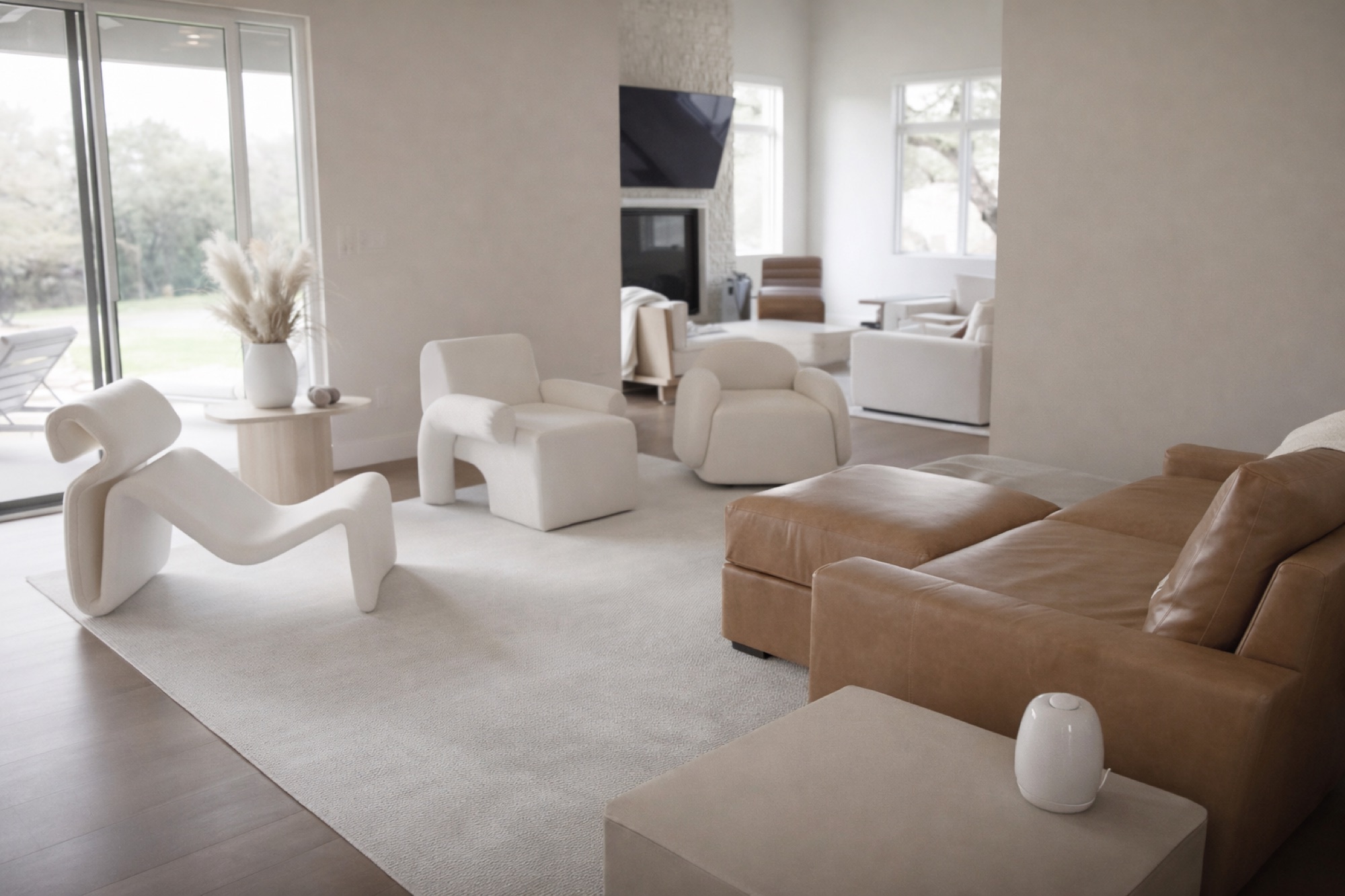
Kayla Barnes-Lenz's Austin Longevity House
A full home 25 minutes outside Austin, designed around measurement and subtraction. Kayla Barnes-Lenz's residence documented room by room — lighting, air, water, sauna, bedroom, and the products that make it work.
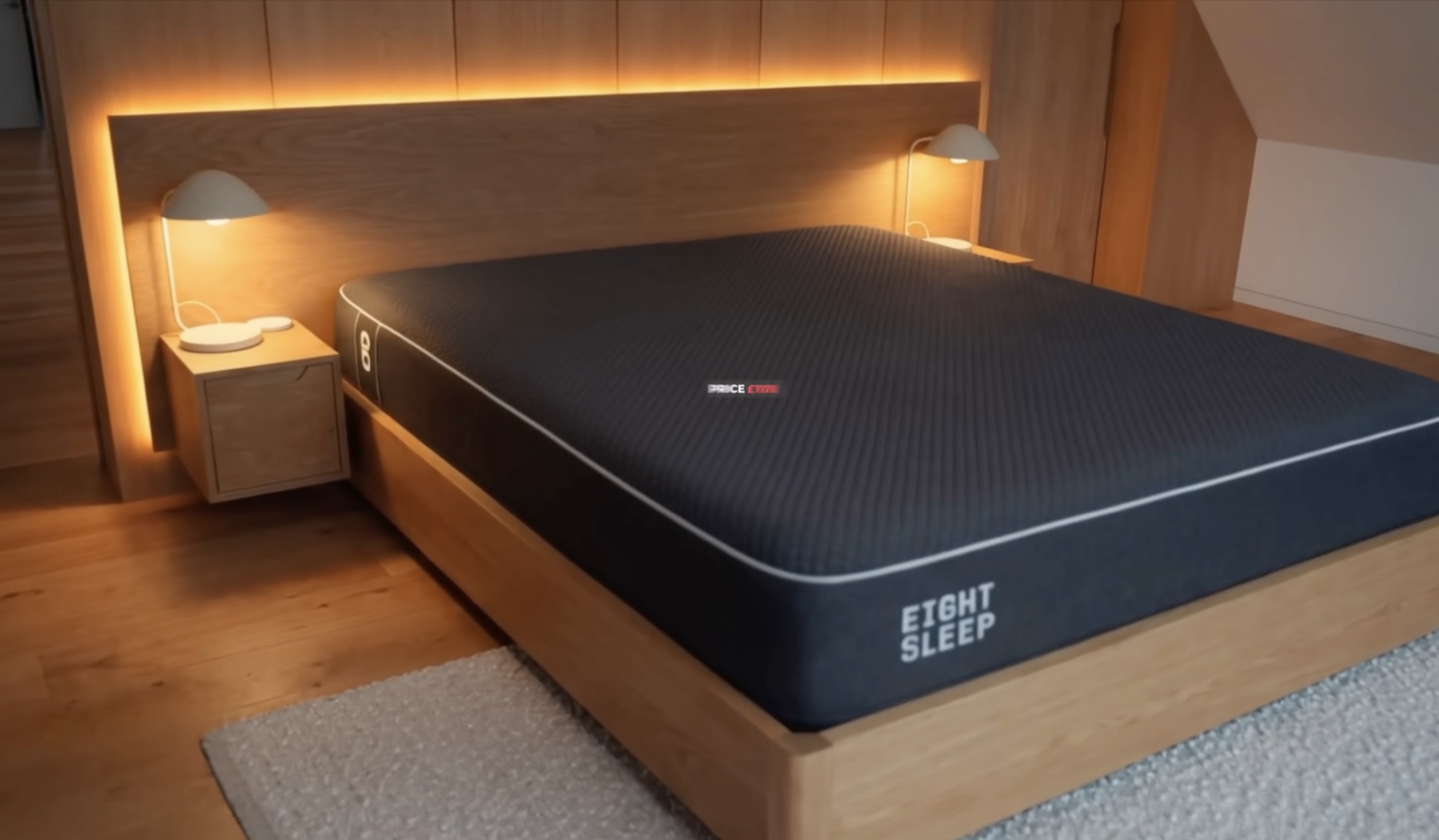
Matt Morsia's Kent Recovery House
A new build on the English coast designed around a single thesis: train hard, recover harder. Matt Morsia's house functions less like a home and more like a personal recovery centre — with the English Channel at the back door.
Directory
Systems & components
A representative slice of the catalog — each group links to the full listing. The bed is one layer; the room around it is the rest.
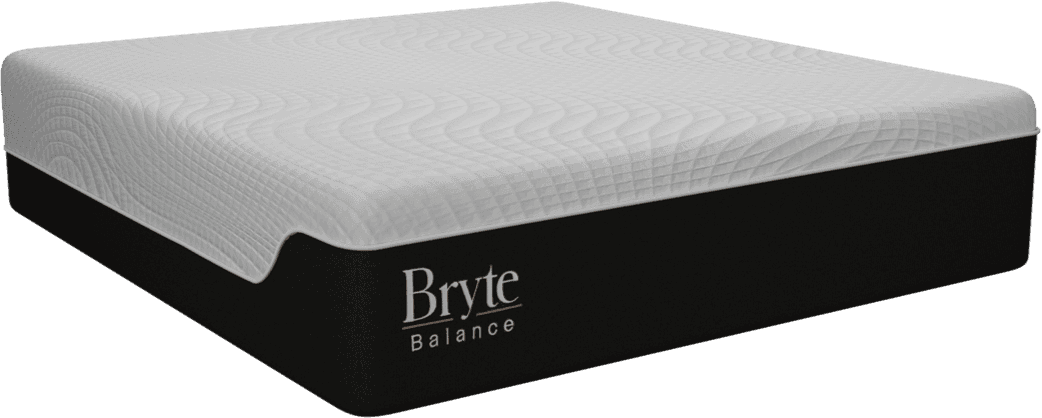
Mattresses & bed climate
Active cooling and heating at the surface where heat transfer actually happens.

Bedding
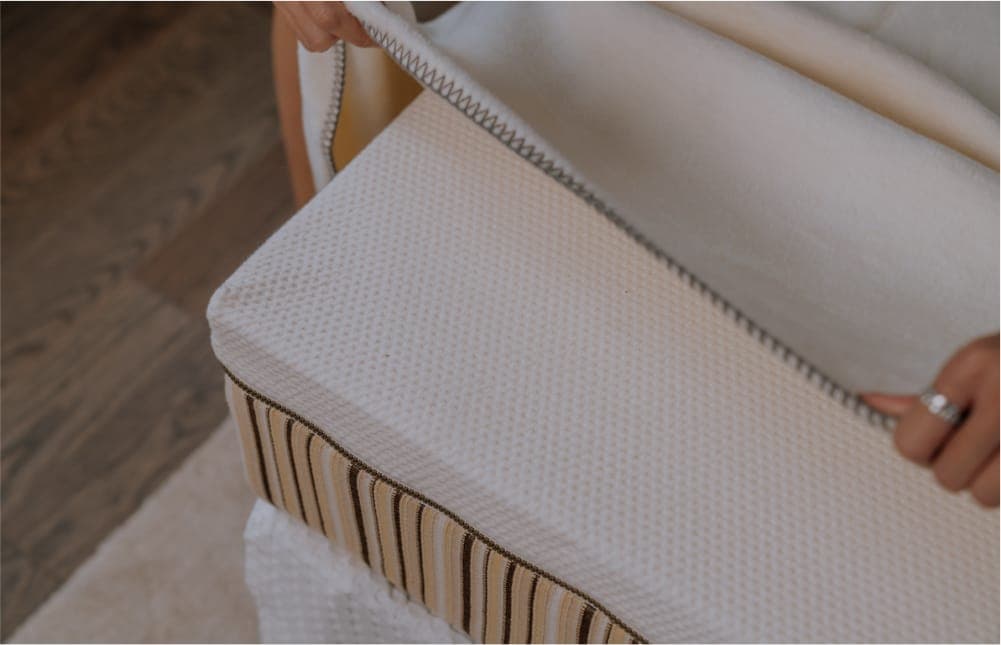
Natural fibers breathe; the weave and weight set how fast the bed sheds heat and moisture.
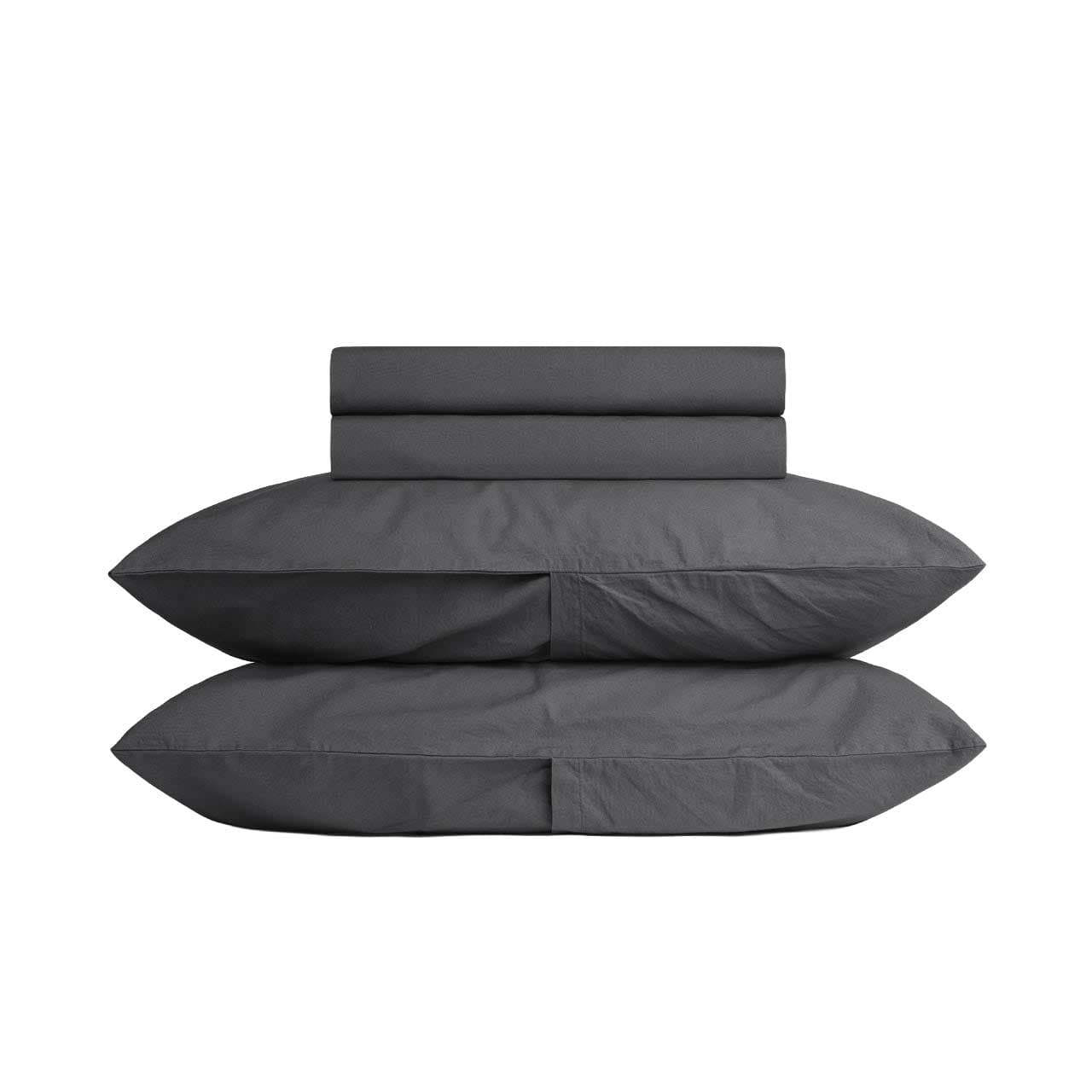
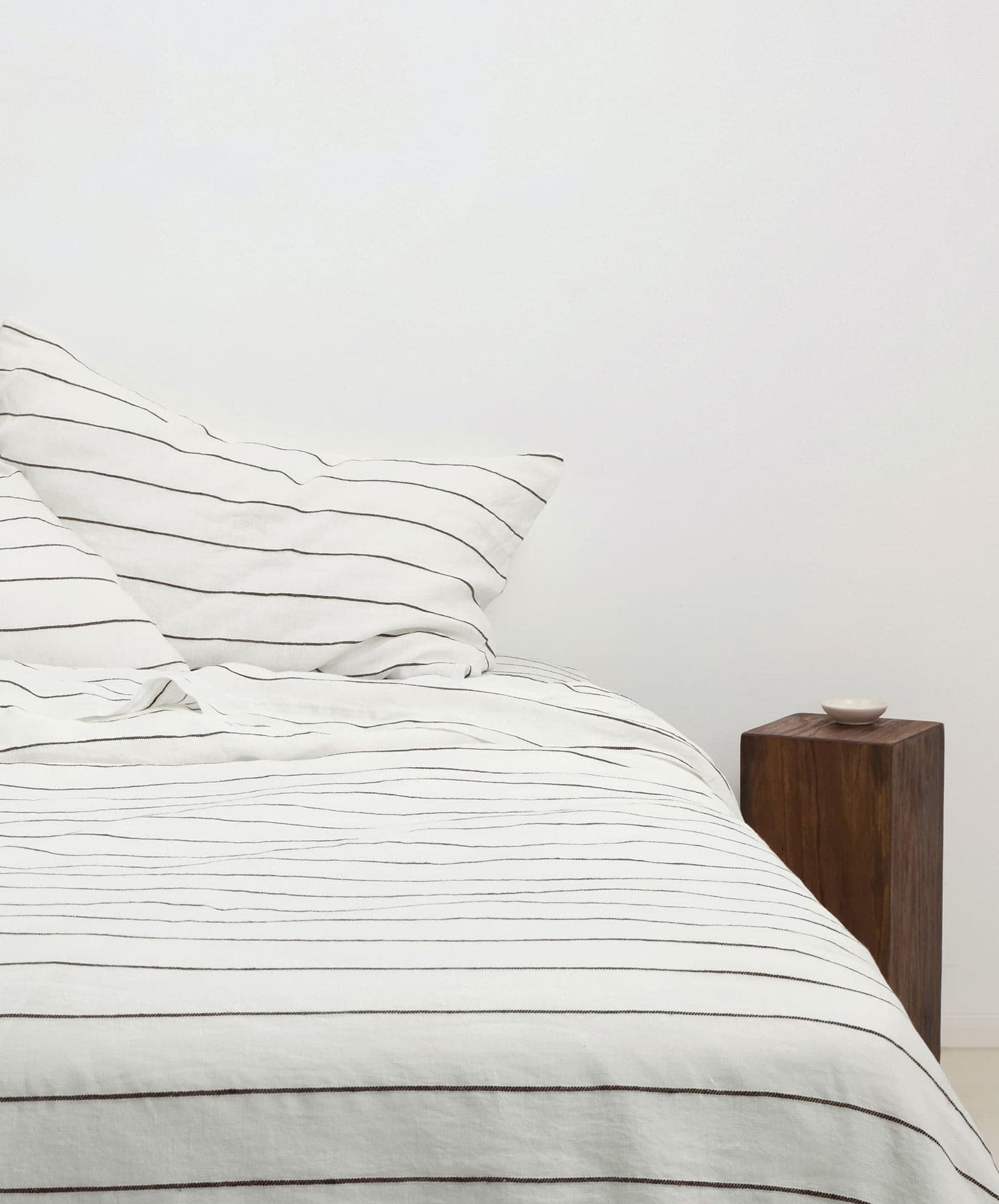
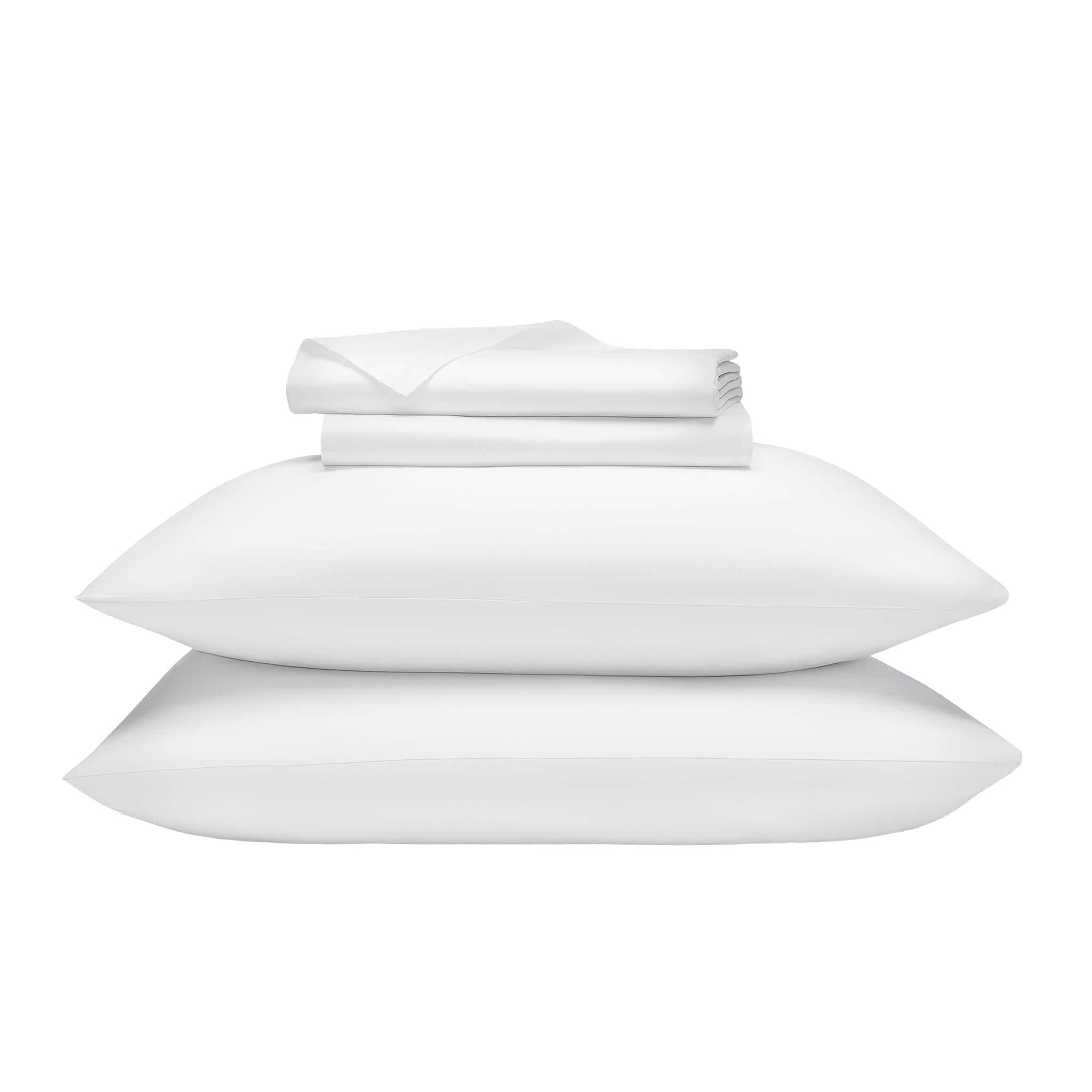
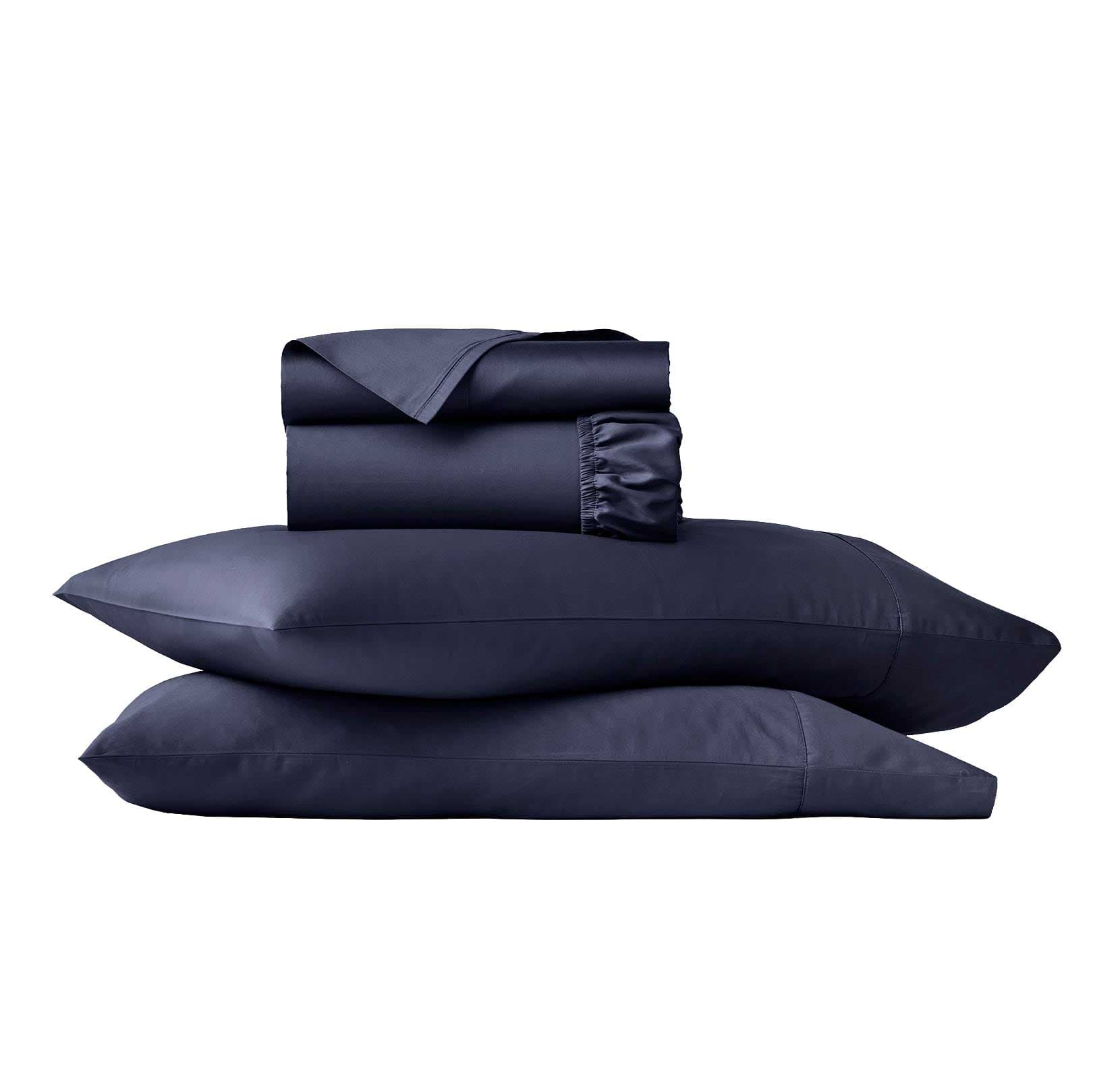
Bedroom environment
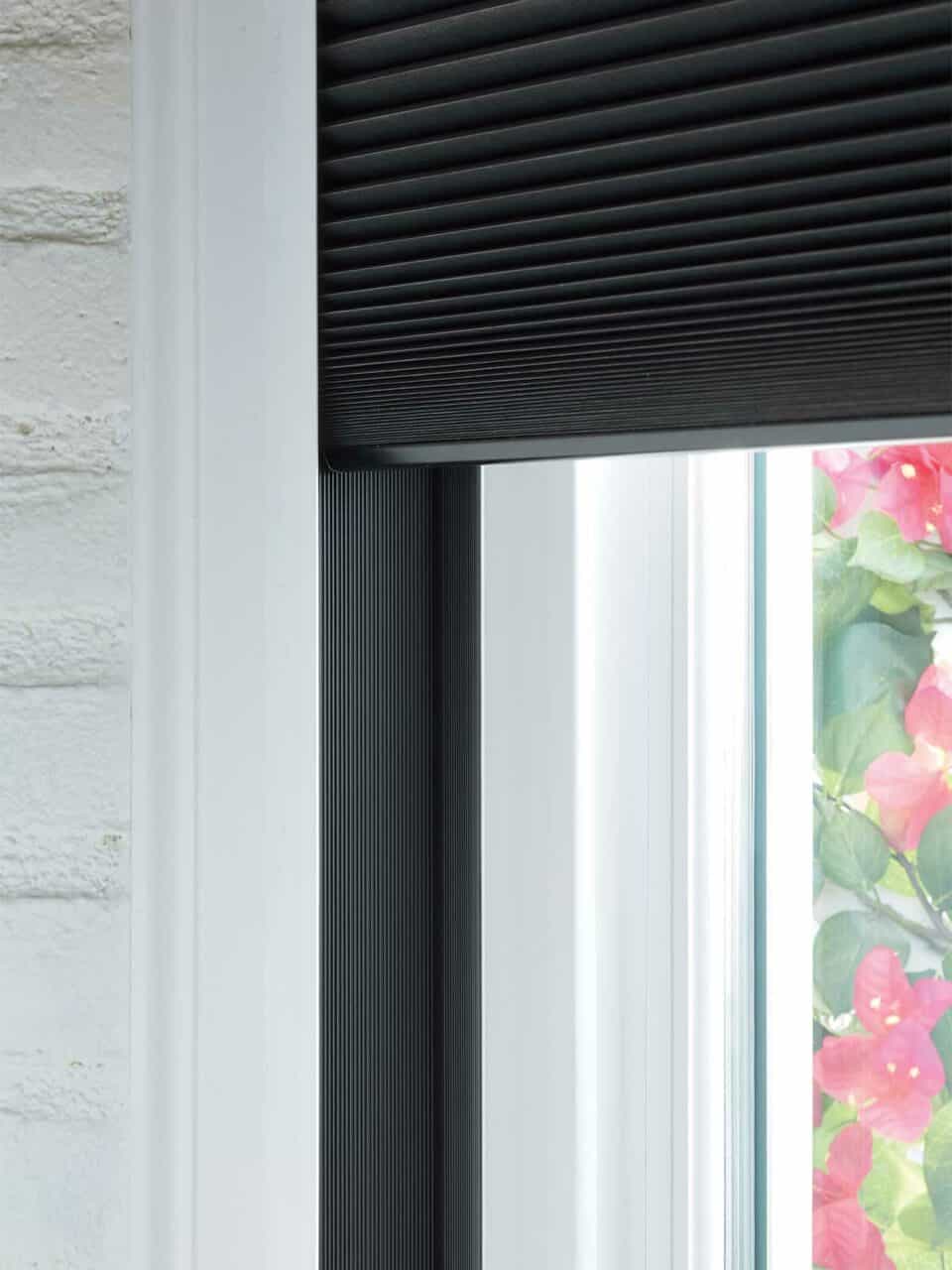
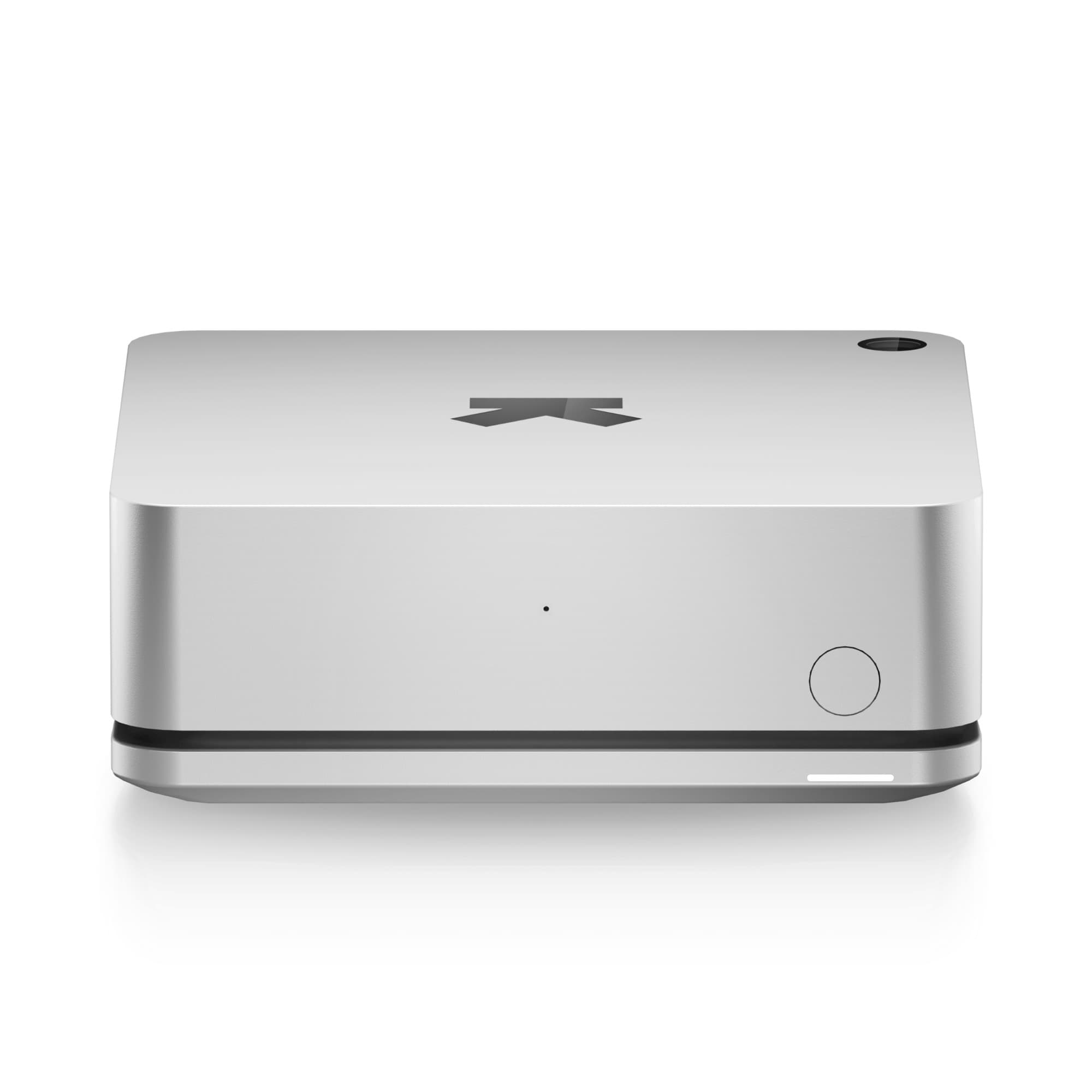
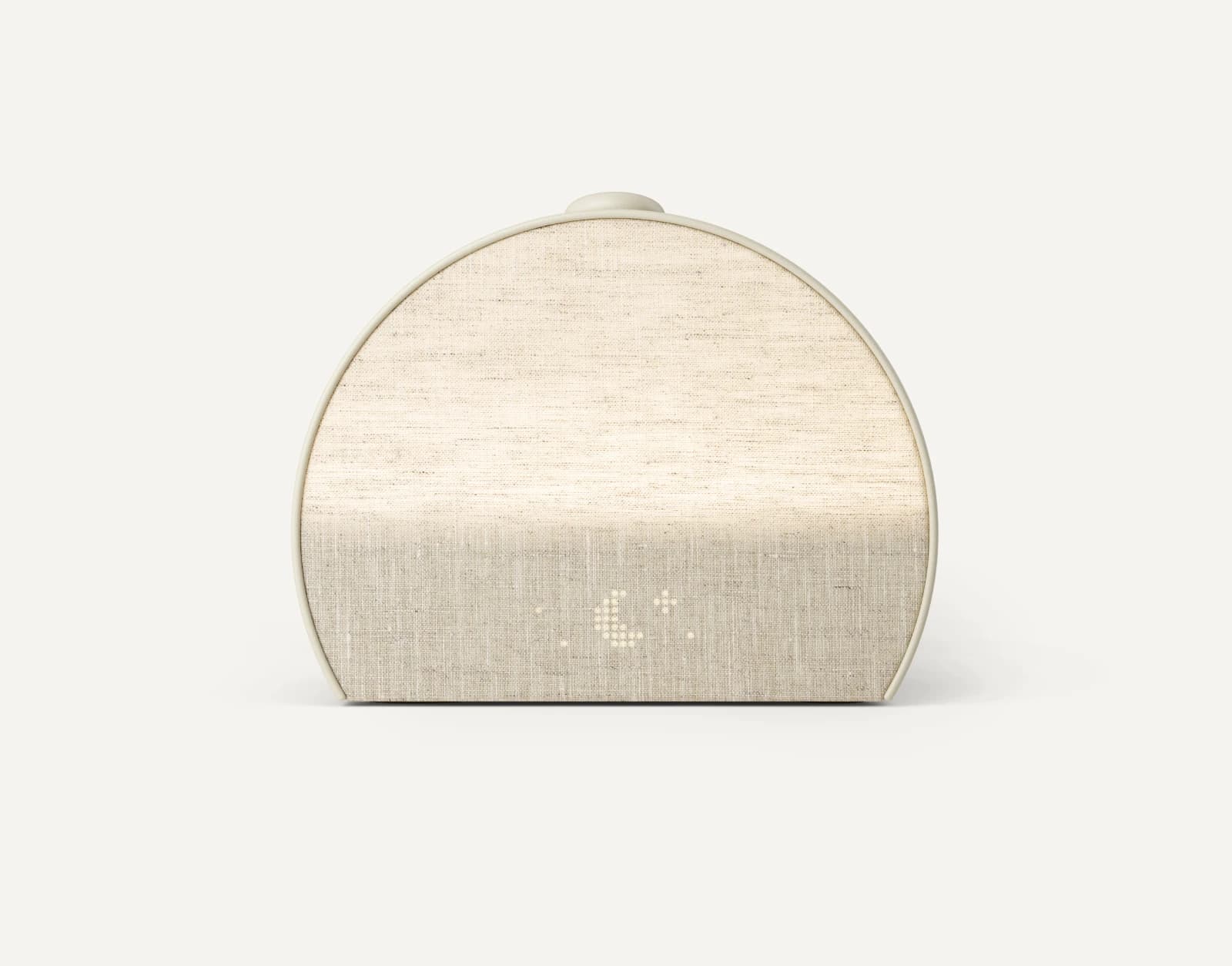
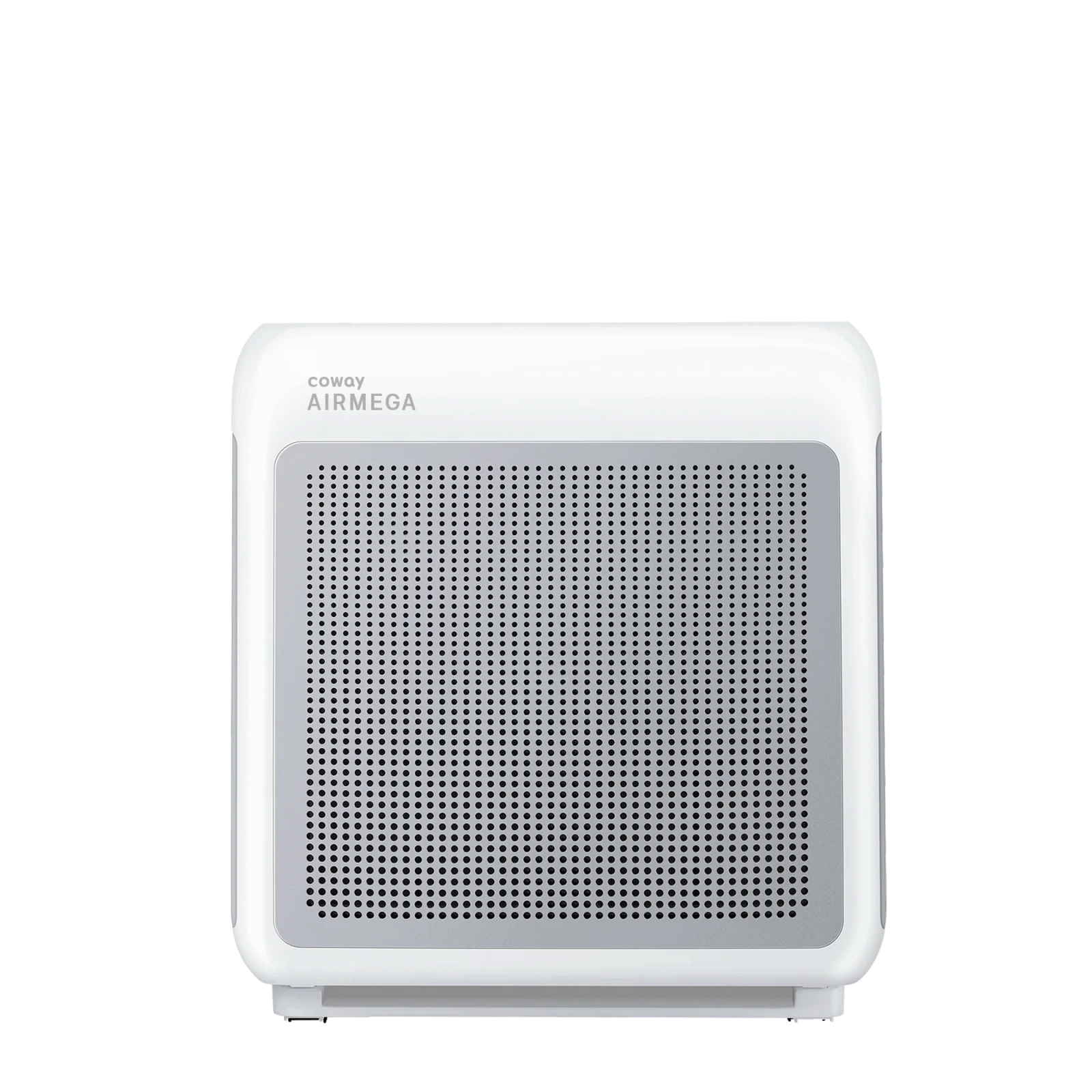
Blackout, air cleaning, light-based waking, and the monitors that keep score.
Measurement
Wearables and bed sensors report trends, not diagnoses. Useful for before-and-after comparisons; not a nightly grade.

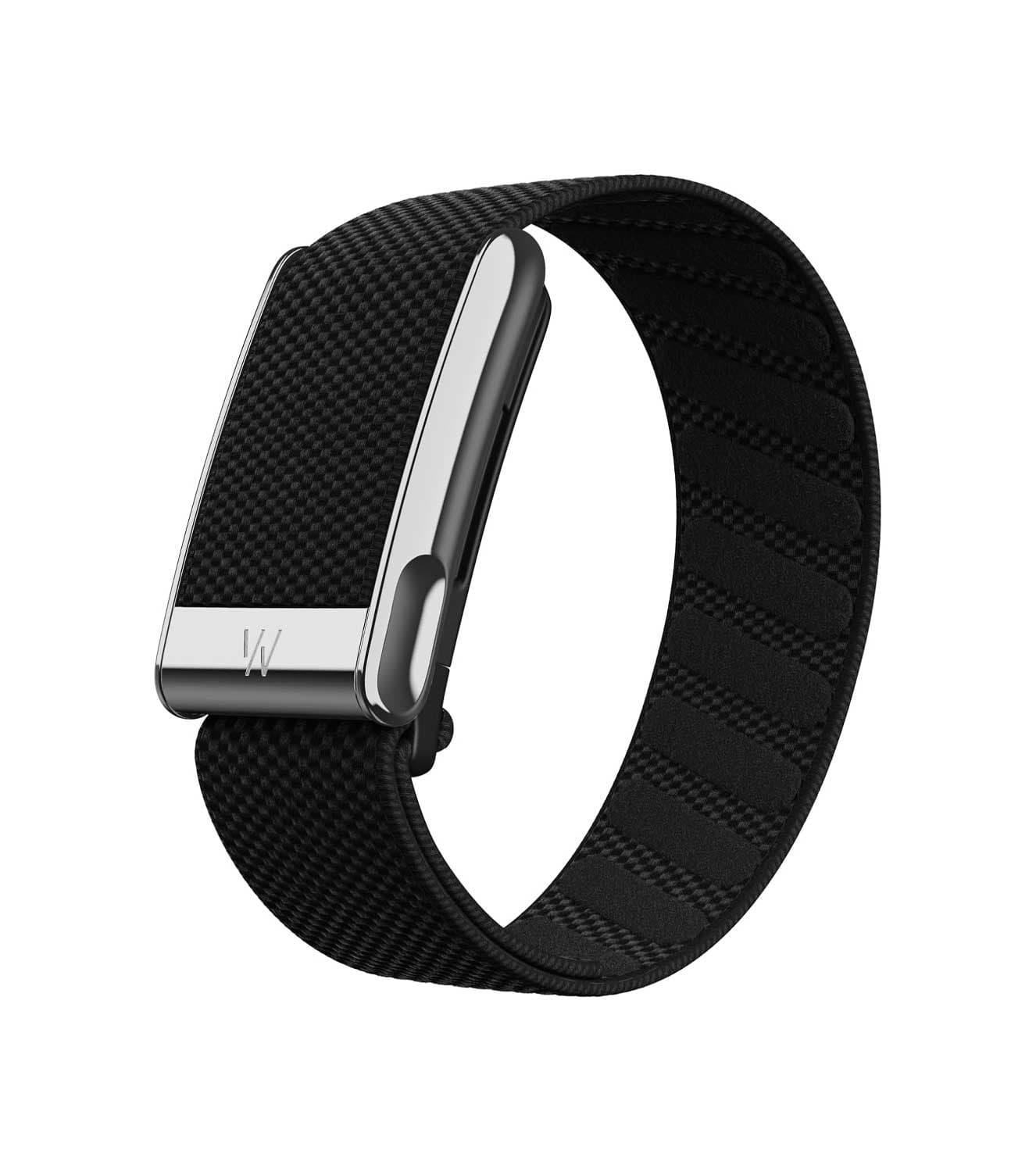

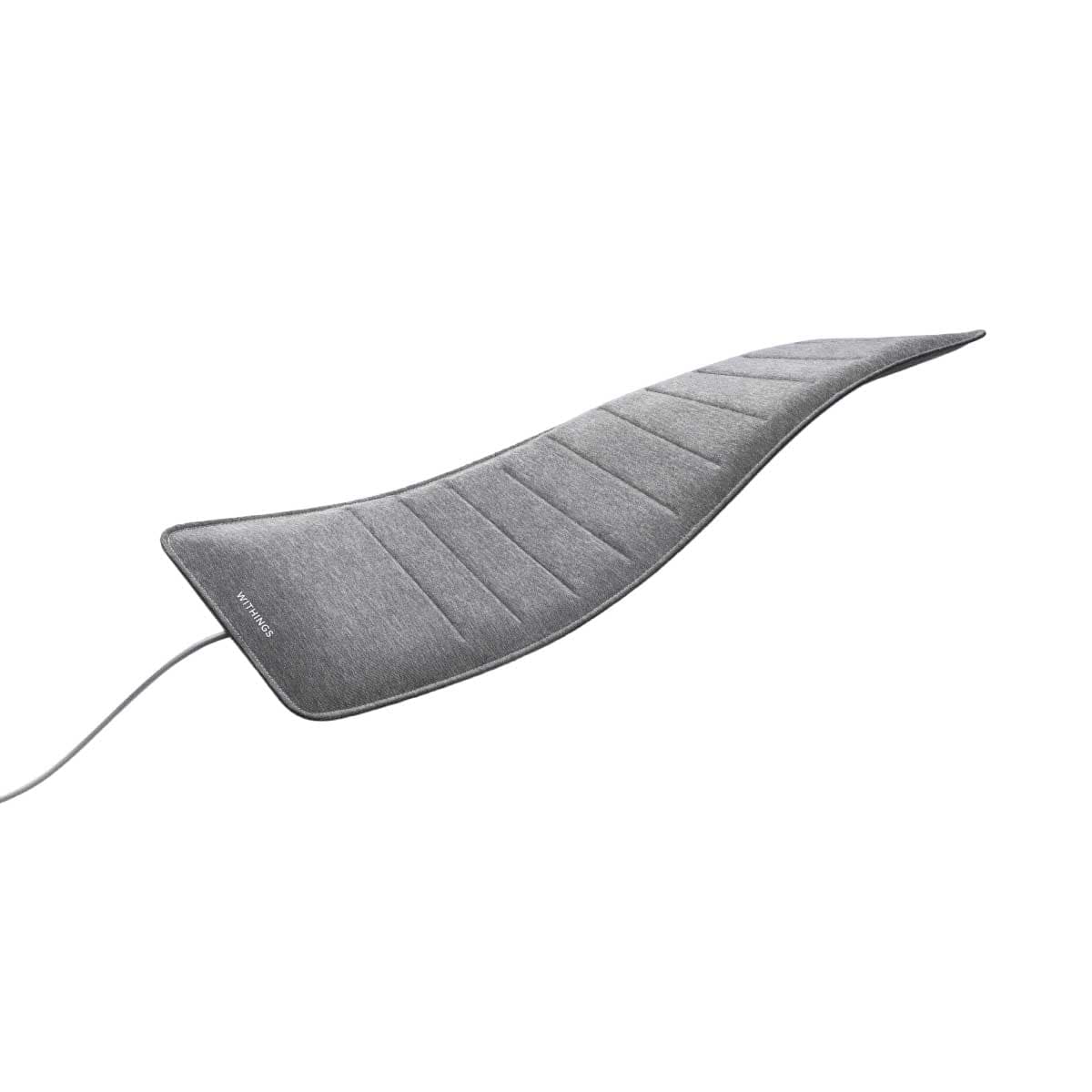
Ventilation and air cleaning live under Air, circadian lighting and motorized shading under Light, and acoustic treatment under Sound. The bedroom borrows from all three.
Operation
Protocols, with the evidence labeled
How the room gets used night to night, and how much confidence the research supports. The label is part of the recommendation.
Sleep Consistency
Same wake time, same bedtime, every day — the cheapest sleep intervention, and the one with consensus behind it.
Morning Light Exposure
Bright light early in the day, used to anchor circadian timing — the foundation the rest of the sleep stack sits on.
Overnight Bedroom Air
Ventilation, filtration, and CO2 in the room where you spend a third of your life — engineering the air you sleep in.
Wind-Down
A fixed pre-sleep sequence that removes light, heat, and stimulation in order, so the end of the day looks the same to your body every night.
Sleep Temperature
Using room climate and bed temperature to support the natural drop in core body temperature that comes with sleep onset.
Evening Light Reduction
Dimming the house on a schedule so the last hours of the day stop reading as noon — the other half of morning light.
Quiet Bedroom
Getting the noise floor of the room you sleep in down to where it stops fragmenting sleep — sources, seals, glazing, then masking.
Evening Sauna Wind-Down
Moderate heat two to three hours before bed, used to deepen the body's natural pre-sleep temperature drop.
Build with it
Materials for the bedroom
Breathable finishes, natural fibers, and acoustic surfaces — from the materials library, with the tradeoffs documented.
Natural Latex
Rubber-tree sap whipped with air and vulcanized into foam via the Dunlop process (denser, firmer) or Talalay (flash-frozen, softer, more consistent). Unlike polyurethane memory foam, it involves no isocyanate chemistry and needs no chemical flame retardants when paired with wool.
Wool Rugs
Floor textiles in the fiber that invented the category: resilient wool that recovers from compression, resists staining via natural lanolin, and buffers room humidity. The material is old news — the scrutiny belongs on dyes, backings, and treatments.
Wool Felt
Wool fibers compressed into dense sheet — no weaving, no backing — used as acoustic panels, wall covering, and furniture surfaces. It absorbs sound the way synthetic acoustic foam does, while being a natural fiber that chars instead of burning.
Acoustic Plaster
A two-part system — mineral-wool or recycled-glass absorptive panels skinned with a microporous plaster finish — that makes an entire ceiling absorb sound while looking like ordinary smooth plaster. NRC ratings run 0.7 to 1.0, panel-level absorption with no visible panels.
Clay Plaster
A wall finish of unfired clays, mineral pigments, and aggregates that cures by drying rather than chemical set — it can be re-wetted and repaired indefinitely. Clay is the strongest humidity buffer of the natural plasters.
Lime Plaster
A wall finish of slaked lime that cures by reabsorbing CO₂ and slowly turning back into limestone. It is vapor-open — walls absorb humidity spikes and release them — and its high-pH surface actively resists mold without biocides.
Cork
Bark stripped from living cork oaks every nine years without felling the tree — one of the few genuinely renewable building materials. Its sealed-air-pocket cell structure makes it warm, slightly sprung underfoot, and an excellent impact-sound absorber.
Electrochromic Glass
Glazing with a ceramic metal-oxide coating that tints electrically on demand — from clear to deep shade — controlling glare and solar gain without blinds or shades. Tint states are programmable by schedule, sun position, or sensor.
Vocabulary
Terms the room is built on
The measurements and mechanisms behind the guide, defined in the glossary.
Reading
Sleep on the site
The Compound Sleep Guide
The flagship resource — temperature, air, humidity, light, sound, the bed itself, and controls, treated as the building systems they are.
5 Invisible Ways Your Home Shapes Your Health
Five things your home is doing to your body and brain right now — and the inputs worth fixing first.