
Recovery
The heat, cold, light, water, ventilation, and control systems behind recovery at home.
Plan the Room
Six domains before the first delivery
Heat, water, and humidity make this the most demanding room in the house to build correctly. Each domain anchors into the flagship guide.
Heat: Sauna & Steam
Traditional, infrared, and steam are different machines with different loads. Where the heat goes when the session ends is the part that gets skipped.
Cold: Plunges & Chillers
A chilled, recirculating tub is a small water-treatment system with a compressor attached — plus a drainage and condensation problem.
Light & Mechanical Modalities
Red and near-infrared panels, compression, massage, and mobility. Low-infrastructure equipment, uneven evidence.
Ventilation & Moisture
Every modality in the room adds water vapor. Exhaust, dehumidification, and dew-point control are what keep the assembly dry.
Water, Drainage & Power
Waterproofing, floor drains and trap primers, water treatment, GFCI protection, and the circuits a heater and chiller actually need.
Evidence, Safety & Claims
What the research supports, how strongly, in whom — and the contraindications the marketing leaves out.
In the wild
Documented builds
Recovery rooms in the directory, documented product by product — a purpose-built recovery house on the English coast, and a backyard sauna and plunge in Austin.
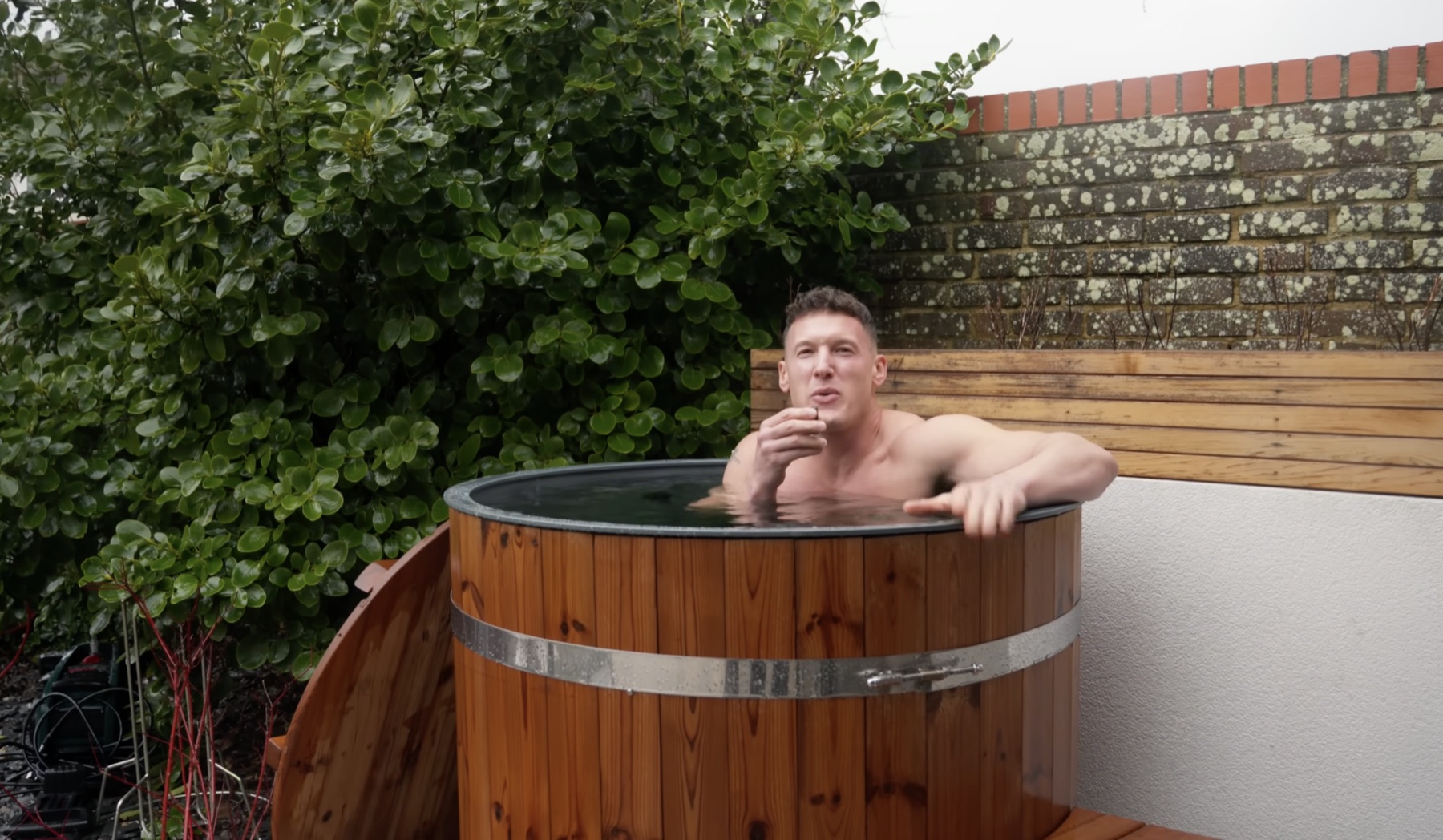
Matt Morsia's Kent Recovery House
A new build on the English coast designed around a single thesis: train hard, recover harder. Matt Morsia's house functions less like a home and more like a personal recovery centre — with the English Channel at the back door.
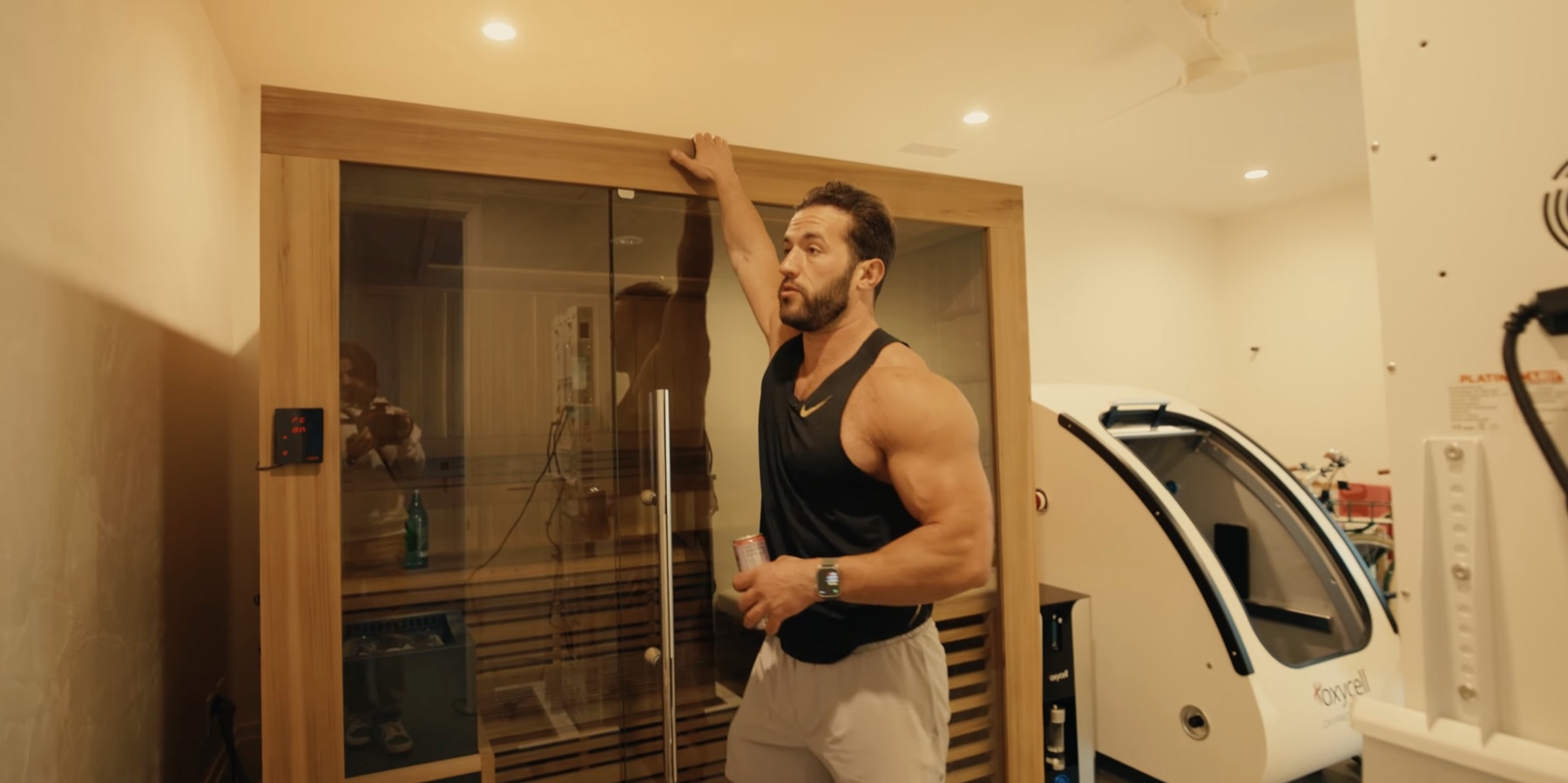
Greg LaVecchia's Custom Gym and Training Property in Austin
A custom green-and-leather home gym from the founder of Bloom Nutrition, backed by a wood-burning backyard sauna, a cold plunge, a recovery room with red light and hyperbaric oxygen, and three central Austin lots stitched into a private park.
Directory
Systems & components
A representative slice of the catalog, grouped by what the equipment demands of the room. Each row links to the full listing.
Heat
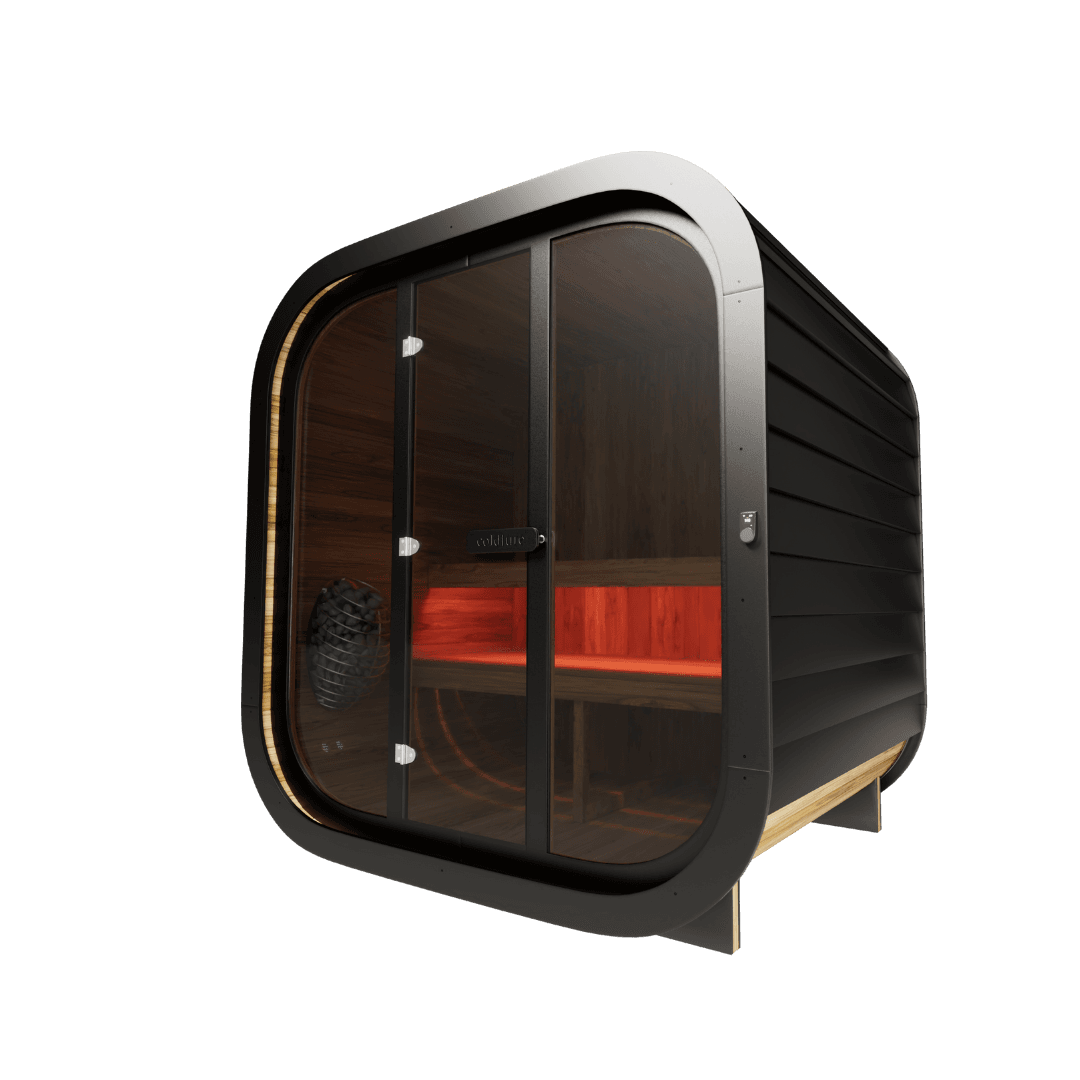
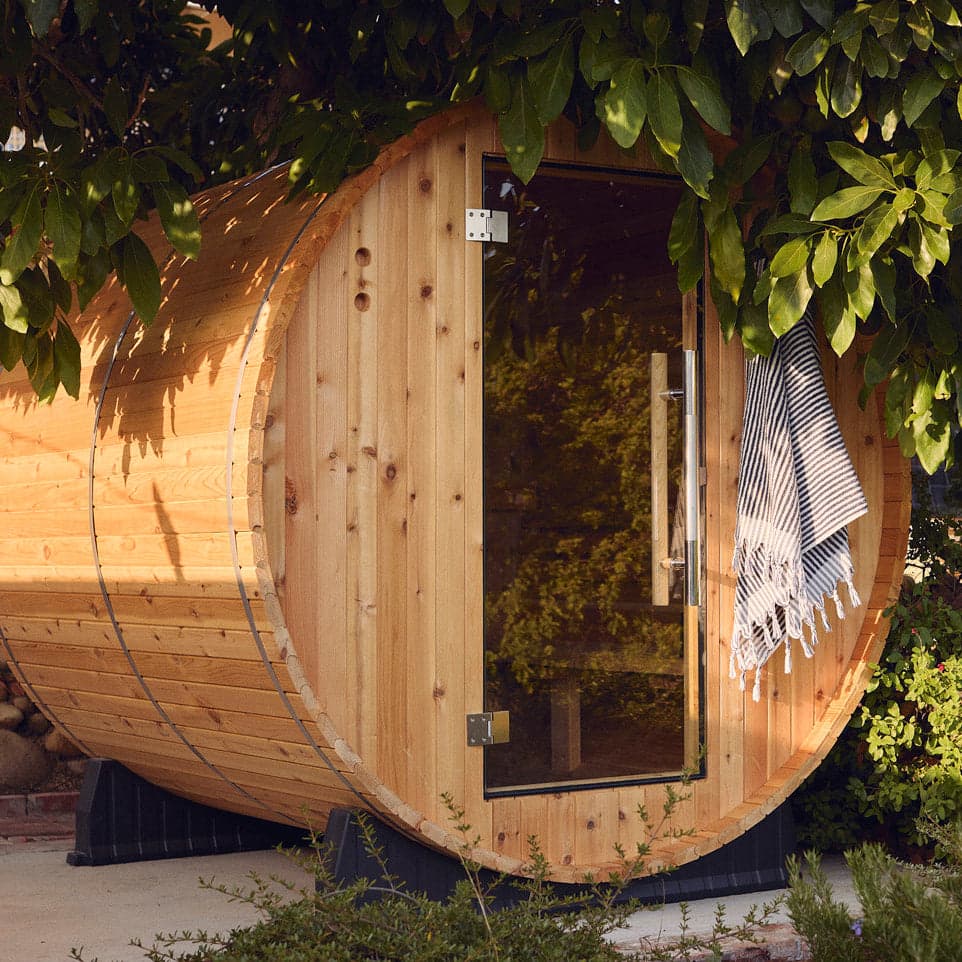
Sauna type sets the electrical load, the ventilation strategy, and the interior material palette.
Indoor saunas
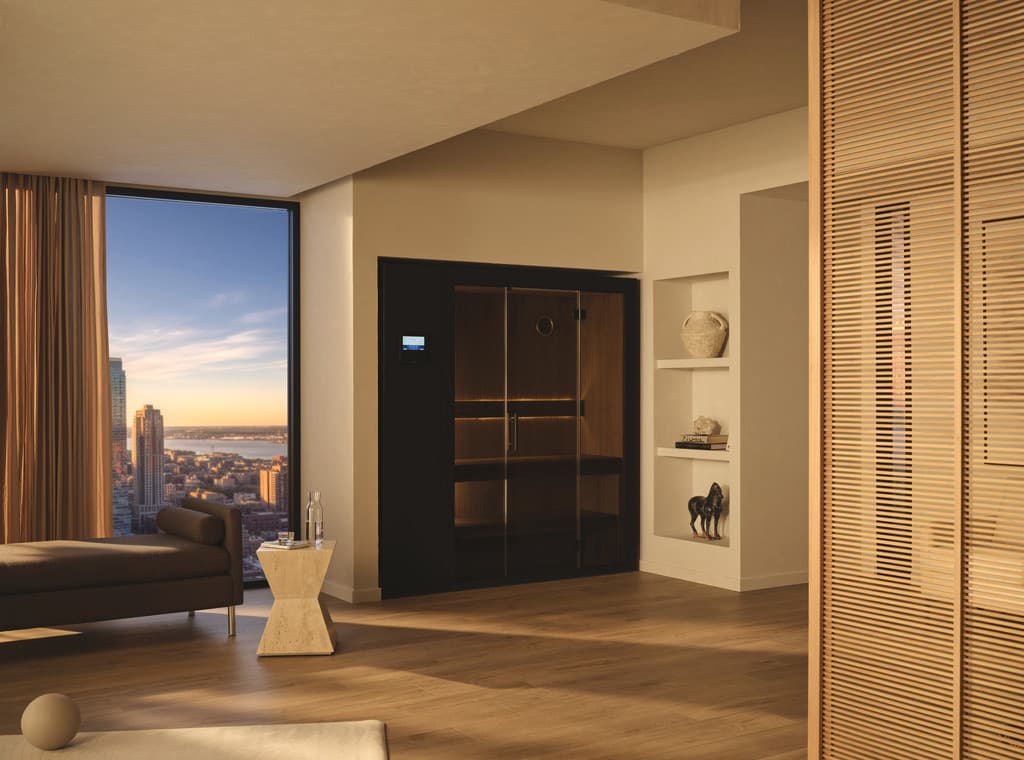
S1
KLAFS
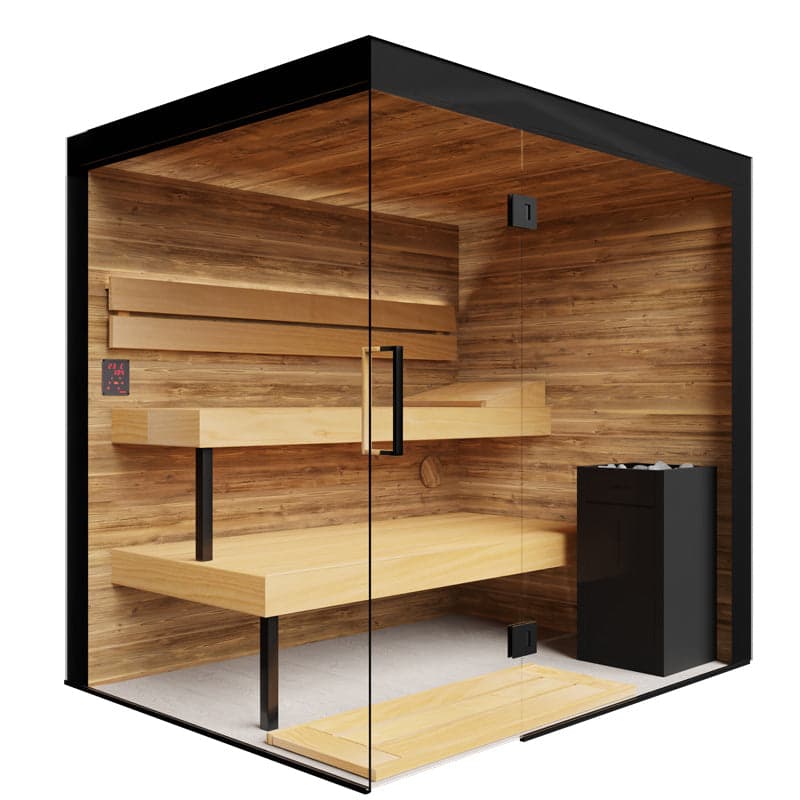
Lumaria
Thermasol
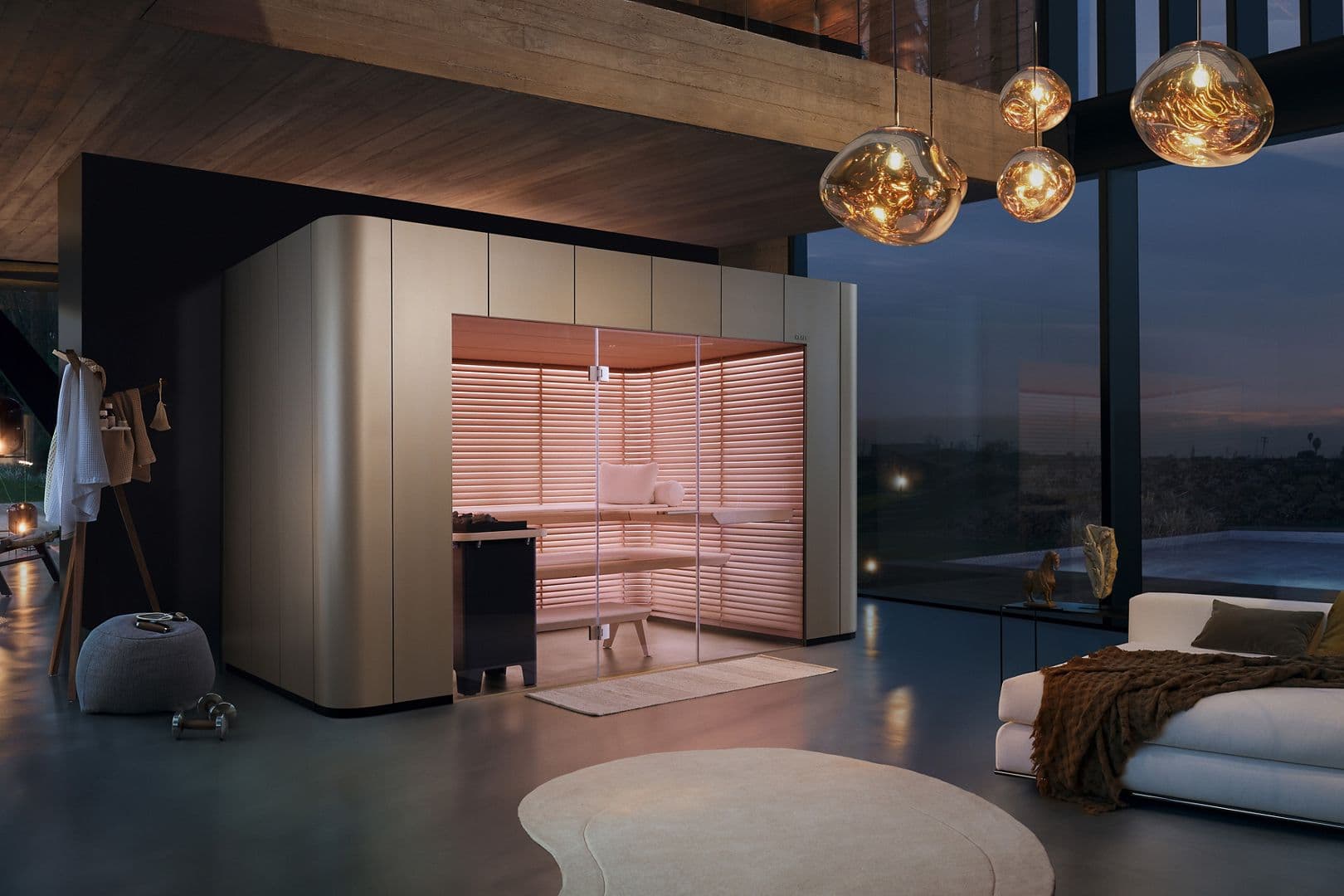
S11
KLAFS
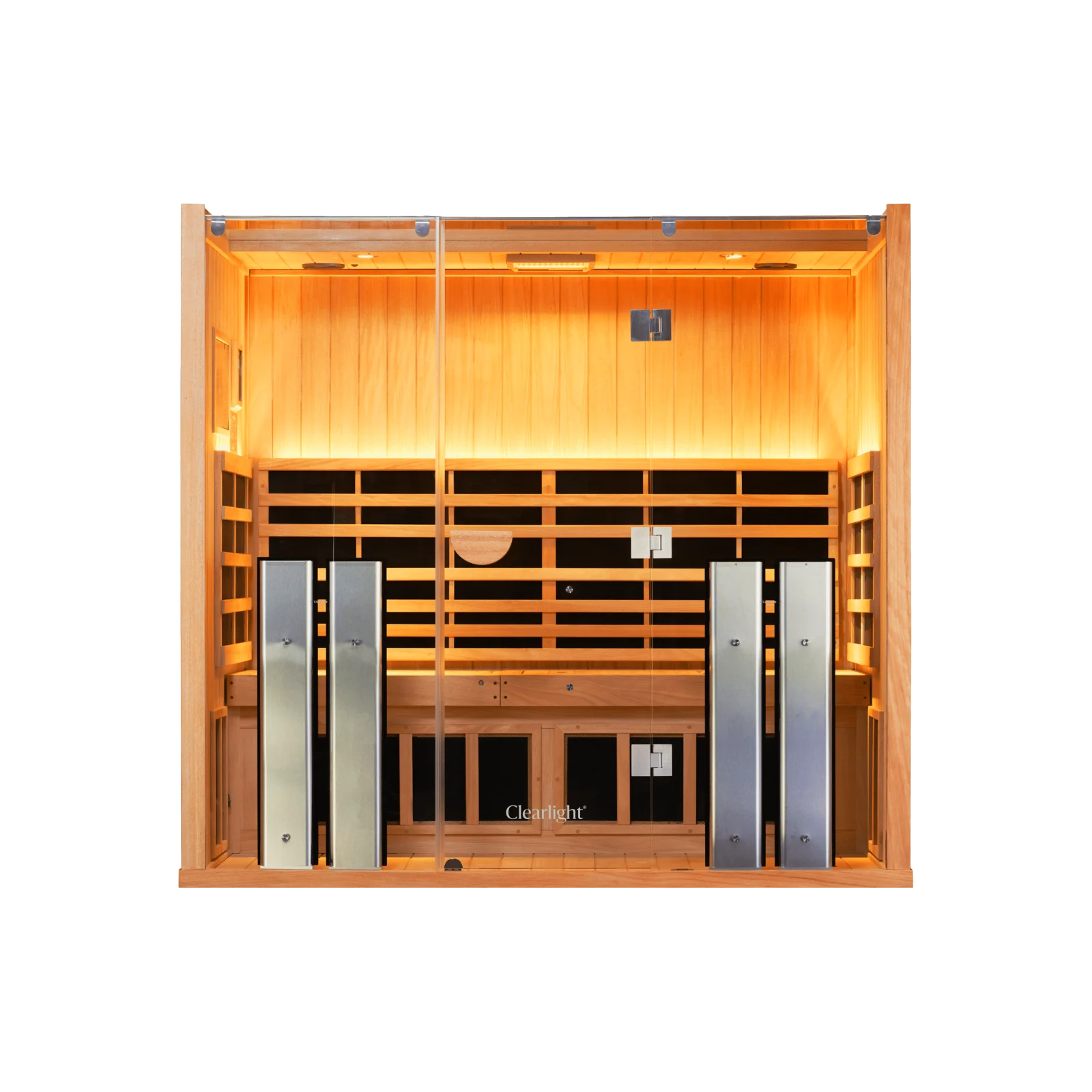
Clearlight Sanctuary 5
Clearlight
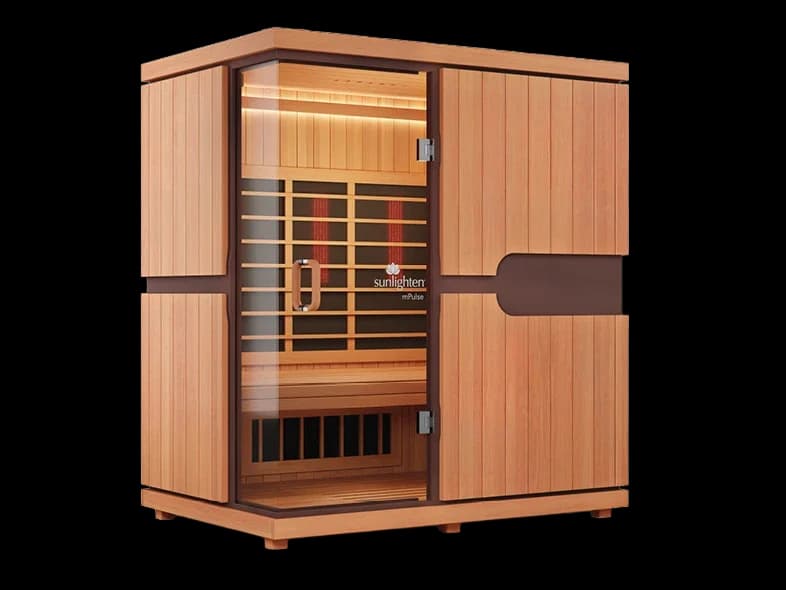
mPulse Conquer
Sunlighten
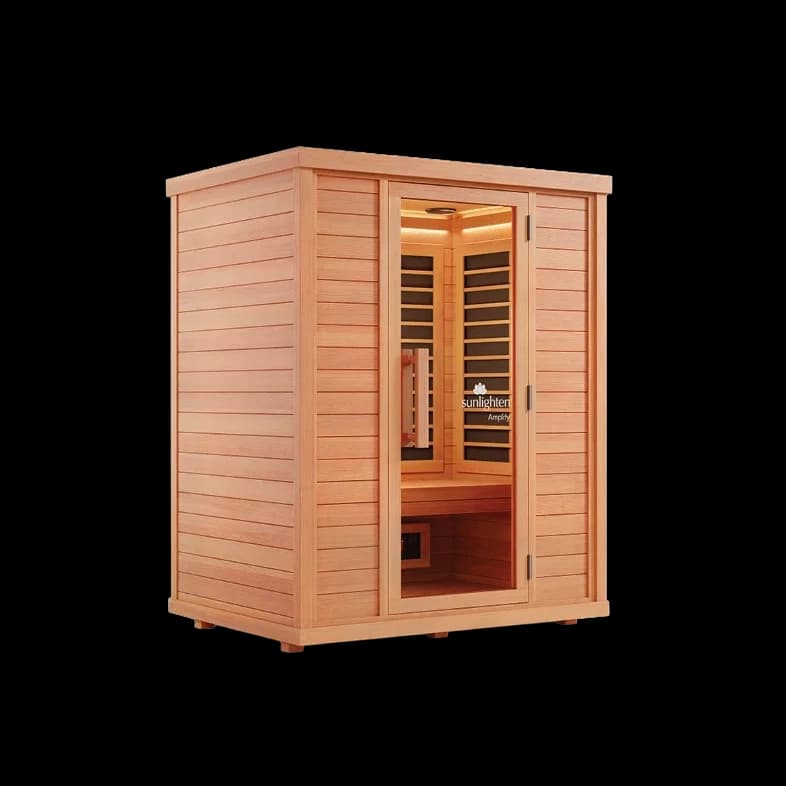
Amplify III
Sunlighten
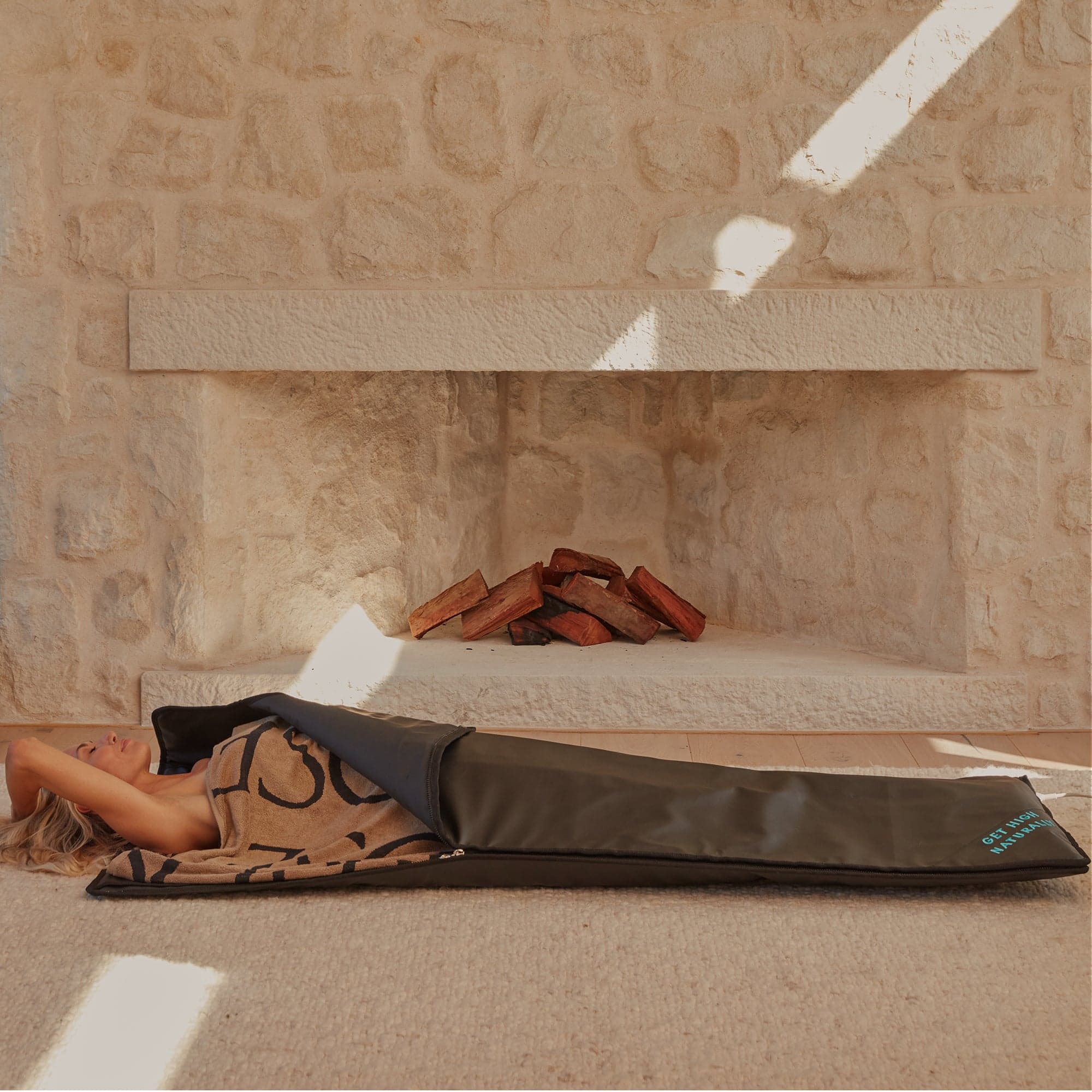
HigherDOSE Infrared Sauna Blanket
HigherDOSE
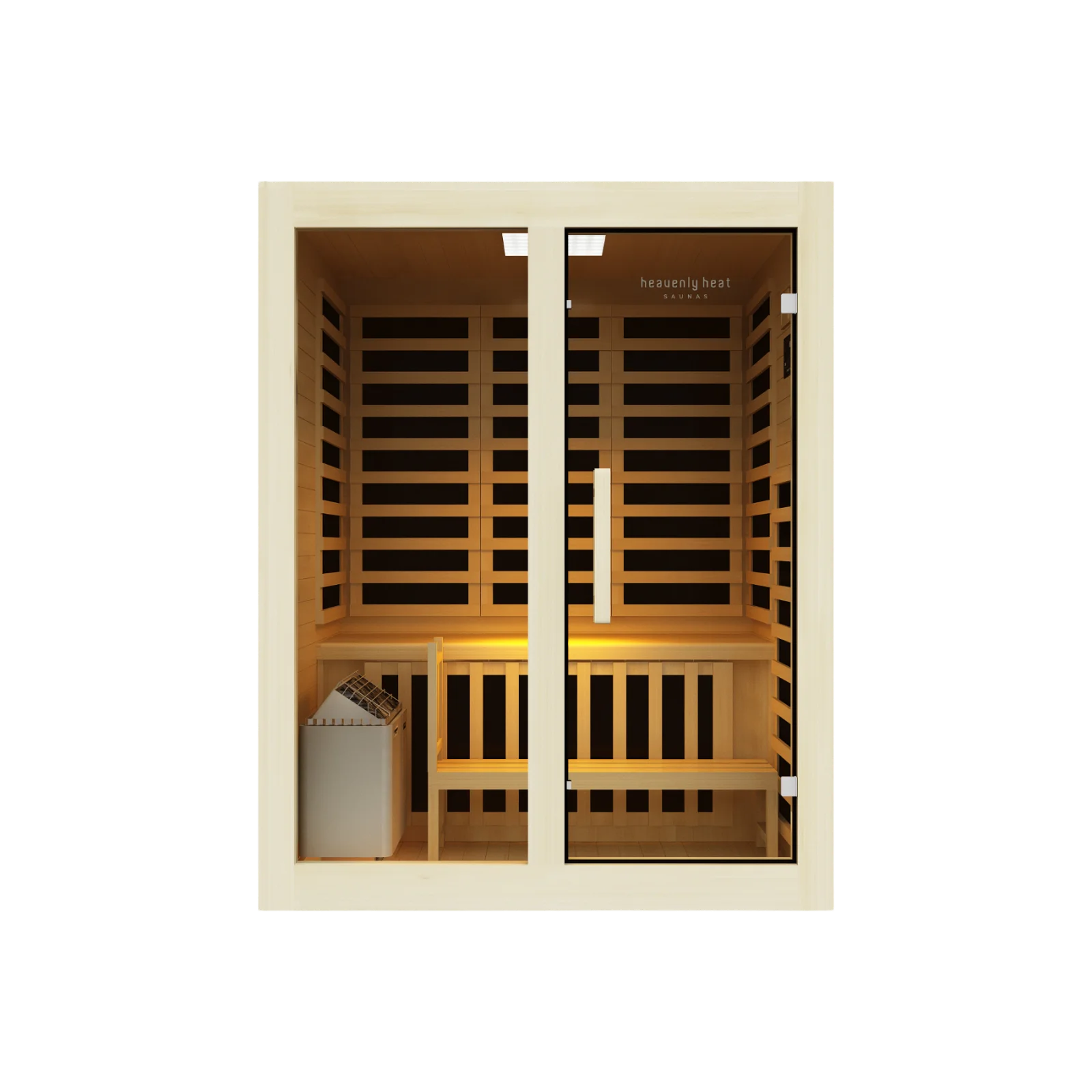
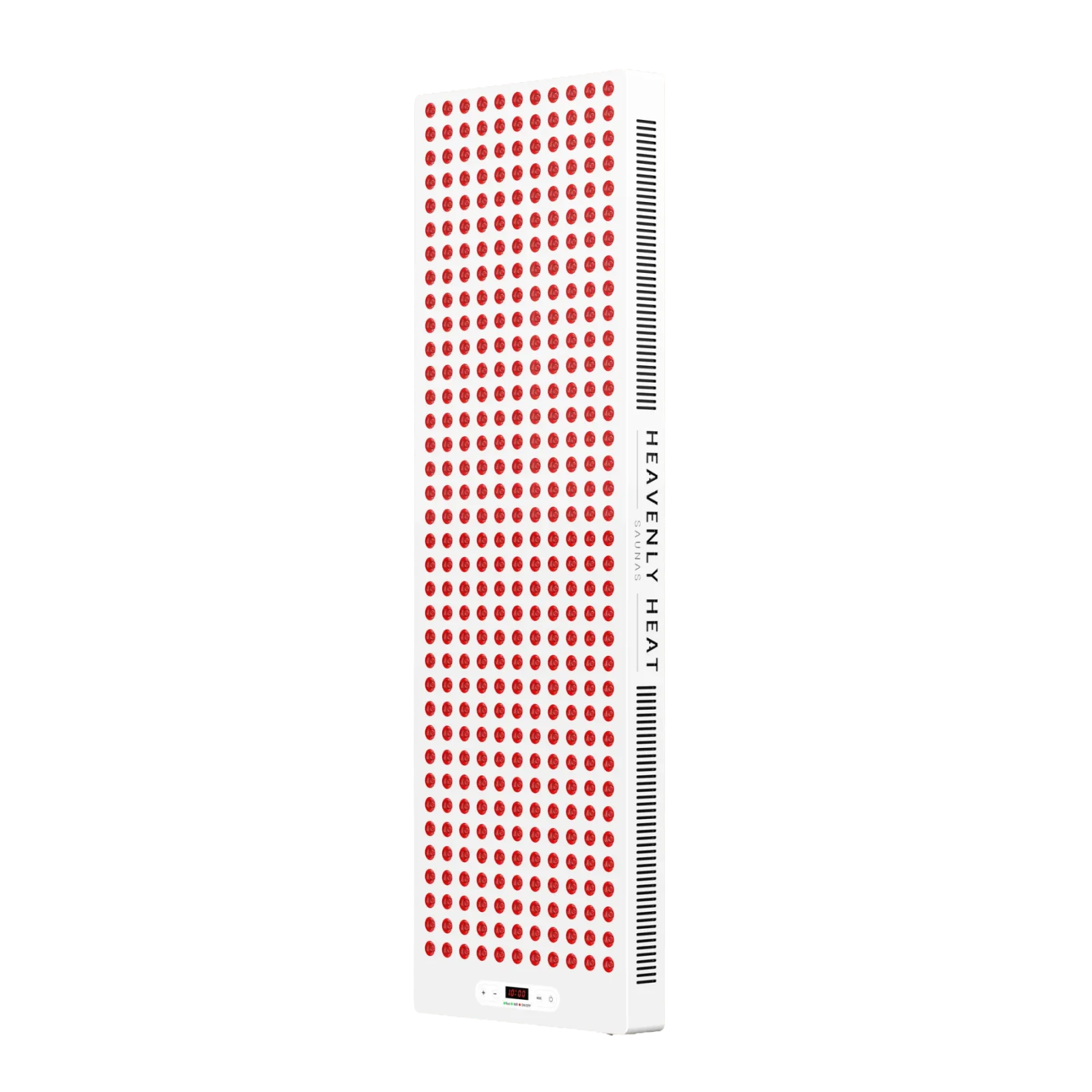
Heavenly Heat Classic Hemlock Sauna
Heavenly Heat Saunas
Cold
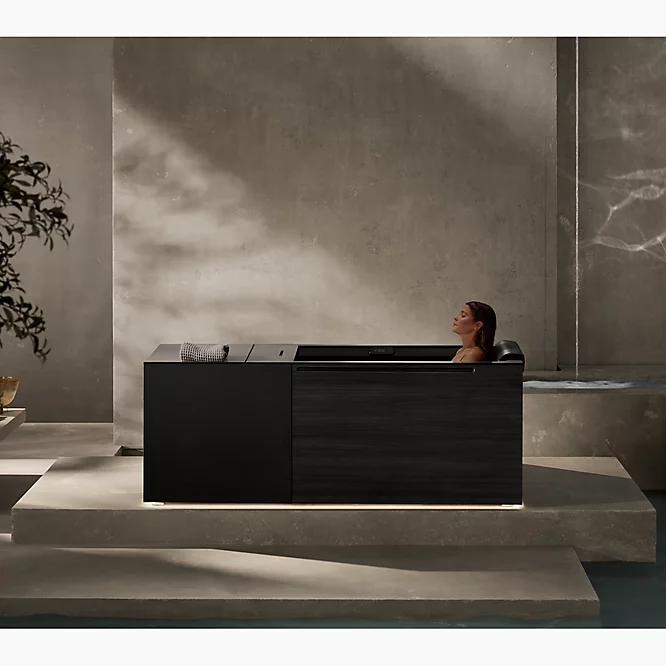
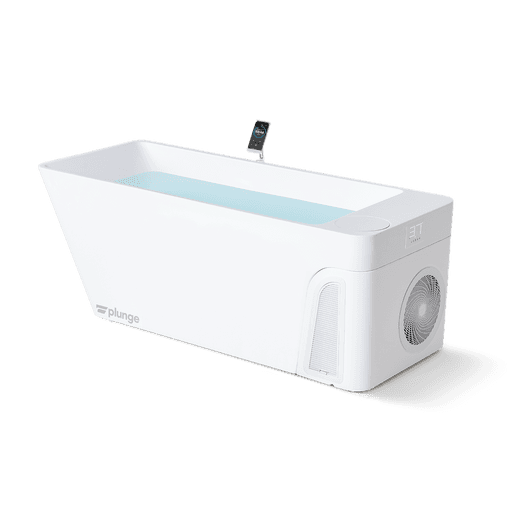
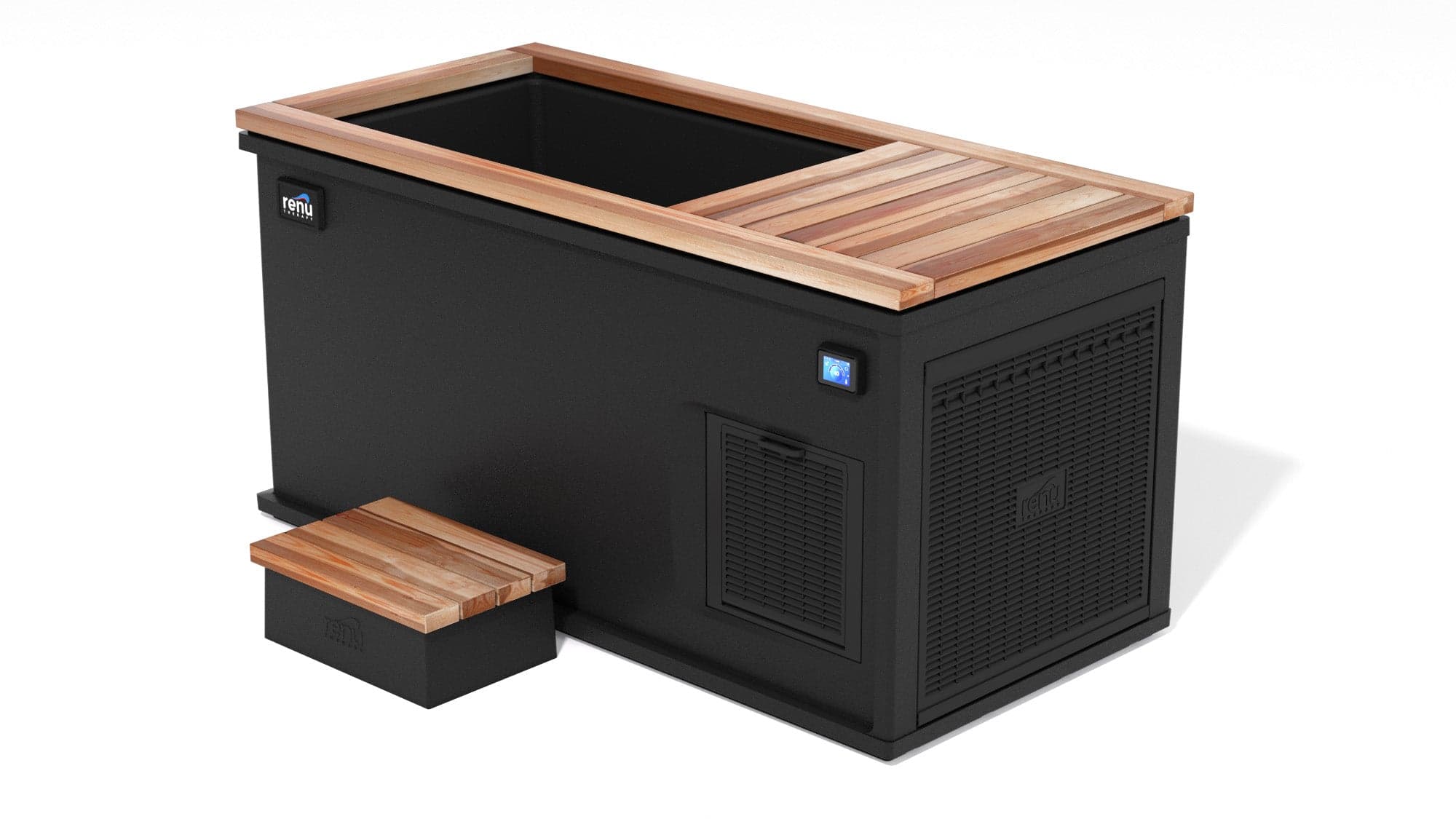
Filtration, sanitation, and chiller capacity separate a plumbed installation from a tub you refill by hand.
Light & mechanical
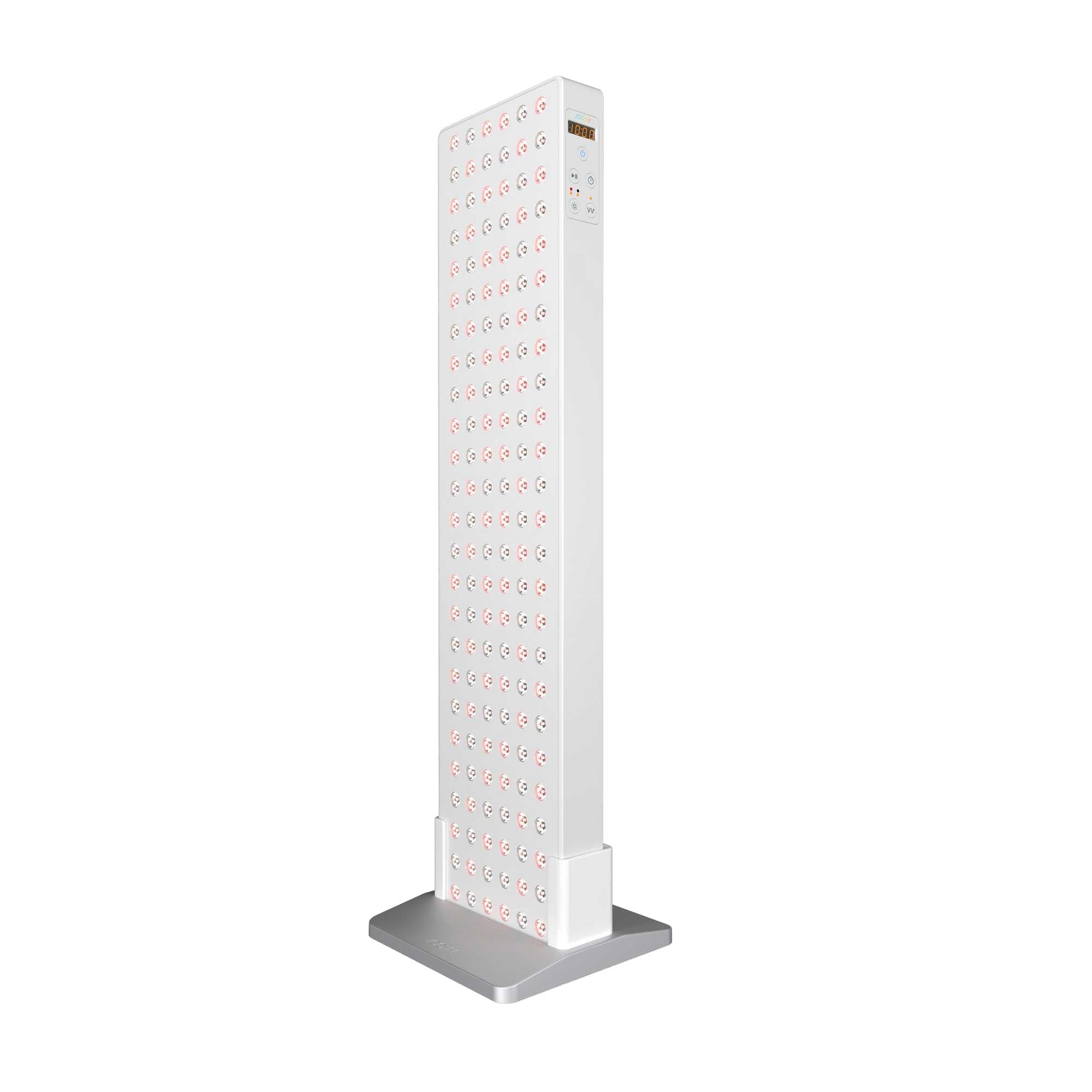
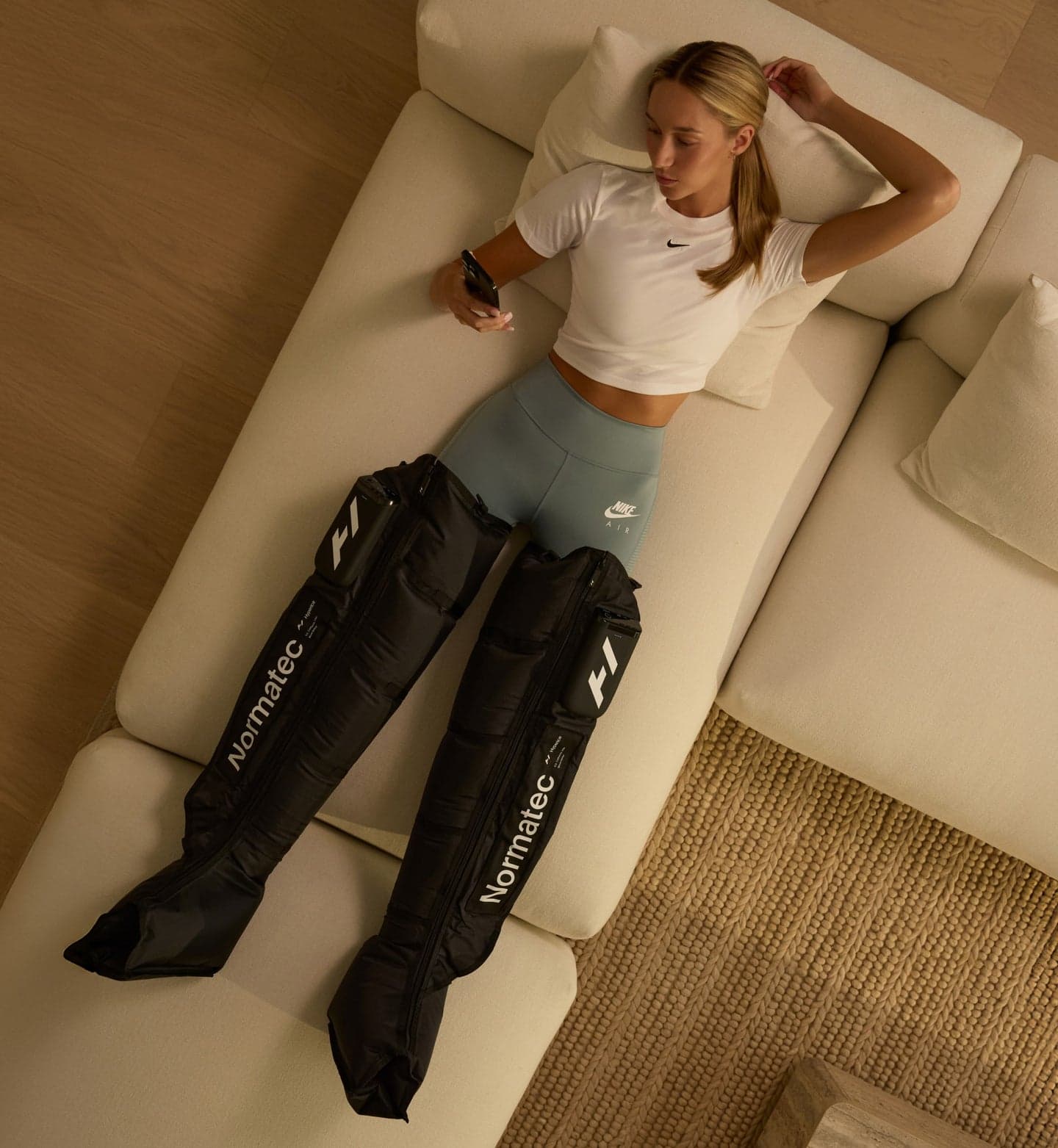
The plug-in half of the room. Nothing here needs a drain, and the evidence varies more than the pricing suggests.

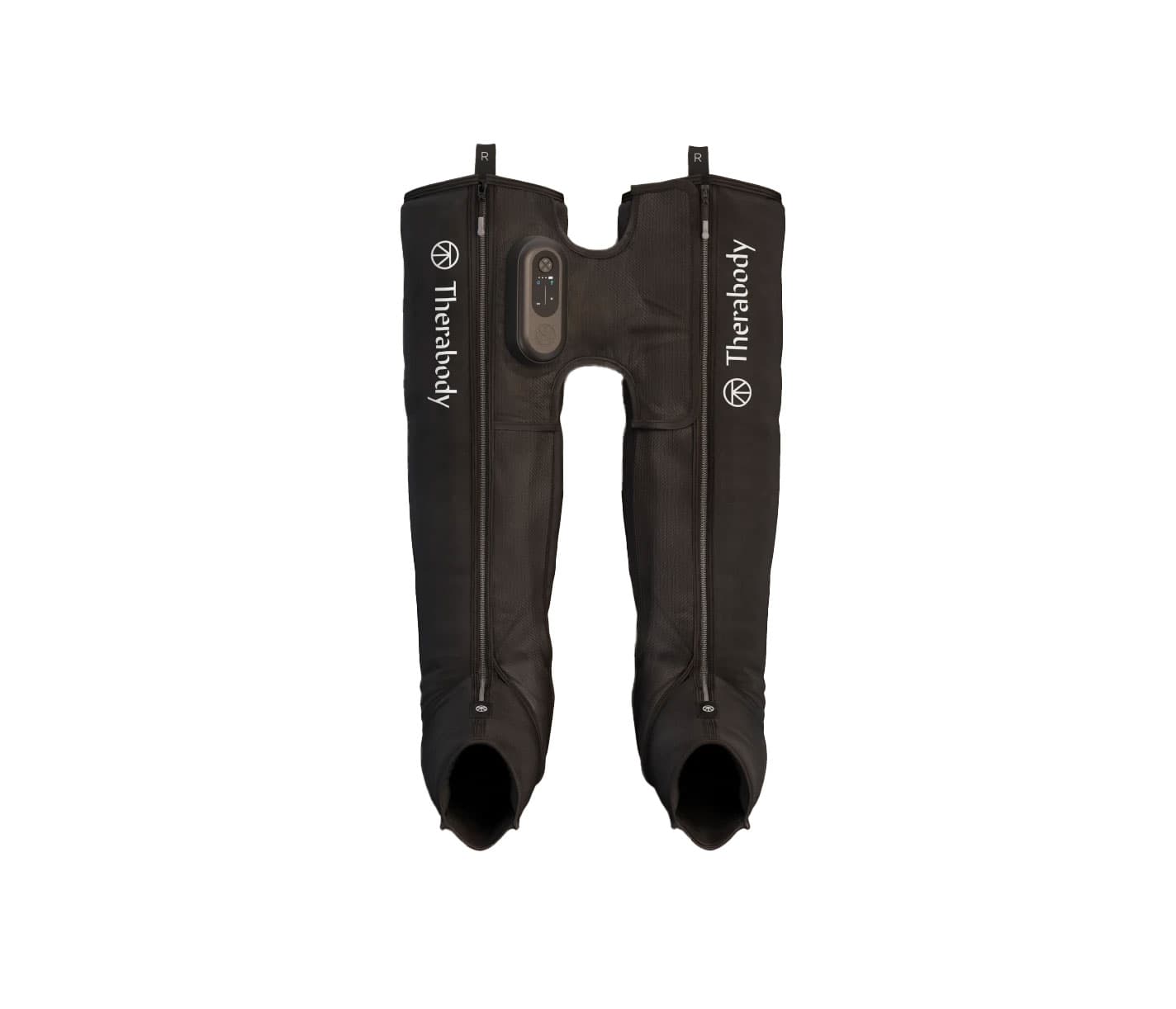
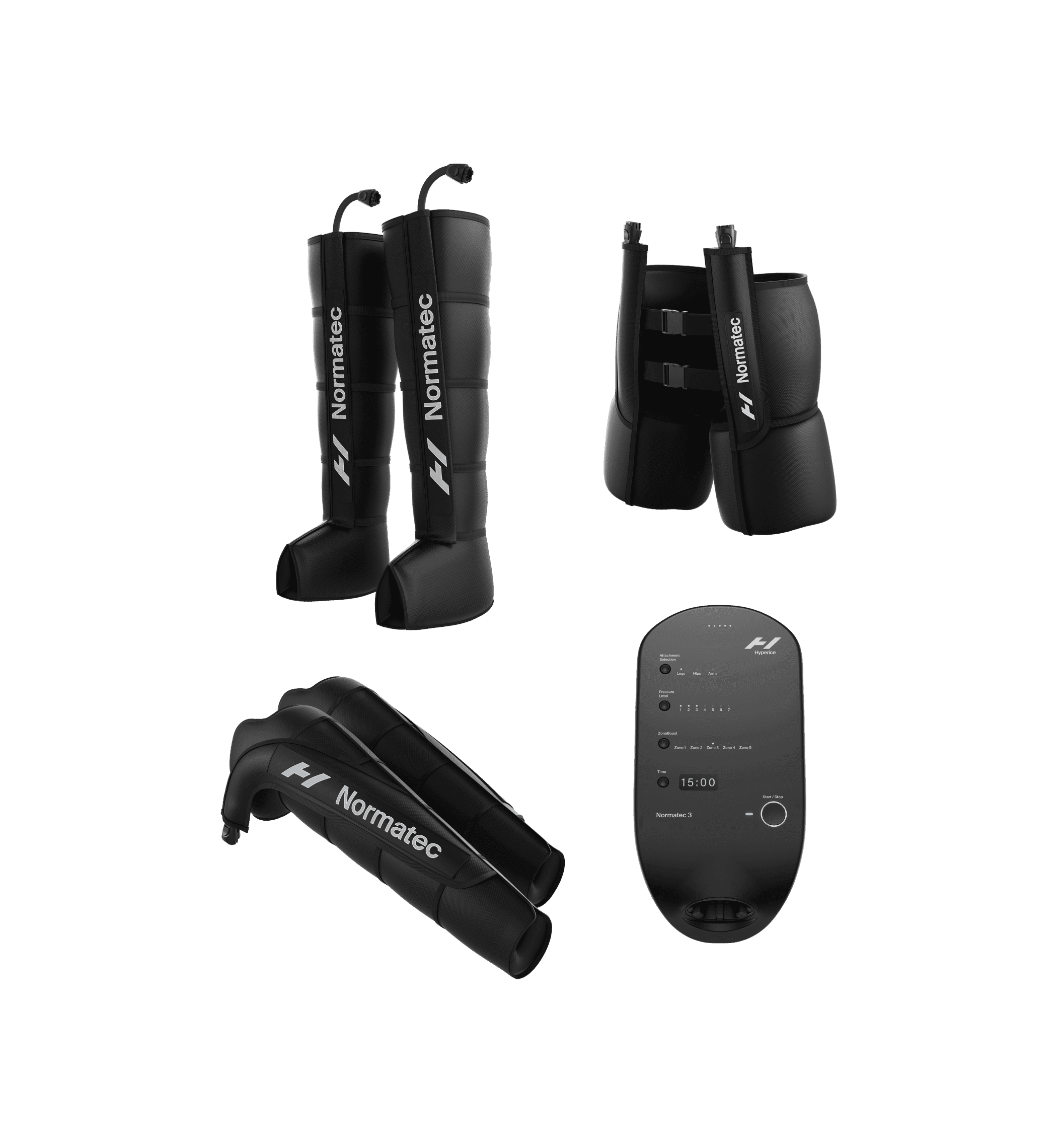
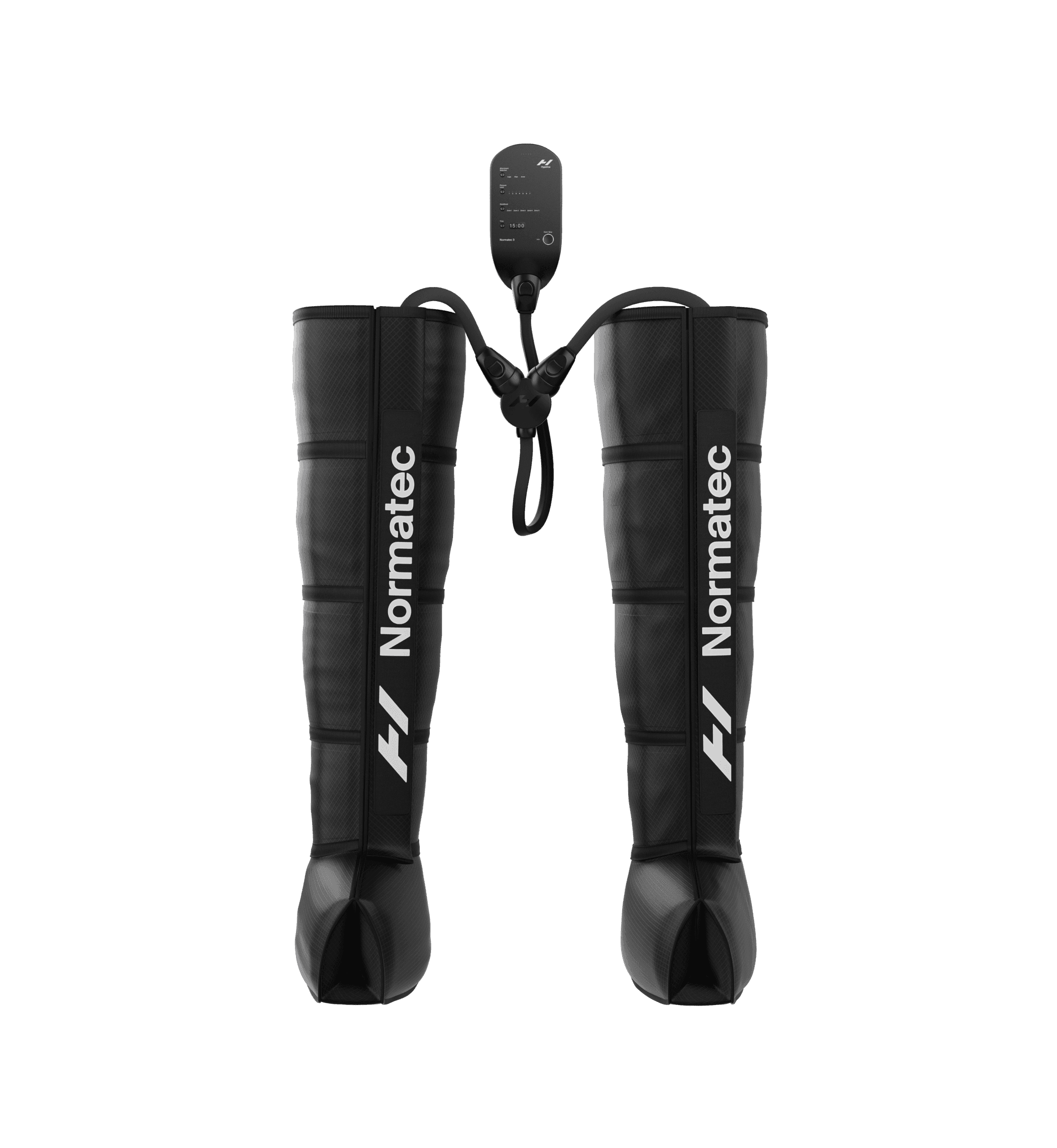
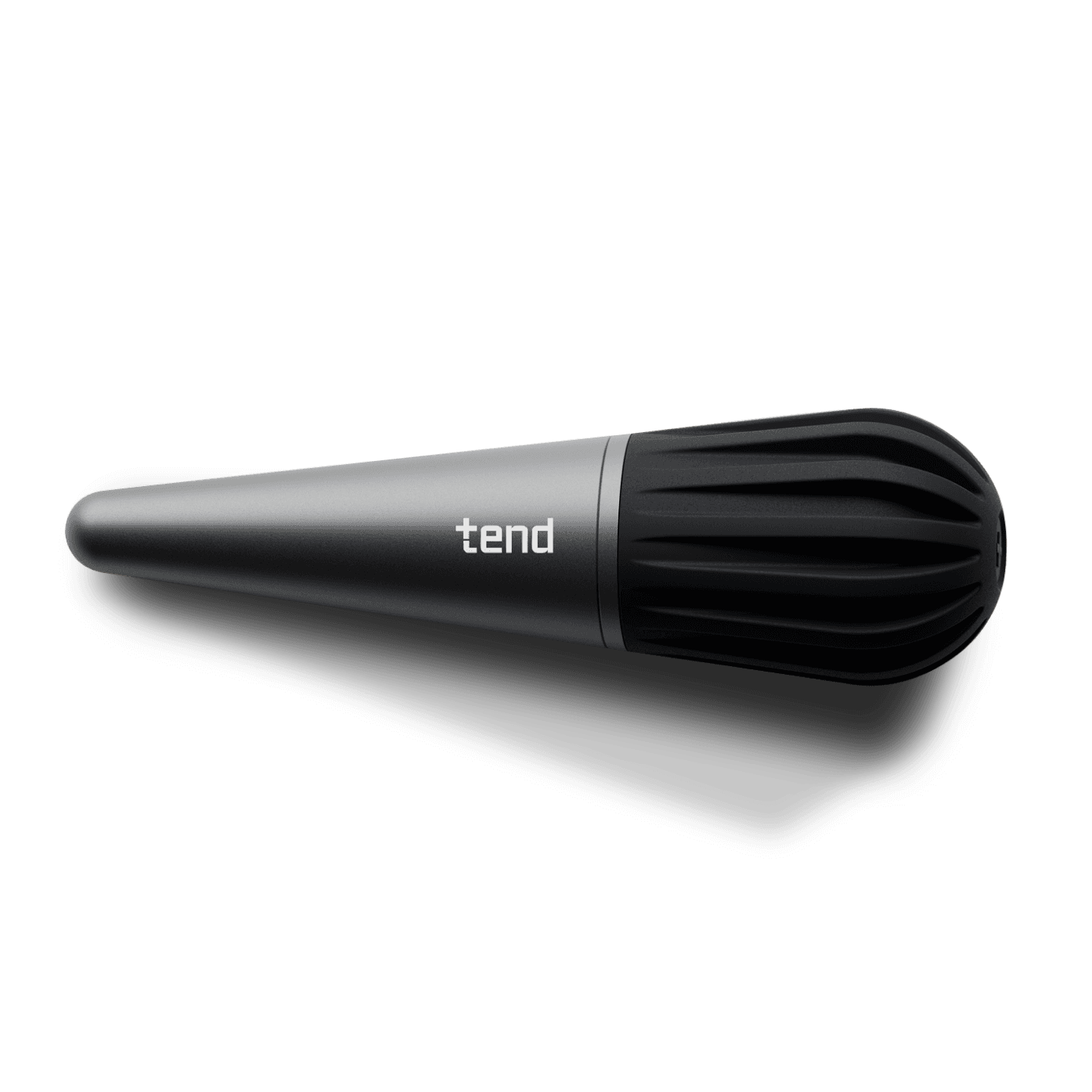

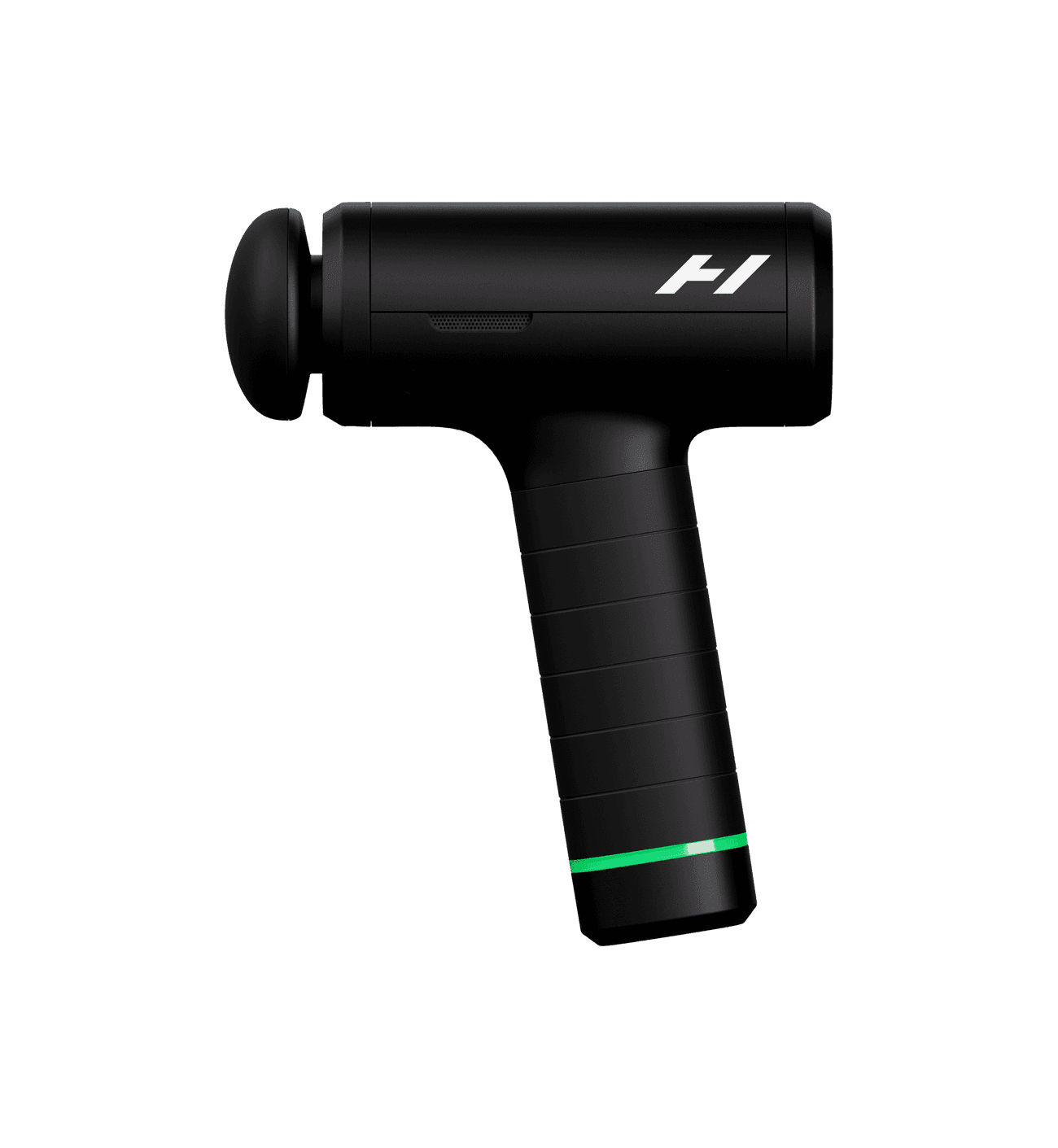

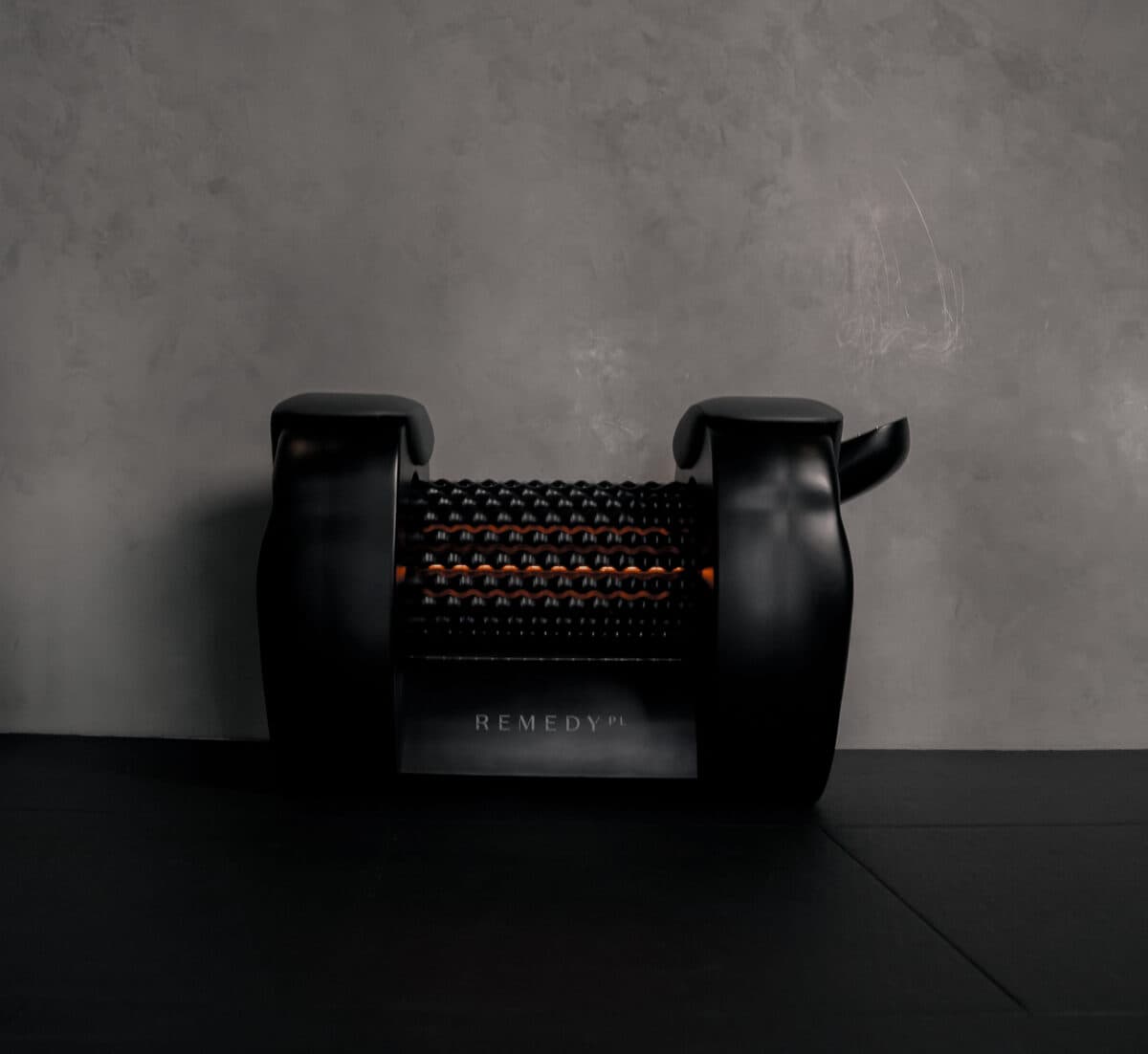

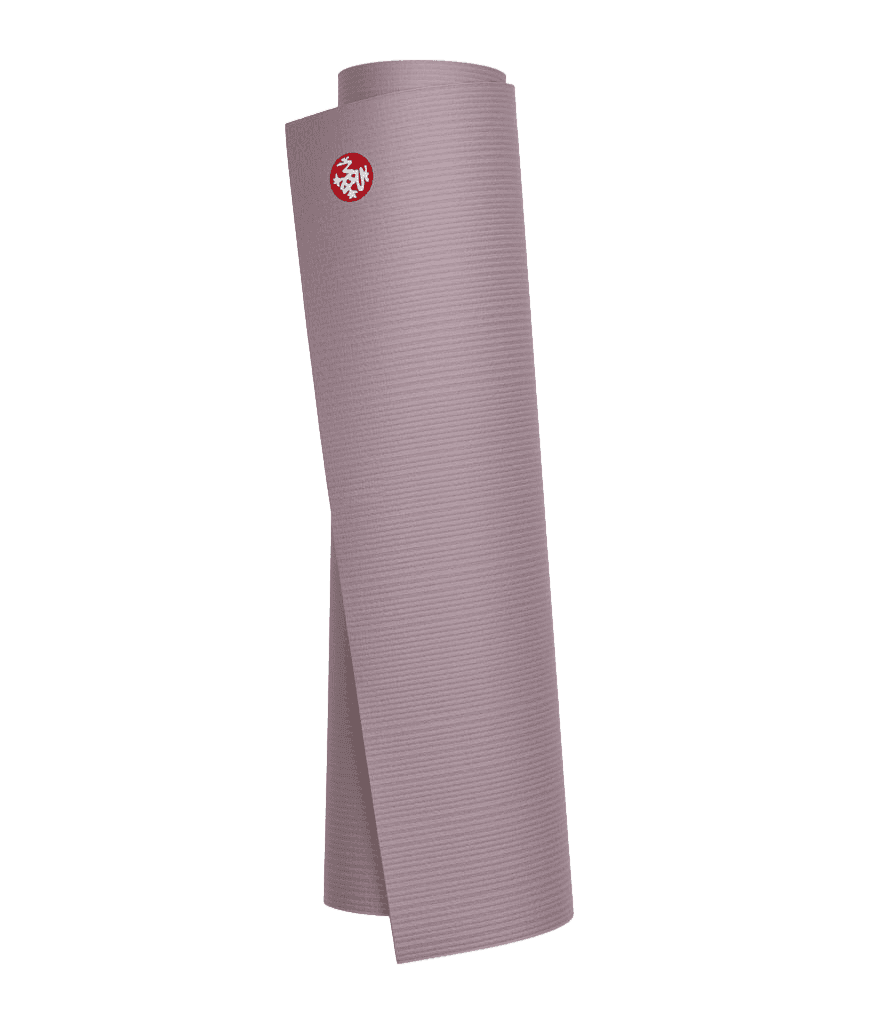
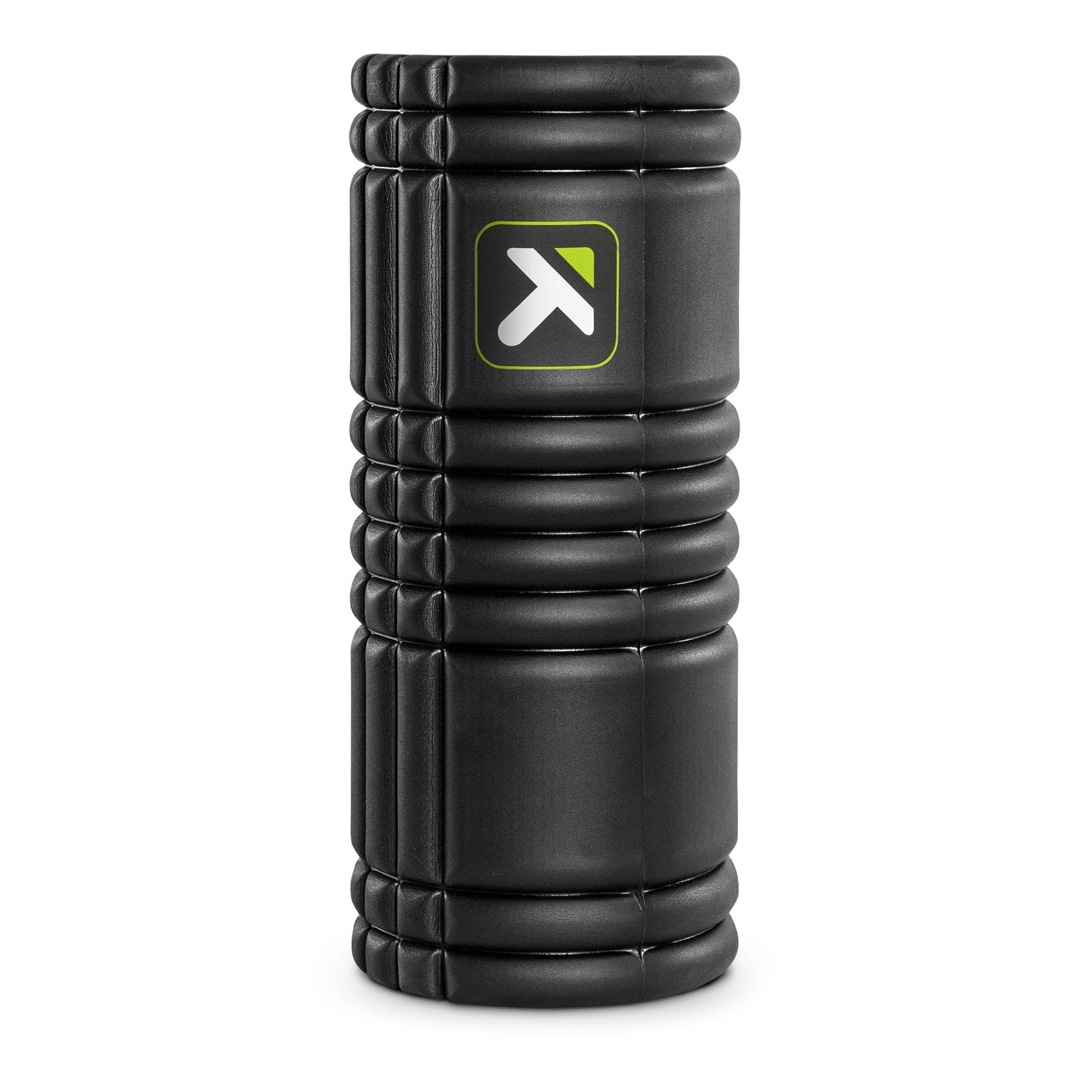
Waterproofing and surface materials are covered in the materials library below. Ventilation and dehumidification live under Air, water treatment under Water. Chillers, drains, and trap primers are specified by the installer, not bought from a directory.
Operation
Protocols, with the evidence labeled
How each modality is actually used, and how much confidence the research supports. The label is part of the recommendation.
Sauna and Heat Adaptation
A weekly sauna structure that builds heat tolerance progressively instead of repeating the same session forever.
Evening Sauna Wind-Down
Moderate heat two to three hours before bed, used to deepen the body's natural pre-sleep temperature drop.
Cold-Water Immersion
What cold plunging does, what it doesn't, and how to run it at home without ignoring the risks.
Red Light Therapy
Structured red and near-infrared light exposure — wavelength, distance, duration, and frequency, without the marketing.
Post-Workout Recovery
A layered sequence — percussion, compression, cold — for the 45 minutes after hard training, with an honest note on when to skip the cold.
Contrast Therapy
Alternating sauna heat and cold water in structured rounds — an old practice with genuinely mixed evidence.
Build with it
Materials for heat and water
Sauna interiors, waterproof surfaces, and the metals that survive chlorinated water and constant condensation — with the tradeoffs documented.
Thermo-Aspen
Aspen baked at roughly 190–212°C in a low-oxygen chamber, permanently changing its chemistry: sugars that feed mold are destroyed, equilibrium moisture drops by nearly half, and the boards stop moving with humidity. Nothing is added — the modification is heat and steam.
Western Red Cedar
The default North American sauna and outdoor wood: naturally decay-resistant thanks to its thujaplicin extractives, dimensionally stable under heat, and unmistakably aromatic. No chemical treatment needed for rot resistance.
Hinoki
The wood of Japanese onsen and temple architecture: a slow-grown cypress whose natural compound hinokitiol gives it documented antimicrobial and antifungal properties. Low-resin, dimensionally stable, and cool to the touch at sauna temperatures.
316L Stainless Steel
Stainless steel with molybdenum added to the standard 304 recipe, giving it resistance to the pitting corrosion that chlorides, salt systems, and ozone eventually inflict on cheaper stainless. The L is low carbon — better corrosion behavior at welds, where tubs and vessels fail first.
Tadelakt
A traditional Moroccan lime plaster burnished with stones and treated with olive-oil soap, which reacts with the lime to form a water-shedding, seamless surface. It is the finish behind the monolithic, grout-free showers filling design portfolios.
Microcement
A polymer-modified cementitious coating applied in millimeters over existing substrates — floors, walls, even tile — to create seamless, monolithic surfaces. Performance depends almost entirely on the system, the sealer, and the installer.
Travertine
A sedimentary limestone deposited by mineral springs, defined by its natural voids and layered, earthy banding. Supplied filled (voids grouted flush) or unfilled, honed or tumbled — each combination behaves differently underfoot.
Zellige Tile
Hand-formed, hand-glazed terracotta tile from Fez, fired in traditional kilns — no two tiles share exactly the same dimension, glaze depth, or shade. The variation is the product, and it changes how the tile must be specified and installed.
Vocabulary
Terms the room is built on
The measurements and mechanisms behind the guide, defined in the glossary.
Reading
Recovery on the site
The Compound Recovery Guide
The flagship resource — heat, cold, and light systems treated as building work, with the evidence for each modality calibrated to what the research actually shows.
The Sauna Guide
Traditional versus infrared versus steam, heater sizing, interior materials, and how a sauna gets installed.
The Cold Plunge Guide
Chillers, filtration, sanitation, and the temperature and duration questions, with the adaptation tradeoff stated plainly.