Few practices have swung between miracle and scam as fast as cold plunging. The honest position is in neither camp. Cold-water immersion does some real things, fails to do several of the things it's sold for, and carries risks serious enough that a physiologist titled his review of it kill or cure? This page is the version that respects all three of those facts at once.
What it is
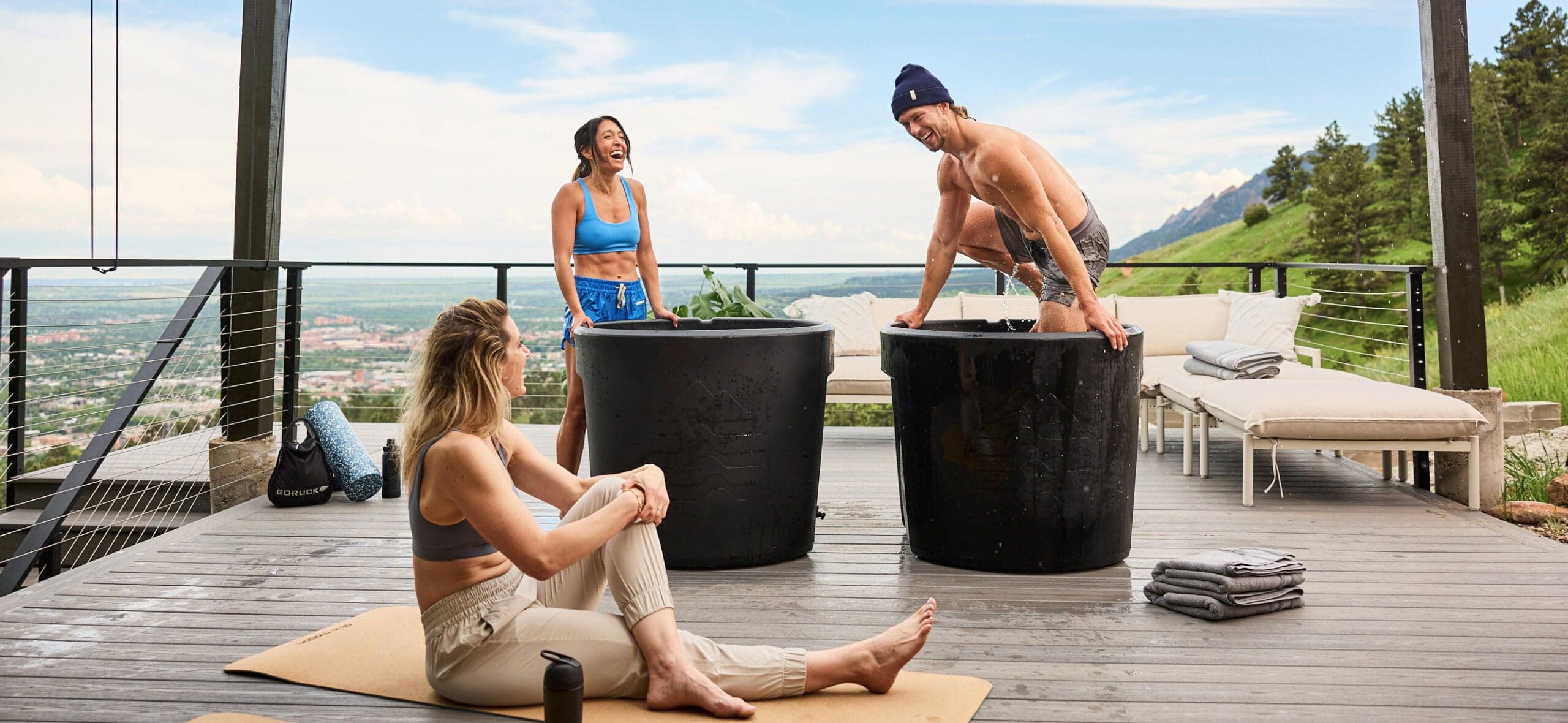
Deliberate immersion of the body in cold water—typically 45–59°F (7–15°C) for a few minutes—for recovery, alertness, or the discipline of doing a hard thing on purpose. It shows up as dedicated plunges, converted chest freezers, cold baths, and open water. This page merges what Compound previously listed as several overlapping cold protocols into one canonical entry.
Where it came from
Cold immersion for health is ancient—cold bathing appears in Greek, Roman, and East Asian traditions, and cold water has been used in medicine for centuries. Its modern fitness form owes a lot to open-water swimming culture and, more recently, to a wave of popularizers who attached specific physiological claims to it. The practice is old; the marketing is new, and it's the marketing that needs the scrutiny.
Why people use it
The common reasons: to feel recovered after hard training, to get a sharp jolt of alertness and mood, to build stress tolerance, and increasingly because a favorite podcaster recommended it. Each of these deserves a different answer, because the evidence behind them is genuinely different.
What happens physiologically
Hitting cold water triggers the cold shock response: an involuntary gasp followed by rapid, hard-to-control breathing, plus a spike in heart rate and blood pressure as surface vessels clamp down. This response is strongest in the first minute and is exactly what makes cold water dangerous—the gasp and hyperventilation can lead to inhaling water. It also drives the alertness hit people chase: cold exposure produces a large, sustained rise in norepinephrine. Over a session, the peripheral vasoconstriction and reduced tissue temperature are what plausibly blunt inflammation and soreness afterward.
What the evidence supports
The best-supported benefit is reduced muscle soreness. A Cochrane review of cold-water immersion for exercise-induced soreness found it reduced delayed-onset muscle soreness compared with rest at 24, 48, 72, and 96 hours—though the authors flagged that the trials were small and of low quality, and that few even recorded adverse events. So: real effect on how sore you feel, modest confidence, thin safety reporting. The acute alertness and mood lift from the norepinephrine surge is also well described physiologically and reliably felt.
What the evidence does not support
Two important limits. First, recovery is not the same as adaptation. Regular cold-water immersion immediately after resistance training attenuates the muscle-building signal and can reduce hypertrophy over time — the Fyfe study is direct on this. If a training block is about getting bigger or stronger, cold water right after lifting works against the goal. Save it for competition phases, endurance blocks, or non-lifting days.
Second, the broader claims—that routine plunging meaningfully boosts immunity, accelerates fat loss through brown-fat activation, or reliably raises long-term HRV—sit at the level of plausible mechanism and anecdote, not demonstrated outcome. Tipton's review is blunt: across the many claims made for cold-water immersion, the evidence base for “kill” is currently better developed than the evidence base for “cure.”
How to use it
- 1Start warmer than the internet tells you: 55–59°F (13–15°C) is plenty to begin. You can lower it as you adapt.
- 2Get in under control. Ease shoulders under and ride out the first-minute cold shock with slow, deliberate breathing — this is the dangerous window.
- 3Keep it short: 2–5 minutes total is where most of the benefit sits. Longer is colder-tolerance training, not more recovery, and raises hypothermia risk.
- 4Never combine cold immersion with breath-holds. Breath-hold plus cold water is a drowning mechanism, not a protocol.
- 5For soreness or a mental reset, plunge whenever it fits. To build muscle or strength, keep cold water away from the hours right after lifting — or skip it that day.
- 6Warm up passively afterward. Dry off, add layers, move around. Skip a scalding shower immediately after if you're chasing the metabolic effect.
How the home enables it
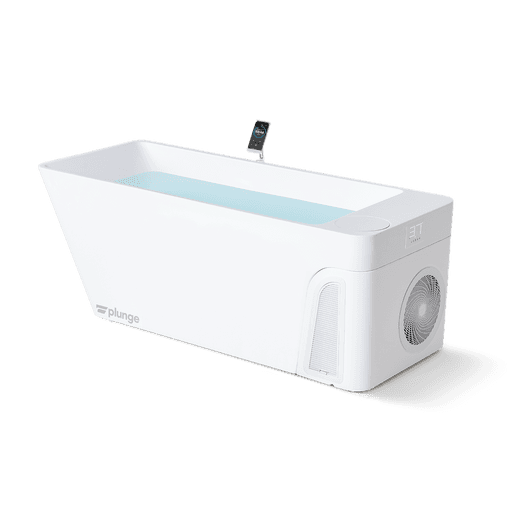
A home plunge is a water-and-maintenance system, not a tub of ice. The decisions that matter: a chiller sized to hold your target temperature (ice is a hassle that never holds steady), reliable filtration and sanitation so the water stays clean between changes, a GFCI-protected electrical supply near water, and a location with drainage and a non-slip approach—because the moment you exit cold water is the moment your coordination is worst.
Placement is a safety feature. Put the plunge where someone else is likely to be within earshot, not in an isolated corner of the garage. If it lives outdoors, plan for the cold-shock exit path in winter. The cold plunge guide covers hardware in depth; the protocol point is that good placement and real filtration turn an occasional novelty into something you'll actually use and maintain.
Risks and contraindications
This is the section that matters most. Cold-water immersion is a recognized cause of death internationally, primarily through cold shock leading to drowning, and secondarily through the cardiac stress of the immediate response. Never do breath-holds in cold water. People with heart disease, high blood pressure, arrhythmias, or who are pregnant should consult a doctor first—the blood-pressure and heart-rate spike is real. Don't plunge alone when you're new or the water is very cold, don't drink alcohol beforehand, and get out at the first sign of you can't control your breathing. The alertness hype is not worth an accident.
The compressed version
Cold water reliably reduces soreness and sharpens alertness; it doesn't reliably do most of the rest, and it actively works against muscle growth if timed right after lifting. Keep it short, keep it controlled, never hold your breath, and never plunge alone when the water is very cold. Real benefits, real risks, no magic.