
Treat the Bedroom as an Environmental System
Most sleep advice is behavioral: go to bed at the same time, put the phone away, skip the late coffee. That advice is fine, and it is not what this guide is about. This guide is about the room. You control the mattress you buy and the hour you turn in, but for the eight hours that matter you are unconscious, and the only thing still working on your behalf is the environment you built.
Four physical variables do most of the work: the temperature around your body, the air you rebreathe in a closed room, the light that reaches your eyes, and the noise that reaches your ears. Each is a building-science problem with real numbers behind it, and each is largely solved by the envelope, the mechanical systems, and the controls — not by discipline. The goal of the room is to make good conditions the default, so that a night of good sleep does not depend on doing everything right before bed.
A caution runs through the whole guide, because sleep is a field where confident numbers outrun the evidence. Where the research is strong — that morning light entrains the clock, that light at night suppresses melatonin, that a closed bedroom accumulates carbon dioxide — this guide says so plainly. Where a popular figure turns out to be softer than it sounds — the single “ideal” sleeping temperature, the idea that a specific carbon-dioxide level makes you measurably dumber — it says that too. Building a room around an overstated claim is how people spend money and end up disappointed.
The Numbers

The room does the work while you are asleep to supervise it.
Room Orientation and Building Envelope
Every variable that follows is easier to control in a tight, well-insulated room and harder in a leaky one. The envelope — walls, windows, and the air barrier between the bedroom and the outdoors — sets the baseline that the mechanical systems then trim. Spend here first if you are building or renovating, because it is the one layer you cannot bolt on afterward.
Orientation and glazing. A bedroom with west-facing glass bakes in the late afternoon and radiates that heat back at you well into the night; an east-facing one gets hit with sunrise. Neither is a dealbreaker, but each changes what the shading and cooling have to do. Where the window faces a street or a neighbor, it is also the weak point for noise and light intrusion, which is why the sections on sound and darkness keep returning to the window as the thing to fix.
Insulation and air sealing. Good air sealing and insulation keep the interior surface temperatures close to the air temperature, which is what actually governs comfort — a cold, poorly insulated exterior wall pulls heat off your body even when the thermostat reads a reasonable number. A tight envelope also means the ventilation you design is the ventilation you get, rather than random infiltration you cannot control. The trade is that a tight room must be ventilated deliberately; see the air section.
None of this is bedroom-specific engineering — it is the same building science that governs the rest of the house, covered in more depth under Air. The point for the bedroom is only that the envelope is the foundation the other systems stand on, and the quietest, most stable bedrooms are the ones where it was taken seriously.
Temperature and Radiant Comfort
Body temperature falls as you move into sleep, and the thermal environment either cooperates with that drop or fights it. This much is well supported. The review literature on sleep and temperature is clear that heat exposure reliably increases wakefulness and reduces slow-wave and REM sleep, and that humid heat is worse than dry heat. A hot bedroom is a genuine problem.
Be skeptical of a single magic number. The widely repeated “65–68 °F is optimal” claim is softer than it sounds. The core review does not endorse any single ideal ambient temperature; the real evidence is directional and depends heavily on bedding and clothing, which create a warm microclimate around the body regardless of the room. The same review notes that in ordinary conditions the effect of cold may actually be greater than the effect of heat, working through the cardiac autonomic system even when it does not visibly change sleep stages. The honest guidance is a comfortable, coolish room that lets your body shed heat — the exact set point is yours to find, not a number to obey.
Radiant comfort, not just air temperature. What you feel is closer to the operative temperature — a blend of air temperature and the mean radiant temperature of the surfaces around you. A well-insulated room with warm interior surfaces feels comfortable a degree or two cooler than a leaky one, because you are not losing heat to a cold wall or a single-pane window. This is why the envelope work pays off in thermal comfort and not only in energy bills.
The bed is its own climate. Because the microclimate under the covers matters as much as the room, active bed-cooling systems that circulate temperature-controlled water through a mattress pad are a legitimate tool — they let two people run different temperatures and let you cool the surface where heat transfer actually happens. Treat them as a comfort and consistency investment rather than a proven sleep-stage optimizer; the effect people report most reliably is falling asleep more easily in a bed that is not too warm. Products live in the equipment section.
Ventilation, Carbon Dioxide and Filtration
Close the door and the windows, and a bedroom slowly fills with what its occupants exhale. This is measurable, not theoretical: in a controlled field study, bedrooms with the door and windows shut averaged around 2,400 ppm of carbon dioxide and ran as high as the high 3,000s, while opening a window or running a fan pulled the same rooms down under 900 ppm. Carbon dioxide itself is mostly a proxy — it tracks how much of the air is rebreathed bioeffluent versus fresh — but it is an easy proxy to measure, and a rising overnight curve is a reliable sign the room is under ventilated.
Does the fresher air help you sleep? The same study found that lowering bedroom carbon dioxide improved measured sleep quality and next-day alertness and concentration. That is real, but keep the caveats: it was a small study in single-occupancy student rooms, and carbon dioxide stands in for overall air freshness rather than being proven the sole cause. Treat better bedroom ventilation as well-supported and low-risk, not as a miracle.
Do not trust a scary carbon-dioxide-and-cognition number. You will see claims that 1,000 ppm measurably degrades decision-making, tracing to a small 2012 chamber study. That finding did not hold up: a later study of screened Navy submariners found no cognitive effect even at 15,000 ppm, and ASHRAE's 2025 position document calls the evidence for direct effects of carbon dioxide at commonly observed indoor levels “inconsistent”. Ventilate the bedroom because rebreathed, stuffy air is unpleasant and the sleep evidence points the right way — not because a specific number is frying your brain.
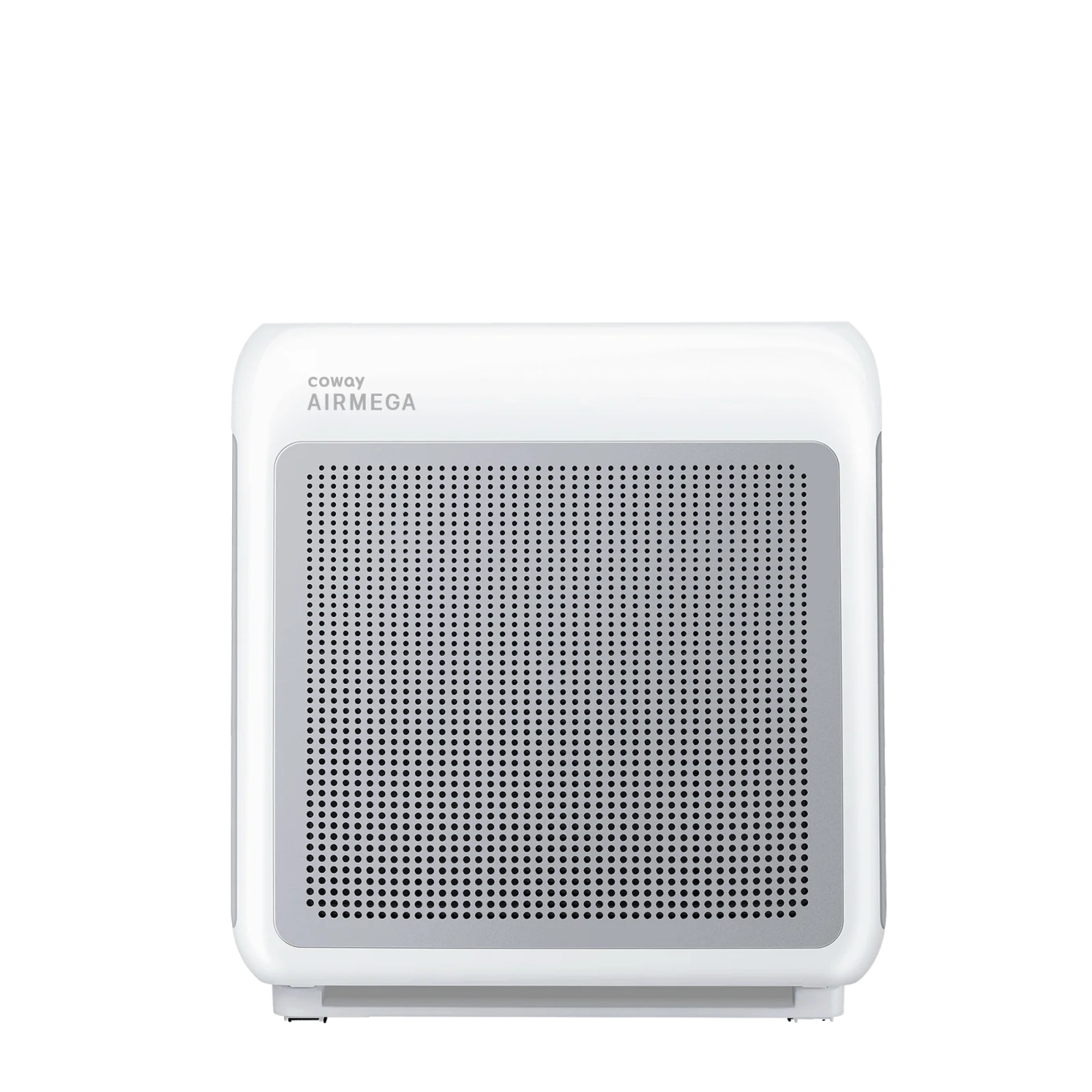
Filtration is not ventilation. This is the correction that matters most. A HEPA purifier cleans particles — dust, pollen, smoke, dander — and a good one belongs in a bedroom near a road or in wildfire country. But it does nothing for carbon dioxide. Both the EPA and ASHRAE are explicit that mechanical filters are not designed to remove gaseous pollutants and that carbon dioxide is diluted only by exchanging indoor air for outdoor air. If the room feels stuffy by morning, a bigger air purifier will not fix it — only ventilation will.
How to actually ventilate a bedroom. The cheapest fix is a cracked window, when the outdoor air and noise allow it. The durable fix is mechanical: a whole-house energy-recovery ventilator or heat-recovery ventilator that supplies filtered outdoor air continuously and quietly, tempering it against the air it exhausts so you are not heating or cooling the street. Residential ventilation is governed by ASHRAE Standard 62.2, which sizes whole-house airflow using bedroom count as a stand-in for occupancy. Note the myth while you are here: ASHRAE sets no 1,000 ppm carbon-dioxide limit — that legacy figure is an old ventilation-adequacy indicator tied to body-odor perception, not a health threshold. The whole-home ventilation strategy is covered under Air; the bedroom is simply one of the rooms that benefits most.
Humidity Management
Humidity is the quiet variable. Too dry, and winter heating leaves you with a scratchy throat and dry sinuses; too humid, and the room feels warmer than it is and the building starts to suffer. The workable target is well established, though it comes from building health rather than sleep science: the EPA recommends keeping indoor relative humidity below 60 percent, ideally between 30 and 50 percent. Above 60 percent, condensation and mold risk climb.
Watch the dew point, not just the number. Mold and condensation form where warm, moist air meets a cold surface below its dew point — the inside of a single-pane window, an uninsulated corner, the wall behind a bed pushed tight against exterior masonry. This is where the envelope and humidity meet: a well-insulated room keeps surface temperatures up and gives moisture nowhere to condense. Two sleepers, a bathroom next door, and a closed door all add moisture overnight, which is another reason ventilation and humidity are the same conversation.
The tools. In a humid climate or season, air conditioning does most of the dehumidification as a side effect of cooling, and a dedicated dehumidifier handles the rest. In a dry winter, a humidifier brings a parched room back into the band — run it to a target and clean it, because a dirty humidifier trades dryness for aerosolized microbial growth. In both directions, aim for the range and let a hygrometer confirm it rather than guessing.
Darkness, Daylight and Circadian Lighting
Light is the strongest input to the body clock, and this is the best-evidenced territory in the whole guide. Two facts are solid. First, light at night suppresses melatonin: in a careful inpatient study, ordinary room light before bed delayed melatonin onset in nearly everyone, and light during usual sleep hours suppressed melatonin by more than half. Second, appropriately timed morning light advances and entrains the clock, with the effect depending on timing, intensity, and duration. Darkness at night and brightness in the morning are the two levers, and both are building decisions.
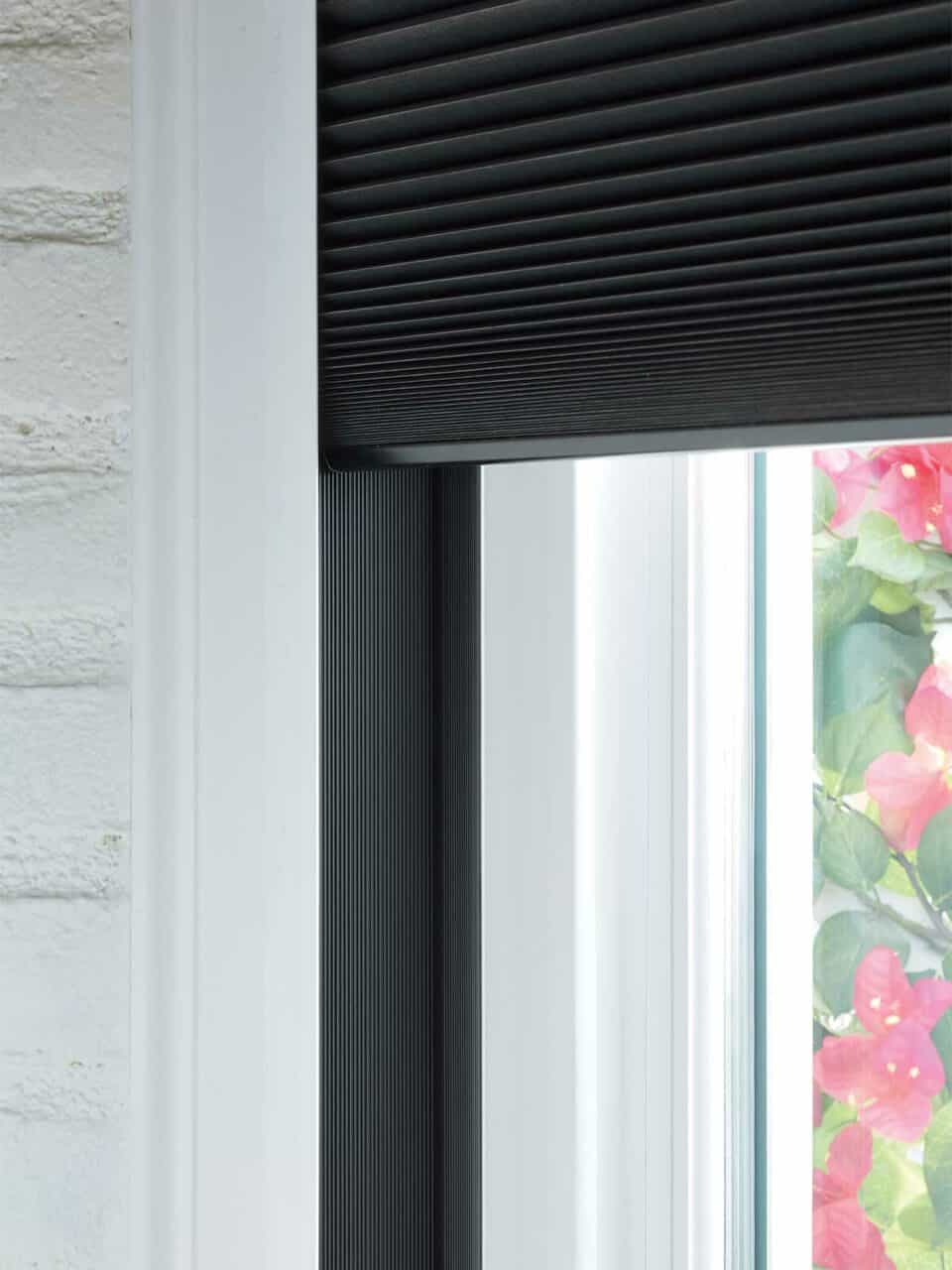
Engineering darkness. Real darkness is a shading problem. Motorized blackout shades or, better, a blackout system with side channels that seal the window edges will take a room genuinely dark; ordinary roller shades leak a bright halo that defeats the purpose. Then hunt the small sources: the streetlight through a gap, the standby LEDs on electronics, the charging phone. Where the room cannot be controlled — a partner on a different schedule, travel, an unshaded window — a contoured sleep mask that blocks light without pressing on the eyes is the reliable fallback. There is early, small-sample evidence that even dim light during sleep nudges heart rate and next-morning metabolism in the wrong direction (a single-night study of twenty young adults), so it is worth chasing the last few lux — while keeping the strength of that particular finding in perspective.
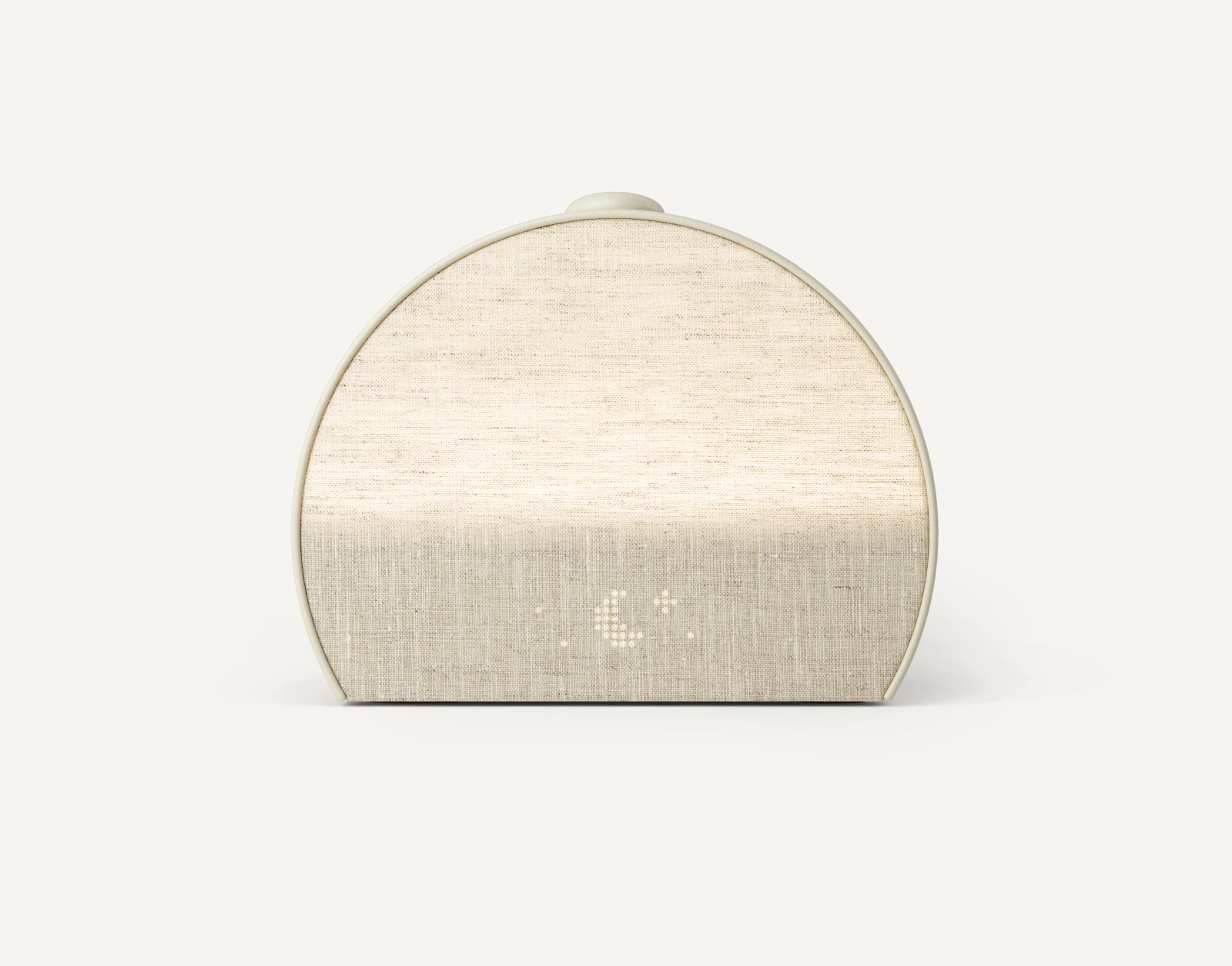
Daylight and the morning. The counterpart to a dark night is a bright morning. Getting real daylight early in the day is the strongest circadian move available, which is partly an architecture question — where the windows are, whether the shades open on a schedule. When the sun is not an option, a sunrise-simulation lamp that ramps up before your alarm is a reasonable stand-in, and warmer, dimmer light in the evening keeps you from broadcasting “daytime” to your clock at 10 p.m. The color and timing of interior light — its correlated color temperature and melanopic content — are the subject of circadian lighting, covered in full under Light. Avoid a common overreach: bright morning light helps entrain the clock, but the exact timing depends on your own internal rhythm, and the laboratory studies use light far brighter than a typical bedroom lamp.
Noise, Vibration and Acoustic Isolation
Noise degrades sleep even when it does not fully wake you. Traffic, a partner, a cycling compressor, and aircraft all produce brief arousals and autonomic responses that fragment the night below the threshold of memory. The WHO's environmental noise guidelines put numbers on it: for night-time road traffic, they recommend keeping exposure below 45 dB Lnight at the façade, with a stricter 40 dB for aircraft. Those are outdoor levels measured at the building face — the point inside is lower after the wall and window attenuate it, which is exactly the lever you control.
The window is the weak point. In almost every bedroom the window is the acoustically weakest element in the exterior wall, so that is where isolation is won or lost. Laminated glass, a genuine second glazing layer with a wide air gap, and airtight seals do more than any amount of mass added to the wall. The wall assembly's resistance to airborne sound is rated by its Sound Transmission Class, and raising it means decoupling and sealing, not just thickening.
Structure-borne noise and the door. Some of the worst offenders travel through the building rather than the air — structure-borne sound from a mechanical room, an elevator, footfall from above, or a plunge chiller cycling through a shared wall. That is fought with isolation and mass at the source, not with a heavier curtain. Indoors, the hollow-core bedroom door and its undercut gap are usually the largest leak from the rest of the house; a solid-core door with proper seals is a cheap, large improvement.
Masking, honestly. A fan or a sound machine does not isolate anything — it raises the noise floor so intermittent sounds are less startling. That is a real, useful effect and a fine last layer, but it is a different thing from making the room quiet, and it should not substitute for fixing the window when the window is the problem. Soft interior surfaces help the room feel calm by lowering its reverberation time; deeper acoustic design lives under Sound.
Mattress, Bedding and Material Selection
The bed is the one part of the room in direct contact with you all night, and it is its own microclimate. Two things matter here that are within reach: how the bed manages heat and moisture, and what it is made of.
Heat and moisture. Natural fibers — wool, cotton, linen — breathe and move moisture better than synthetics, which is why bedding choice changes how warm the bed feels as much as the thermostat does. Weave and weight set the rest: crisp percale sleeps cooler than sateen, linen sheds heat well, and a heavy synthetic duvet traps it. Because the microclimate under the covers can override the room, this is also where active bed-cooling earns its place for people who run hot — it addresses the surface where heat transfer happens rather than trying to cool the whole volume of air.
What it is made of. You spend a third of your life breathing whatever the mattress and bedding emit. Many conventional mattresses are built on polyurethane foams and treated with flame retardants and adhesives that can off-gas volatile organic compounds, strongest when new. Favoring low-emitting materials — natural latex, wool, organic cotton, and mattresses certified for low emissions — is a reasonable, evidence- aligned way to reduce that exposure, and it matters more in the bedroom than almost anywhere else in the house because of how long you are in it and how close your face is to it. The full tradeoffs on latex, wool, and the surrounding finishes are in the materials library.
On firmness, support, and feel, resist the urge to be prescriptive: the best mattress is the one that fits your body and how you sleep, and no lab number substitutes for that. Specify the bed for its climate behavior and its emissions, and choose the feel the way you always would.
Controls and Automation
The systems in this guide only help if they are actually in the right state at the right time, and the reliable way to ensure that is to remove the nightly decision. Automation's job in a bedroom is not novelty; it is making the good configuration the default so a tired person does not have to assemble it by hand at 11 p.m.
The evening and the morning as scenes. A single evening routine can drop the thermostat setpoint, close the blackout shades, dim and warm the lights, and step up ventilation — one trigger, the whole room. A morning routine can open the shades to real daylight, raise the temperature slightly, and bring light up gradually. Tie them to a schedule rather than a manual button, since the entire benefit is that the room prepares itself whether or not you remember.
Keep it robust and quiet. The failure mode of bedroom automation is a system that beeps, glows, or needs troubleshooting at the worst possible hour. Prefer controls that fail gracefully to a sensible state, keep status lights off or dimmable, and make sure everything has a simple manual override. A smart bedroom that demands attention has defeated its own purpose. Lighting scenes and shade control are covered in more depth under Light.
Measurement Without Obsession
There are two very different things worth measuring in a bedroom, and it helps to keep them apart. The first is the room — temperature, humidity, carbon dioxide, and noise. The second is you. The first is where measurement is most useful, because it tells you whether the systems you built are doing their job.
Measure the room to commission it. An inexpensive monitor that logs temperature, humidity, and carbon dioxide overnight answers the questions this guide raises directly: does carbon dioxide climb through the night, does humidity sit in the band, does the room hold its temperature. Watch the overnight curve, not a single reading — a room that starts fresh and ends stuffy has a ventilation problem a spot check would miss. This is the data that changes a decision.
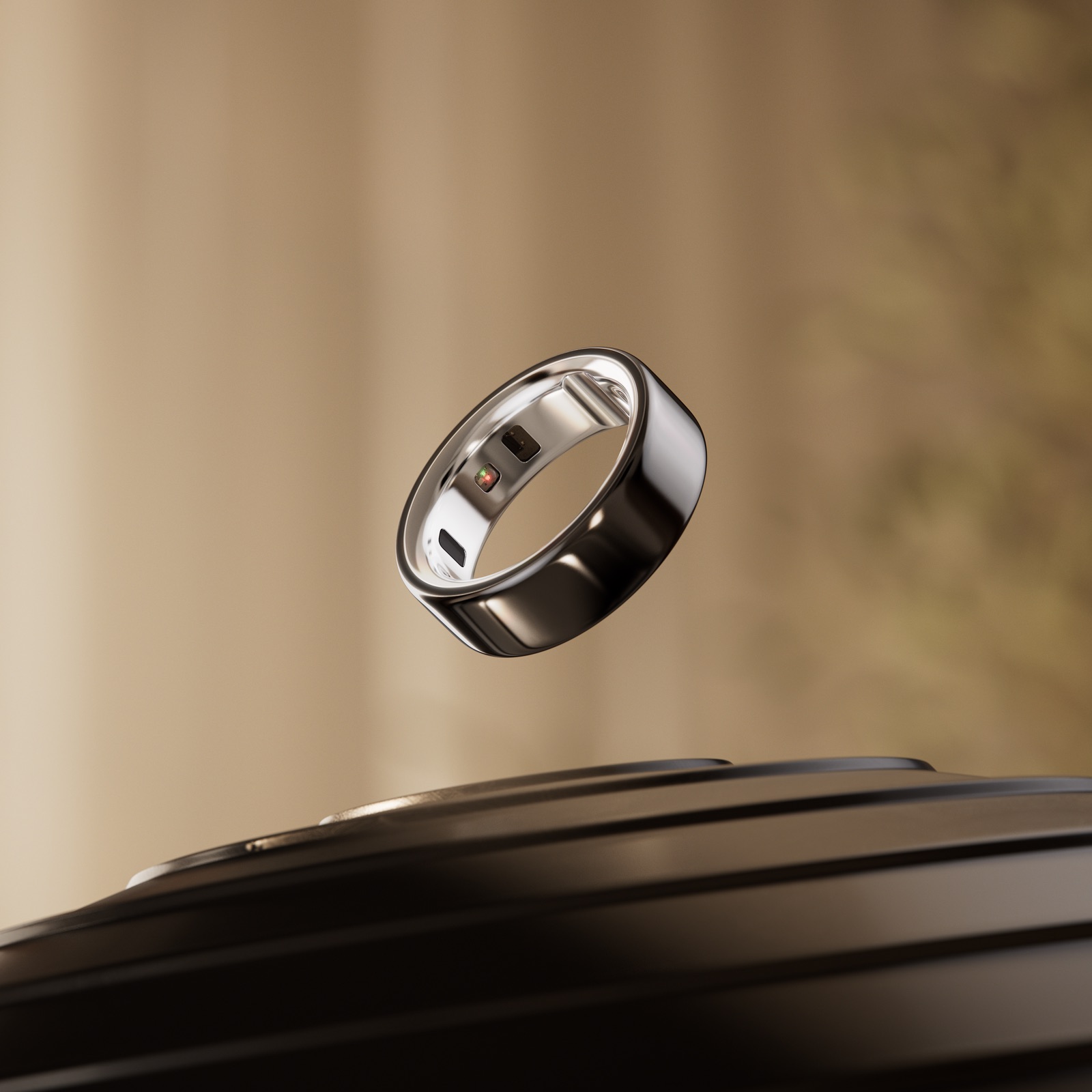
Wearables report trends, not grades. A ring, a band, or an under-mattress sensor can estimate sleep timing, heart rate, and heart-rate variability, and they are genuinely useful for one thing: comparing before and after when you change something in the room. They are consumer estimates, not clinical sleep staging, so resist reading a nightly “score” as a verdict on your health. Consumer devices are also not diagnostic tools; persistent snoring, gasping, or daytime exhaustion is a conversation with a doctor, not a firmware update.
There is no perfect number to chase. This guide deliberately avoids publishing target figures for deep sleep, REM, resting heart rate, or a nightly sleep score, because the honest ranges are individual and the precise targets floating around the internet are not well supported. The goal is not a perfect score. The goal is a room that quietly produces good conditions, verified once and then left alone. What that looks like as a checklist is the next section.
Three Bedroom Upgrade Levels
The same room can be improved at three very different budgets. Each level is complete on its own; you do not need the next one for the current one to be worth doing.
The essentials
What anyone can do without construction
- Real blackout — a proper shade or a contoured sleep mask, plus killing standby LEDs
- Ventilate: crack a window when the air and noise allow, or add a bedroom air purifier for particles
- A cool, comfortable set point and breathable natural-fiber bedding
- A solid-core door with seals if the hallway noise gets in
- A cheap temperature/humidity/CO₂ monitor to see what the room actually does
The engineered room
Bolt-on systems, no major renovation
- Motorized blackout shades on a schedule; sunrise-simulation waking
- Active bed cooling for the microclimate, dual-zone if you share the bed
- A dedicated humidifier or dehumidifier held to the 30–50% band
- Laminated or upgraded glazing and seals at the window if noise or light leak persists
- Evening and morning automation scenes tying it together
Designed from the envelope in
New build or deep renovation
- A tight, well-insulated envelope with warm interior surfaces for radiant comfort
- Balanced mechanical ventilation (ERV/HRV) delivering filtered outdoor air quietly
- Acoustic isolation designed into the wall, window, and structure — not added later
- Integrated circadian lighting and shading tuned across the day
- Low-emitting materials and mattress specified for air quality from the start
Commissioning the Room
Commissioning is the step where you verify the room does what it was built to do, once, rather than trusting that it does. This is the replacement for a “perfect sleep score” — a short checklist run over a few nights, after which you can stop thinking about the room and let it work.
The Bedroom Commissioning Checklist
Recommended Products and Systems
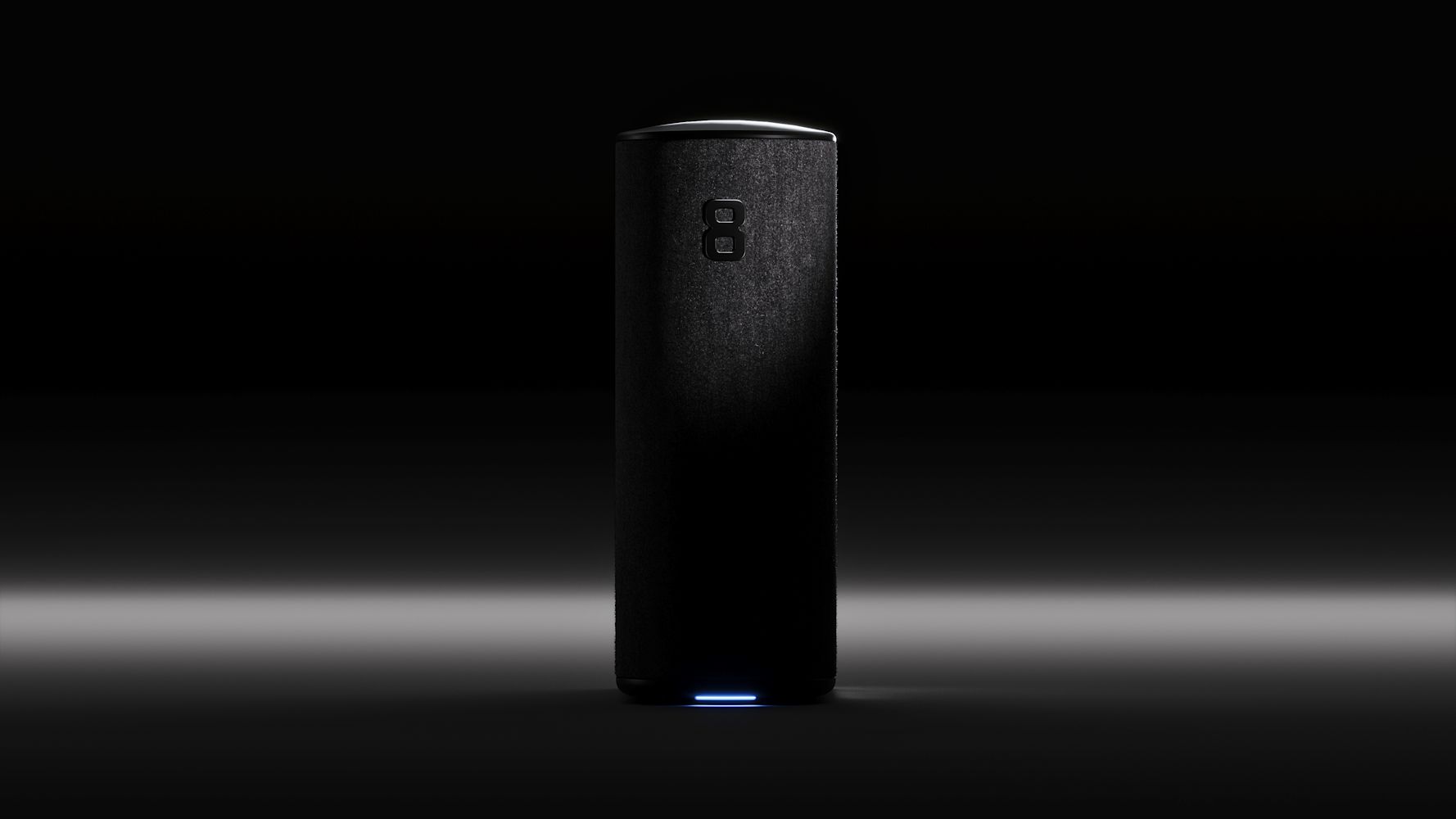
Equipment gets one section because the room is the hard part. The selection principles that hold up: buy blackout that seals the window edges, not just a shade that covers the glass; treat an air purifier as a particle tool and ventilation as the thing that handles stuffiness; choose bed cooling if you run hot and want to manage the microclimate; and treat wearables as trend trackers, not nightly verdicts. Every recommendation links to a full profile, and the Sleep directory carries the complete catalog with mattresses, bedding, environment, and measurement each a click deep.

Where to Start
If you are renting or on a budget: do Level 1. Get the room genuinely dark, ventilate it, sleep cool on breathable bedding, and log a few nights to see what is actually wrong. Most of the benefit is here, and none of it requires a contractor.
If you own and want the room dialed in: add the engineered layer — motorized blackout, bed cooling, humidity control, and a window upgrade if noise or light keep leaking. Automate the evening and morning so the room configures itself.
If you are building or renovating: start from the envelope and the mechanicals. A tight, quiet, well-ventilated room with circadian lighting and low-emitting materials designed in from the start is a category better than anything retrofitted, and most of it costs little on the drawings and multiples of that afterward.
In every case: build the room, verify it once, and then let it work. The strongest evidence in this field is about light and ventilation; much of the rest is softer than the confident numbers suggest. A good bedroom is not a perfect score — it is a room you stop having to think about.
Sources
- Okamoto-Mizuno K, Mizuno K. Effects of thermal environment on sleep and circadian rhythm. Journal of Physiological Anthropology, 2012 (open access review)
- Strøm-Tejsen P, et al. The effects of bedroom air quality on sleep and next-day performance. Indoor Air, 2016
- ASHRAE — Position Document on Indoor Carbon Dioxide (approved February 2025): no 1,000 ppm limit; CO₂ is a ventilation indicator, and filtration cannot remove it
- Satish U, et al. Is CO₂ an Indoor Pollutant? Direct Effects of Low-to-Moderate CO₂ on Decision Making. Environ Health Perspect, 2012
- Rodeheffer CD, et al. Acute Exposure to Low-to-Moderate CO₂ and Cognitive Performance. Aerosp Med Hum Perform, 2018 (non-replication; no effect at 15,000 ppm)
- U.S. EPA — Guide to Air Cleaners in the Home: filtration does not replace ventilation and is generally not designed to remove gaseous pollutants
- ANSI/ASHRAE Standard 62.2 — Ventilation and Acceptable Indoor Air Quality in Residential Buildings (whole-house rate uses bedroom count as an occupancy proxy)
- U.S. EPA — A Brief Guide to Mold, Moisture and Your Home (keep indoor relative humidity below 60%, ideally 30–50%)
- Gooley JJ, et al. Exposure to Room Light before Bedtime Suppresses Melatonin Onset and Shortens Melatonin Duration. J Clin Endocrinol Metab, 2011
- Mason IC, et al. Light exposure during sleep impairs cardiometabolic function. PNAS, 2022 (n=20, single night; suggestive mechanism)
- Blume C, Garbazza C, Spitschan M. Effects of light on human circadian rhythms, sleep and mood. Somnologie, 2019 (phase-response review)
- WHO — Environmental Noise Guidelines for the European Region, 2018 (road traffic below 45 dB Lnight; aircraft below 40 dB Lnight; façade levels)
- Smith MG, et al. A systematic review and meta-analysis of environmental noise and sleep. Environ Health Perspect, 2022
The strongest evidence here concerns light's effect on the circadian system and the accumulation of carbon dioxide in unventilated rooms. Several widely repeated figures are weaker than they sound — there is no single proven “ideal” sleeping temperature, the link between moderate carbon-dioxide levels and cognition is contested, and the light-during-sleep metabolic finding rests on one small study. Code and standard citations describe model standards; adoption varies by jurisdiction. Verify anything you intend to build to against the governing edition and a qualified professional.