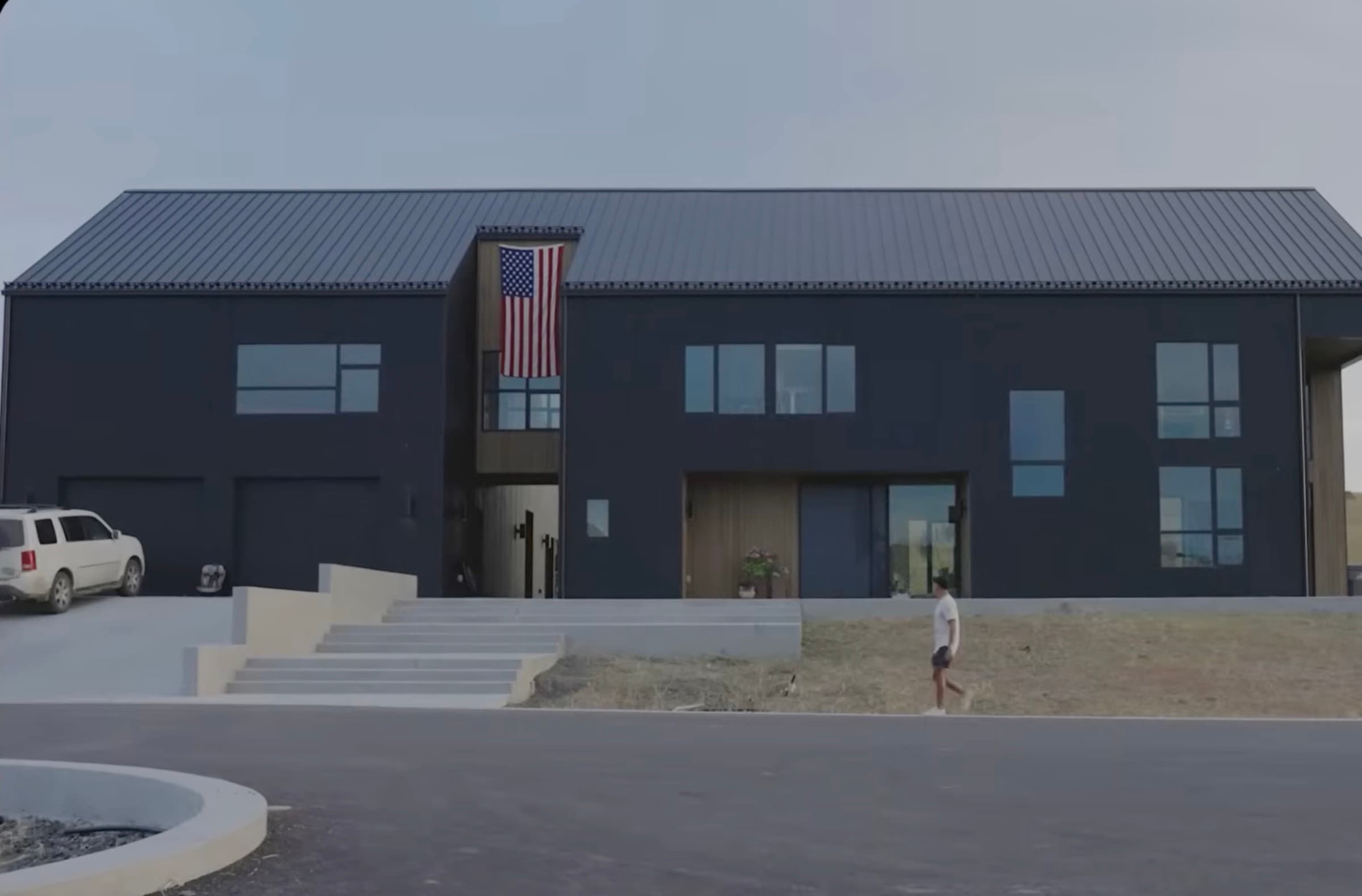
In north Idaho sits what might be one of the more obsessively optimized houses in America. Ten thousand square feet. Three years of construction. Copper running under the floors. Ethernet ports hidden in every room. A $150,000 red-light chamber downstairs.
But strip away the tech and here's what actually shaped it: Ben wanted his grandkids — and their grandkids — to gather here. The house is infrastructure for a dynasty, not a wellness flex. The tour below runs the whole building, room by room.
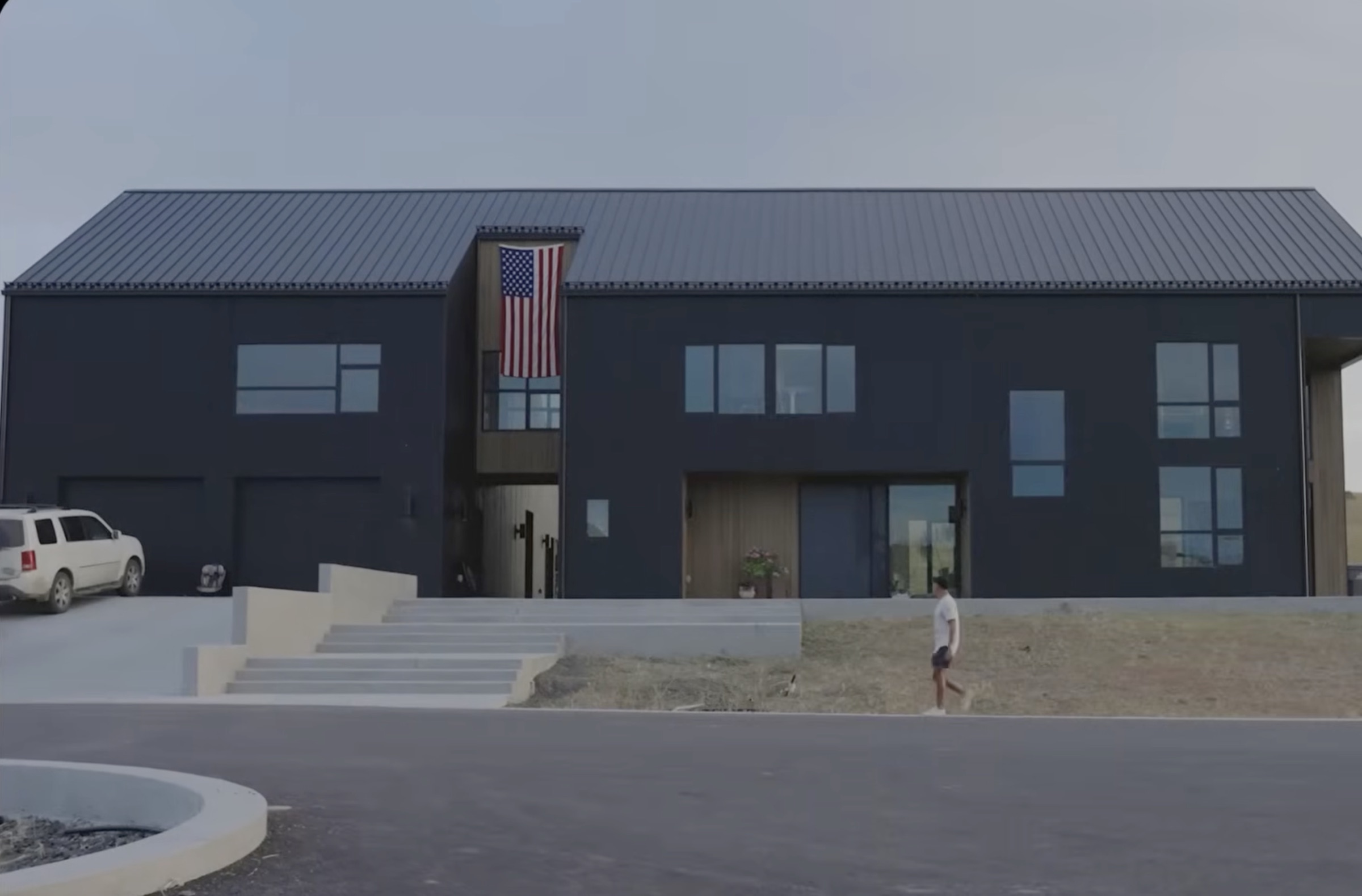
The Family Layer (Why Any of This Exists)
Before walking the rooms, it helps to know what the house is for. The Greenfields have a crest. A logo. A multi-hundred-page family constitution — traditions, rites of passage (each kid does one at 16), family colors, spirit animals, core values, branded like a business.
They meet every morning and every evening. Host other families every other week. Church every Sunday. The health stuff is the frame. Family is the picture.
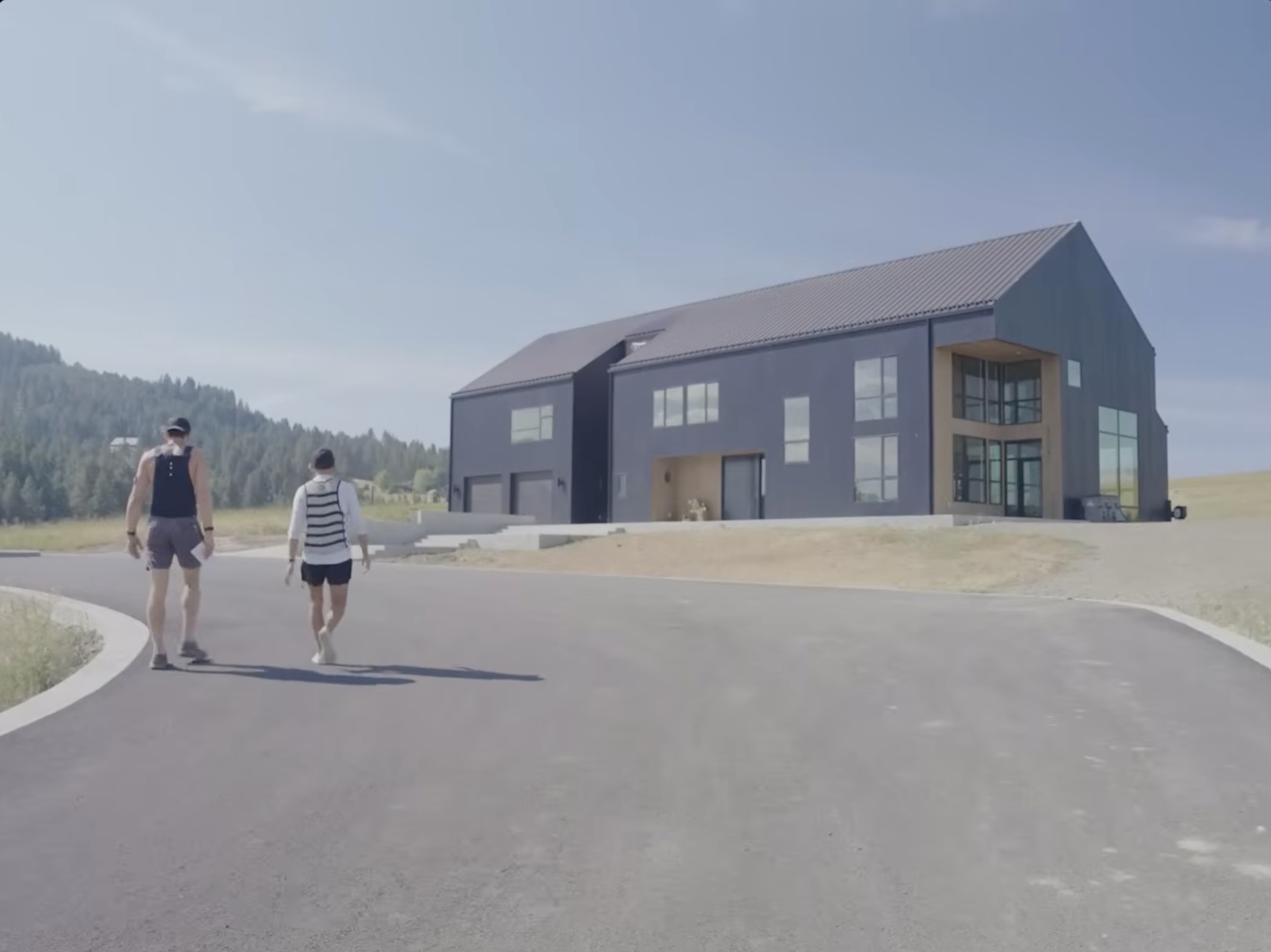
The Bones
Four baseline decisions set the tone for the rest of the house.
Polished concrete downstairs laid over a conductive copper layer. Natural oak upstairs with a non-toxic stain — copper still runs underneath. Every floor is the grounding mat.
Cork. Cheap, low-VOC, and the one deliberately ungrounded space in the house so the body isn't a conduit when PEMF or RF gear is running.
Standard drywall with a condensation-trapping layer behind it. Hempcrete was tempting; insurance killed it. Gym walls got an extra electrical insulator.
Hydronic throughout. Water-boiling pipes run under every floor. 4–5 hours to warm, then crushes HVAC on efficiency through an Idaho winter.
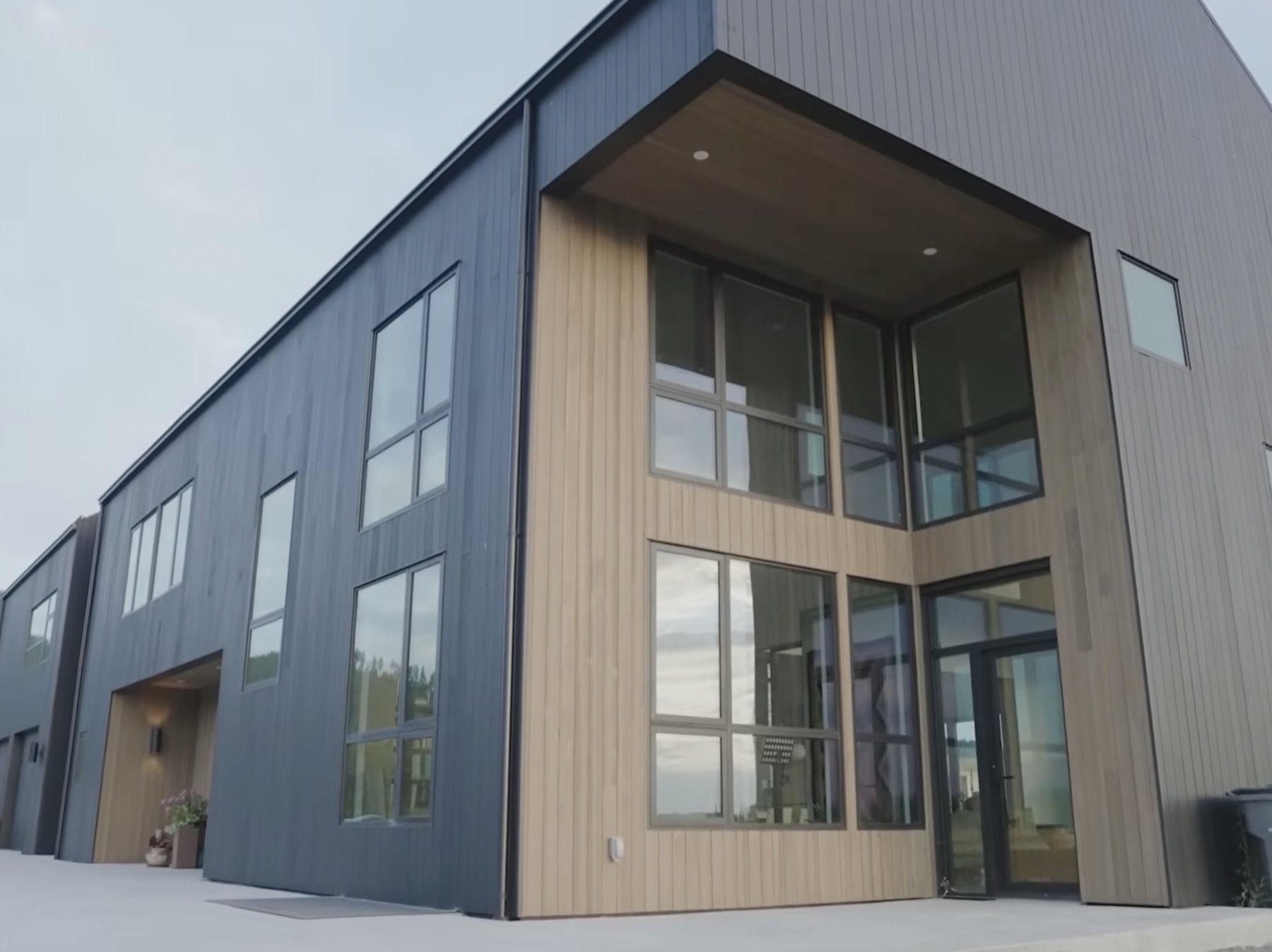
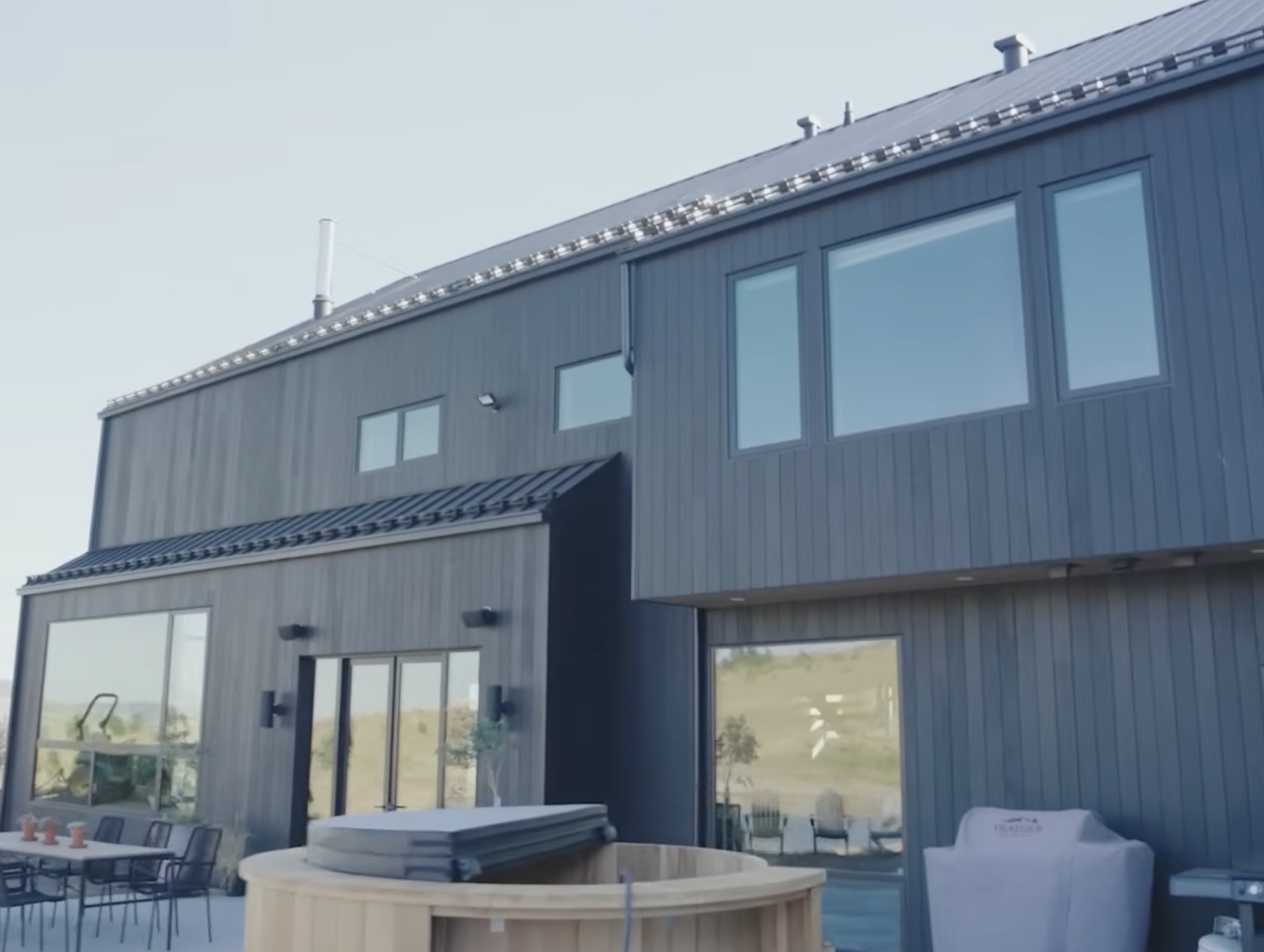
Exterior: charred wood, black. Purely aesthetic. The only decision in the house that isn't load-bearing.
The HVAC Room
Built in partnership with Laser, a local HVAC company. MERV filters catch ~99.9% of viruses and particulate matter, plus a built-in air scrubber that uses ozone and UVC to kill anything accumulating in the ducts themselves. Fans run 15 minutes per hour — no reason to run them continuously.
Room-level filtration is handled by standalone Jasper scrubbers. Cooking is the silent offender: PM2.5 readings jump past 400 in the kitchen when dinner's going, because most hood vents sit too far above the cooktop to pull everything. During the first month after moving in, Ben ran four Jaspers on turbo mode to handle leftover construction dust and the slow off-gassing from even "low-VOC" paint. Wildfire season, same play.
The Water Room
A 14-stage Ophora whole-house reverse osmosis system. RO strips everything, minerals included, so the water runs through a remineralization stage (mineral salts that also soften the water), then an oxygenation stage that pushes every glass to 40ppm oxygen.
Ben retrofitted an inline filter called an Analemma — water passes through beads and minerals that structure it, roughly mimicking what happens when water tumbles through an underground spring. The kitchen tap gets an additional structuring pass from A4 Water Technology. Two different forms of structured water, depending which tap you pull from.
The Kitchen
- CookwareFrom Our Place — non-stick, non-toxic.
- SpatulasLow-BPA silicone or wood only. Anything touching hot food.
- Cutting boardsWood. All plastic is gone, and silicone's out too — once a blade touches silicone, it starts shedding.
- BlenderBeast — metal blade, minimal plastic. Nutribullets retired.
- FridgeRed bulbs inside, Wi-Fi disabled on the unit itself. Contents: Primal Kitchen dressings, whatever Ben's wife is currently fermenting, grass-fed meat, basic vegetables.
- Travel drawerIvermectin and fenbendazole for travel, melatonin, DHA, peptide syringes.
The Laundry Room
A Simply O3 ozone generator built directly into the washer. Washers are notoriously mold-friendly; ozonation kills the cycle before it starts. Cleaning supplies come from Branch Basics, plus a lot of vinegar and Steve's essential oils. No conventional laundry detergent anywhere in the house.
The Living Room
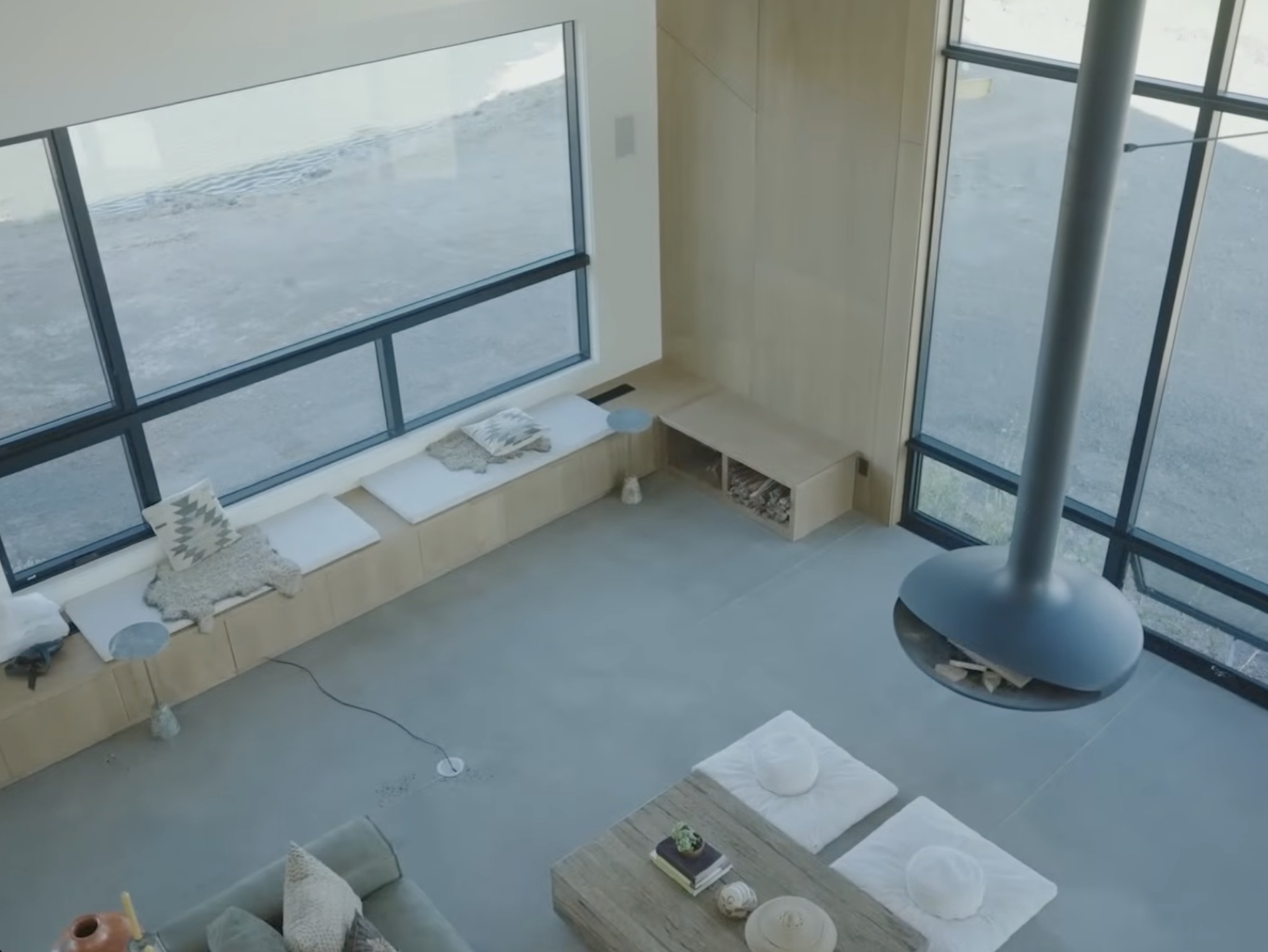
Where the lighting system actually shows off. Three modes, controlled by how many times you flip the switch.
- 1Full spectrumDaytime. Bulbs engineered to mimic sunlight, blue light included.
- 2Evening modeSecond flip. All blue stripped out.
- 3TwilightThird flip. Dim, warm, lowest register.
The whole setup is from Block Blue Light. Philips Hue was the obvious pick, but it runs on Wi-Fi — more dirty EMF than Ben wanted baked into the walls. Block Blue Light runs hardwired.
The living room also gets incandescent bulbs on a separate switch, because incandescent plus overhead full-spectrum is the closest you get to actual sunlight indoors. Incandescent is a power hog, so it's only installed where it gets the most use.
The Office
This room breaks the rules on purpose. The window here is not shielded with EMF-blocking film, because Ben takes phone calls in here and filmed glass blocks incoming cell signal. Every other room's windows get the treatment; this one doesn't.
Under the desk: a hardwired ethernet cable with a USB-C adapter. Every room in the house has a hidden ethernet port, and the floor has embedded power-and-data boxes for when guests want to plug in. Sonos and Spotify both run through ethernet. No Bluetooth. No Wi-Fi.
For EMF mitigation around high-load equipment: a Somavedic on the desk, a larger WaveGuard unit behind the computer. Both use copper-based conductive tech designed to blunt the body's sympathetic response to ambient EMF. Preliminary research, but trending in the right direction.
The Gym
Cork floors. Every outlet in the room shielded for dirty electricity. The cables on the Power Plate vibration platform and the smart rowing machine were swapped for shielded versions — the Power Plate used to throw noticeable EMF at the outlet; now it doesn't. The rower runs on ethernet, not Wi-Fi.
The centerpieces: a psychedelic light stimulator capable of inducing a mild seizure, an ARX-style resistance machine that fights back against a two-horsepower motor and requires a seatbelt, and a full-body red-light therapy chamber — $150,000. Used three times a week. "No reason to use it every day," Ben says. He's a dad, not a professional tube-dweller.
The Bedroom
If you only perfect one room, Ben says make it this one.
- MattressSamina — no springs, wood slats that align with joints and biomechanics, 100% organic wool topper that regulates temperature naturally.
- PEMF matPure Wave — Tranquility mode at sleep onset, Vitality mode during the last 20 minutes of snooze in the morning. 'Earthing on steroids.'
- WindowsEMF-blocking film and blackout shades. The walls, fabric, and glass are all shielded.
- WiringEverything behind the bed is Cat 7 or Cat 8 ethernet, metal-shielded, running through conduit. Sleep with your head six inches from the wall and the wiring is essentially silent.
- LightingDimmer switch for mood (compromise — dimmers always leak slightly more EMF than non-dimmers), plus a reading light that's pure red. Just red. No cycling through settings.
What's Actually Worth Stealing
Most people will never build a house like this. Doesn't matter — Ben's framework collapses into five variables. Any of them can be upgraded this weekend.
- 1Air. A good standalone HEPA scrubber in the kitchen, bedroom, and wherever you work. Jasper's the pick if you're spending.
- 2Water. Filter all of it, not just what you drink. RO plus remineralization is the gold standard.
- 3Light. Full-spectrum bulbs during the day, blue-blocked bulbs at night. Red for reading.
- 4Electricity. Ethernet where you can. Turn off Wi-Fi on devices that don't need it (fridges, washing machines, rowers). Shielded cables on anything that runs constantly.
- 5Toxins. Non-toxic cookware, wood cutting boards, no plastic around food, no synthetic fragrance in cleaning products.
The Part That Actually Matters
Here's the thing most people miss touring a house like this: the longevity story isn't the infrastructure.
Strong, reliable relationships add 7 to 15 years to a lifespan. That's a bigger number than any single intervention in the house. And that's the real reason Ben built it — as a physical center of gravity for his family to gather, for generations. The crest, the constitution, the morning meetings, the open door every other week: those compound harder than any red-light panel.
A healthy home makes healthy people. Healthy people make healthy families. The tech is scaffolding. The people are the house.
Original video
North Idaho house, water room, gym, bedroom, and family systems tour
The source tour is embedded here for context; original credit and the YouTube page are linked below.
Compound commentary and curation. Original video, facility tour, and source imagery by Wellness Daddy and Ben Greenfield Life.
More Builds:
All Builds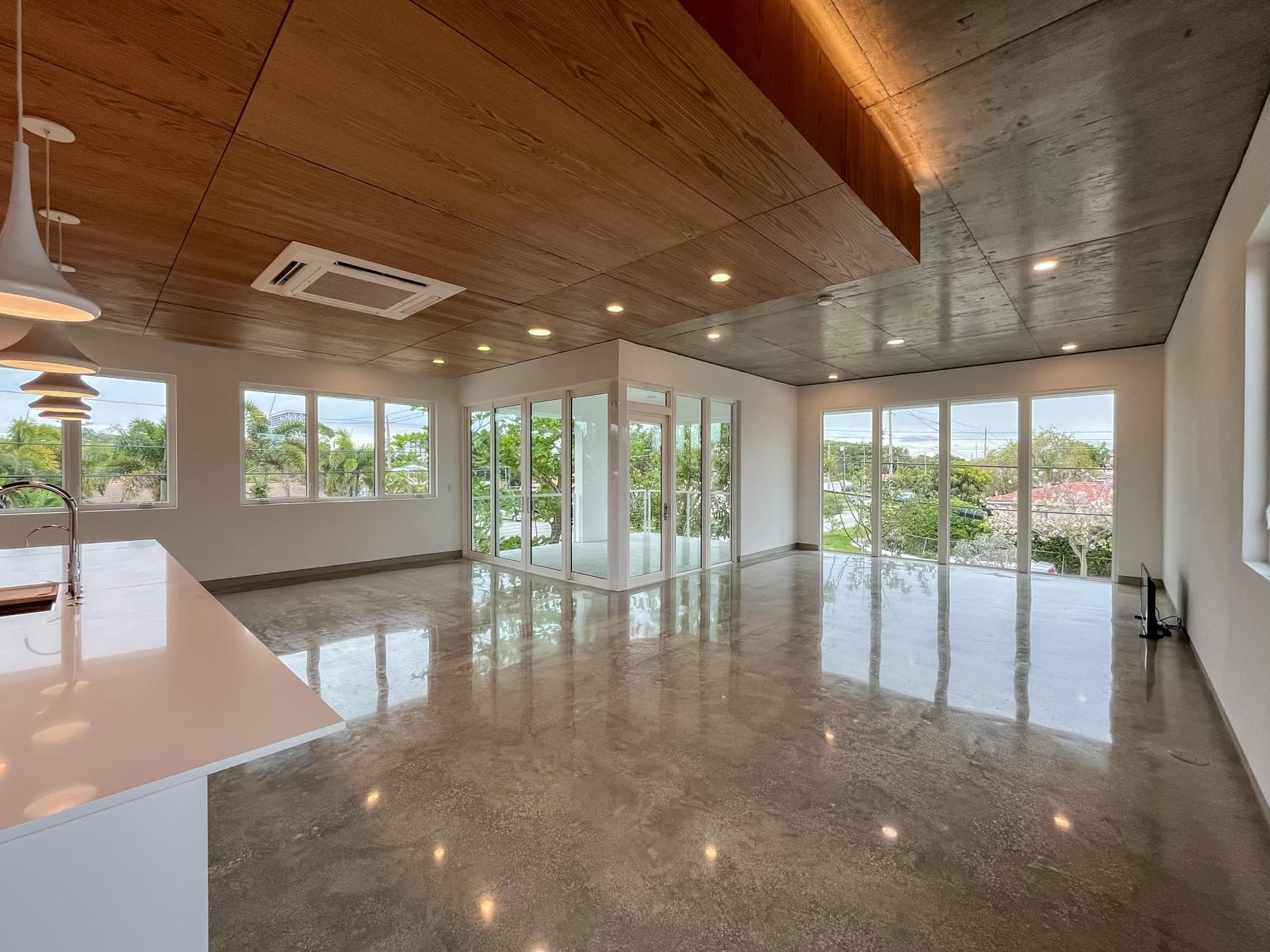
The Miami Home That Became the World's First WELL Residence
The first house on earth certified under WELL's residential standard — built in Miami with no drywall, no AC ducts, and every pipe reachable behind removable formaldehyde-free oak panels, on columns ten feet above a flood-prone city.
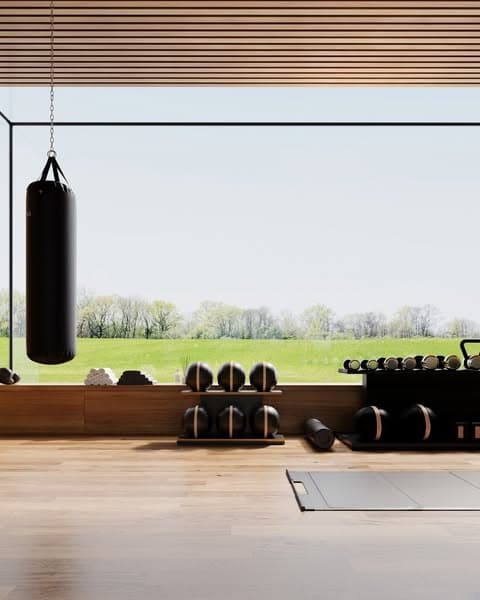
A Modern English Countryside Gym
A luxe home gym at a modern estate in the English countryside, designed by Sportova — warm oak slats wrapping the walls and ceiling, a full wall of glass onto rolling green, and sculptural weights and yoga equipment by PENT.

Greg LaVecchia's Custom Gym and Training Property in Austin
A custom green-and-leather home gym from the founder of Bloom Nutrition, backed by a wood-burning backyard sauna, a cold plunge, a recovery room with red light and hyperbaric oxygen, and three central Austin lots stitched into a private park.